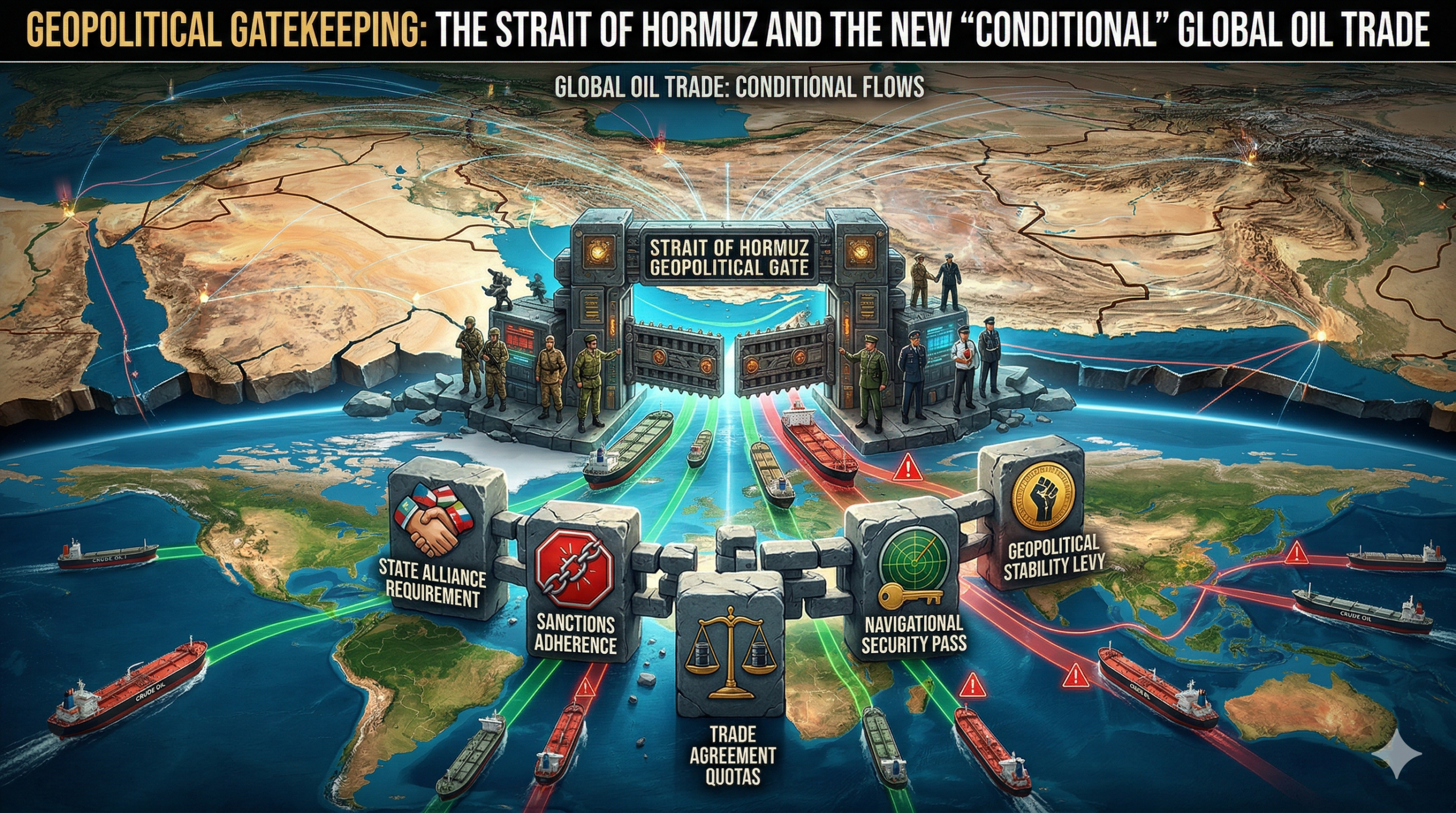

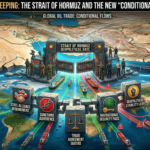





The recent phone call between Prime Minister Narendra Modi and US President Donald Trump highlights a critical moment in the ongoing Middle East conflict. With global energy security at stake, the conversation focused heavily on the Strait of Hormuz, a vital maritime artery that has been effectively throttled since the outbreak of hostilities on February 28, 2026.
Here is a breakdown of the key developments and why this matters for India and the global economy.
📞 A High-Stakes Conversation
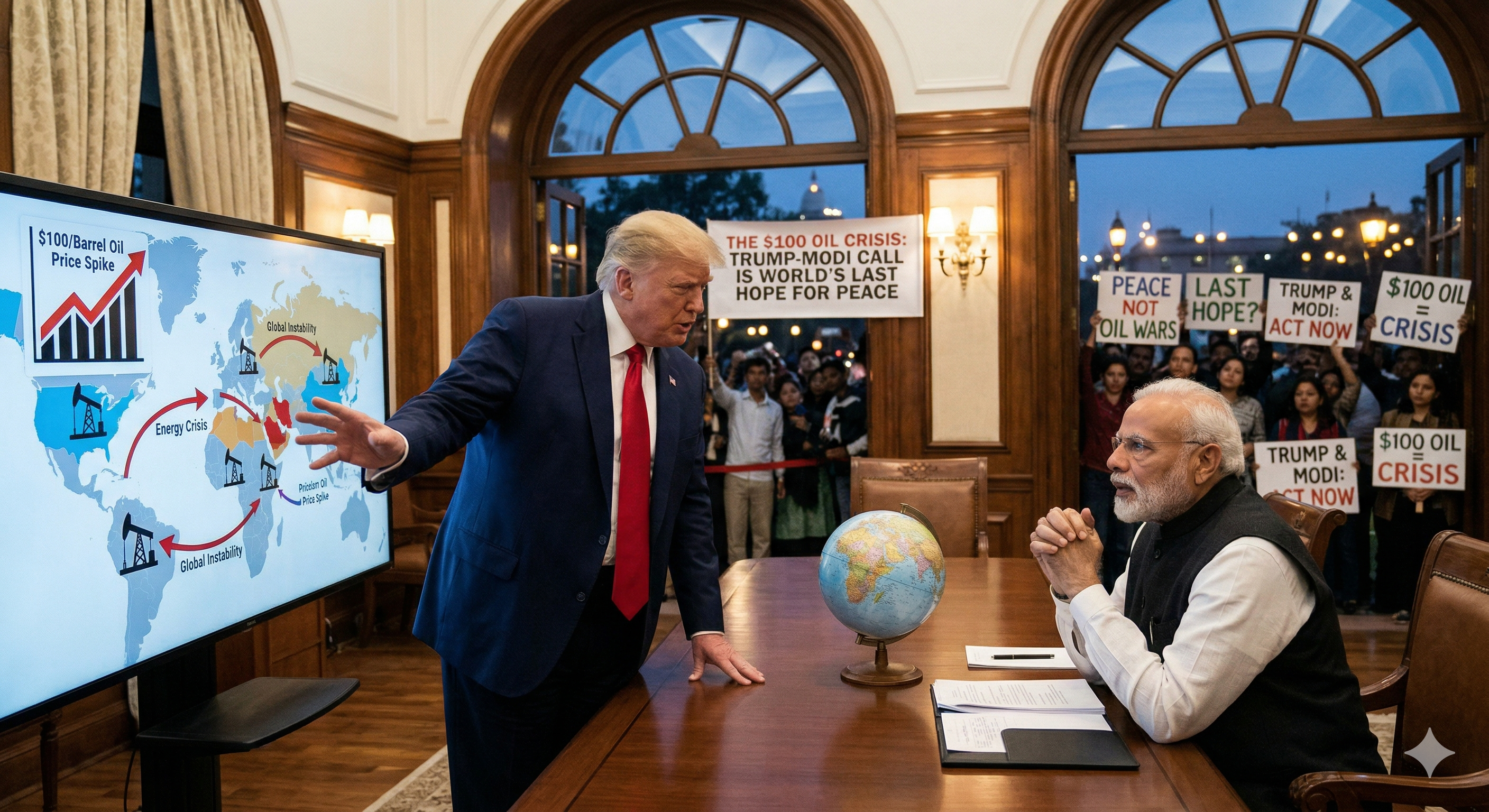
On Tuesday evening, March 24, 2026, President Trump initiated his first call with PM Modi since the start of the US-Israel war on Iran. The primary objective was to coordinate on regional stability and ensure the “free movement” of energy supplies.
- India’s Stance: PM Modi emphasized that a secure and open Strait of Hormuz is essential for the world. He advocated for immediate de-escalation and a return to diplomacy.
- The Trump Initiative: The call follows Trump’s announcement of a five-day pause on planned military strikes against Iranian infrastructure, citing “productive conversations” aimed at a total resolution—though Tehran has officially denied these talks.
⛽ The Energy Crisis & India’s Interest
The conflict has sent shockwaves through the energy market, pushing Brent crude prices past the $100 mark (peaking near $120 earlier this month). As the world’s third-largest energy consumer, India is uniquely vulnerable:
| Metric | Pre-War Status | Current Situation |
| Global Oil Flow | ~20-25 million barrels/day through Hormuz | Effectively halted; only limited escorted transits |
| India’s Dependency | ~40% of imports from Gulf nations | Supply chains for fuel, gas, and fertilizers disrupted |
| Price Impact | Brent ~ $70/barrel | Brent surged 70% in 24 days; currently it’s ~$103. |
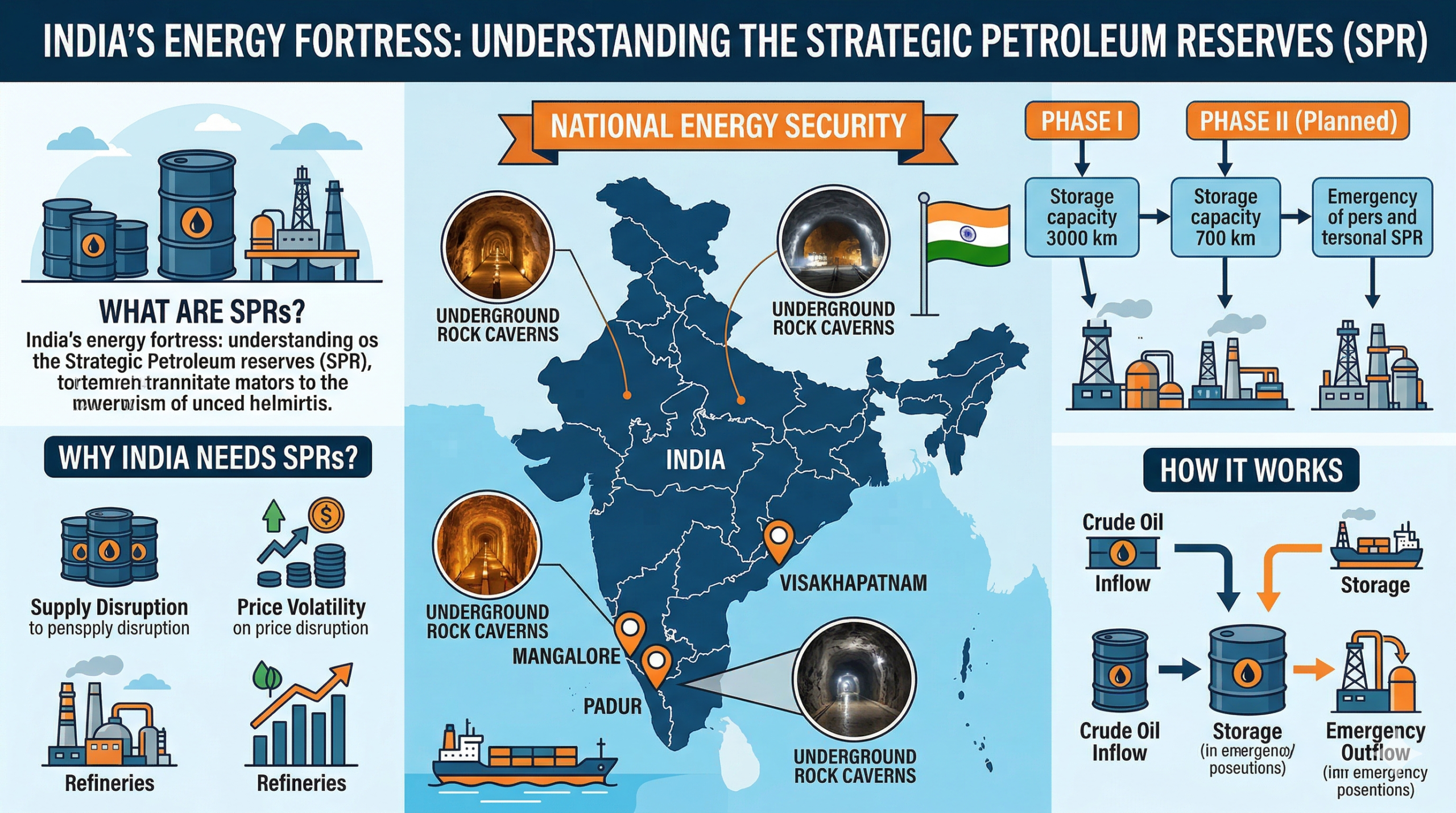
India’s Strategic Response: While the prime minister acknowledged a “severe energy crisis” in Parliament, he assured the nation that India maintains a strategic reserve of approximately 3.372 million tons of crude, alongside refined product stocks to weather the immediate storm.
🚢 The “Chokepoint” Warfare
The war has shifted from early drone-led “attrition warfare” to a direct battle over economic chokepoints.
- Asymmetric Tactics: Iran’s use of mass-produced Shahed drones has forced defenders to use multi-million dollar interceptors, a lopsided economic battle.
- Maritime Blockade: Iran’s geographic control over the narrow Strait of Hormuz has turned it into a de facto blockade. On Tuesday, two Indian-flagged LPG vessels were able to transit only under the direct escort of Indian warships.
What’s Next?
The next five days are critical. If Trump’s “window for talks” closes without a breakthrough, he has threatened to target Iranian power plants—an escalation that could lead to a permanent closure of the Strait and even higher global inflation. India is positioned to play a “direct” role in any potential peace talks, given its strong ties with all parties involved.