

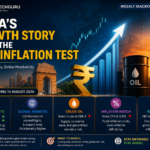

While the global economy battles a “higher for longer” interest rate hangover, India is navigating a unique “Goldilocks” phase. As of January 18, 2026, the data tells a story of divergence: official inflation remains ultra-low, but consumer perception and operational costs tell a different tale.
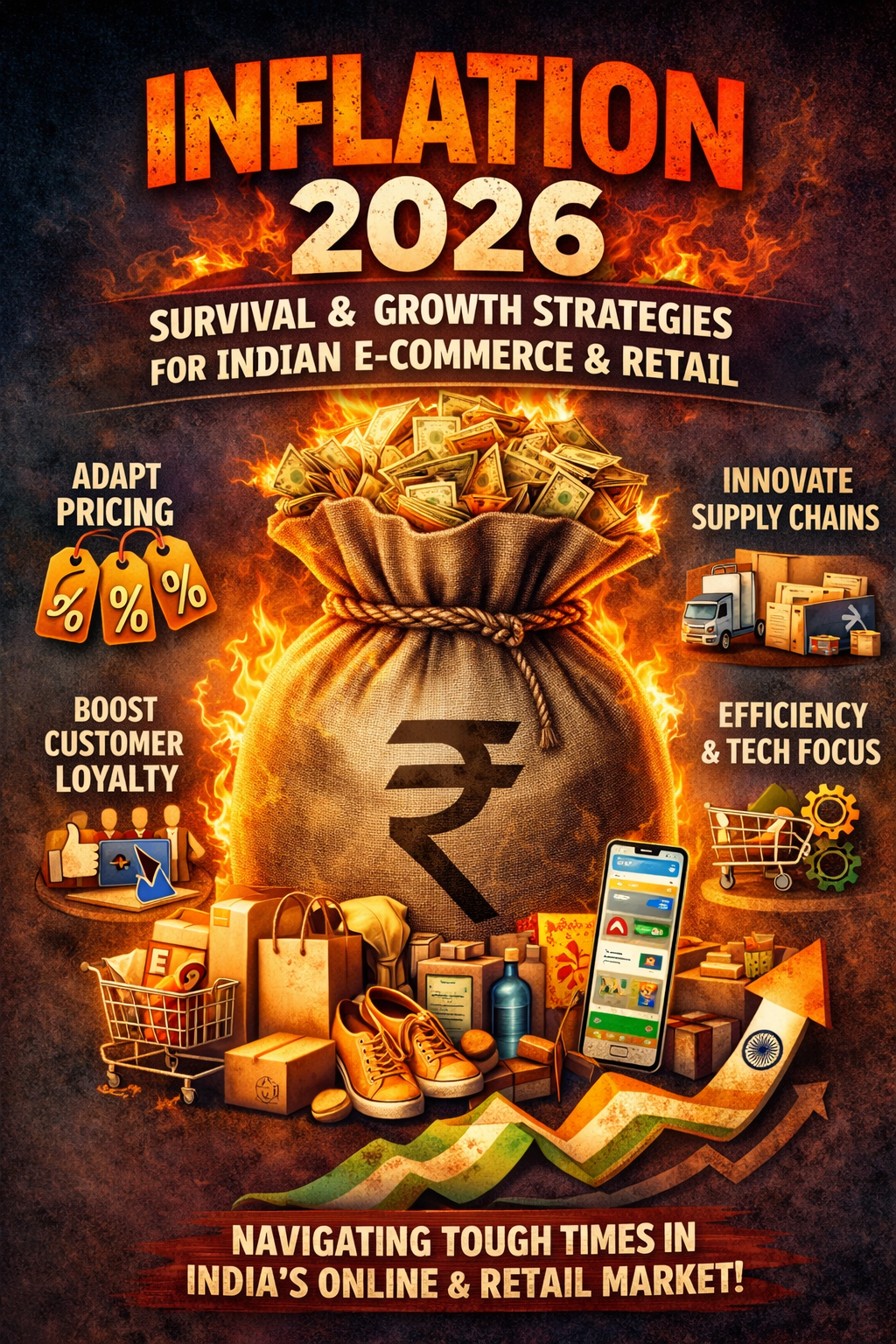
If you’re running a retail brand or an e-commerce marketplace in India today, “business as usual” won’t cut it. Here is your 2026 inflation playbook.
📊 The 2026 Data Snapshot: India at a Glance
Before diving into strategy, let’s look at the numbers released this month:
- Retail Inflation (CPI): 1.33% (Dec 2025 data). While this is well below the RBI’s 4% target, it’s a slight “normalization” from the record lows of late 2025.
- Wholesale Inflation (WPI): 0.83%. Rising input costs in manufacturing and textiles suggest that “factory gate” prices are starting to creep up.
- Household Inflation Expectation: 7.6%. Despite the 1.33% headline number, the average Indian household feels like prices are rising much faster, leading to cautious discretionary spending.
- Repo Rate: 5.25%. The RBI has cut rates by 125 bps over the last year, providing a much-needed cushion for credit-led consumption.
💡 Top 3 Strategies for E-commerce & Retailers
1. Master the “Value-Seeking” Mindset
The 2026 consumer is highly optimistic but ruthlessly value-conscious. According to recent reports, 60% of Indian households plan to increase spending, but they are “trading down” to private labels or waiting for deep-discount events.
- Action: Expand your private label portfolio. With WPI edging up, owning the supply chain allows you to offer “premium-feel” goods at 20–30% lower prices than national brands.
- The “Jewellery” Exception: Interestingly, high-ticket discretionary items like jewellery remain resilient. If you are in luxury, lean into “investment value” messaging.
2. Solve the “Quick Commerce” Margin Crisis
India’s 10-minute delivery model is currently under extreme pressure. Rising rider protests and fuel costs (even with softening crude) are making the “speed-at-all-costs” model unsustainable.
- Action: Shift from Speed to Precision. Instead of promising 10-minute delivery everywhere, use AI-driven demand forecasting to offer “scheduled hyper-local” windows. This reduces “empty miles” for riders and improves your unit economics.
- Tech Play: Retailers using AI for inventory placement are seeing a 15% lift in margins by reducing RTO (Return to Origin) rates.
3. Hyper-Personalization via GST Rationalization
The recent GST rate cuts (September 2025) have finally trickled down to the consumer. This has left an estimated ₹1.5 trillion in extra disposable savings across Indian households.
- Action: Use predictive analytics to target the “GST windfall.” Consumers now have more “pocket money” for mid-tier electronics and apparel.
- Strategy: Don’t just run a blanket sale. Use the data to offer personalized “bundle deals” that bridge the gap between essentials (which have negative inflation) and discretionary goods.
🏗️ The 2026 Growth Map: Tier II & III Cities
The real story of 2026 isn’t Mumbai or Bengaluru—it’s the “Hinterland Surge.” Rural demand is currently outperforming urban markets due to exceptionally soft food prices, leaving rural consumers with more cash for non-food items.
Pro-Tip: If your e-commerce strategy doesn’t include vernacular interfaces and voice search optimized for Tier III cities, you are leaving 40% of your potential 2026 growth on the table.
🏁 Final Thought
Inflation in India for 2026 is a “Perception Game.” While the macro numbers are low, your customers are still cautious. Success this year belongs to the brands that can prove their value—not just through price cuts, but through reliability and local relevance.