





Strategic Heart of Global LNG Hit: What the Ras Laffan Attacks Mean
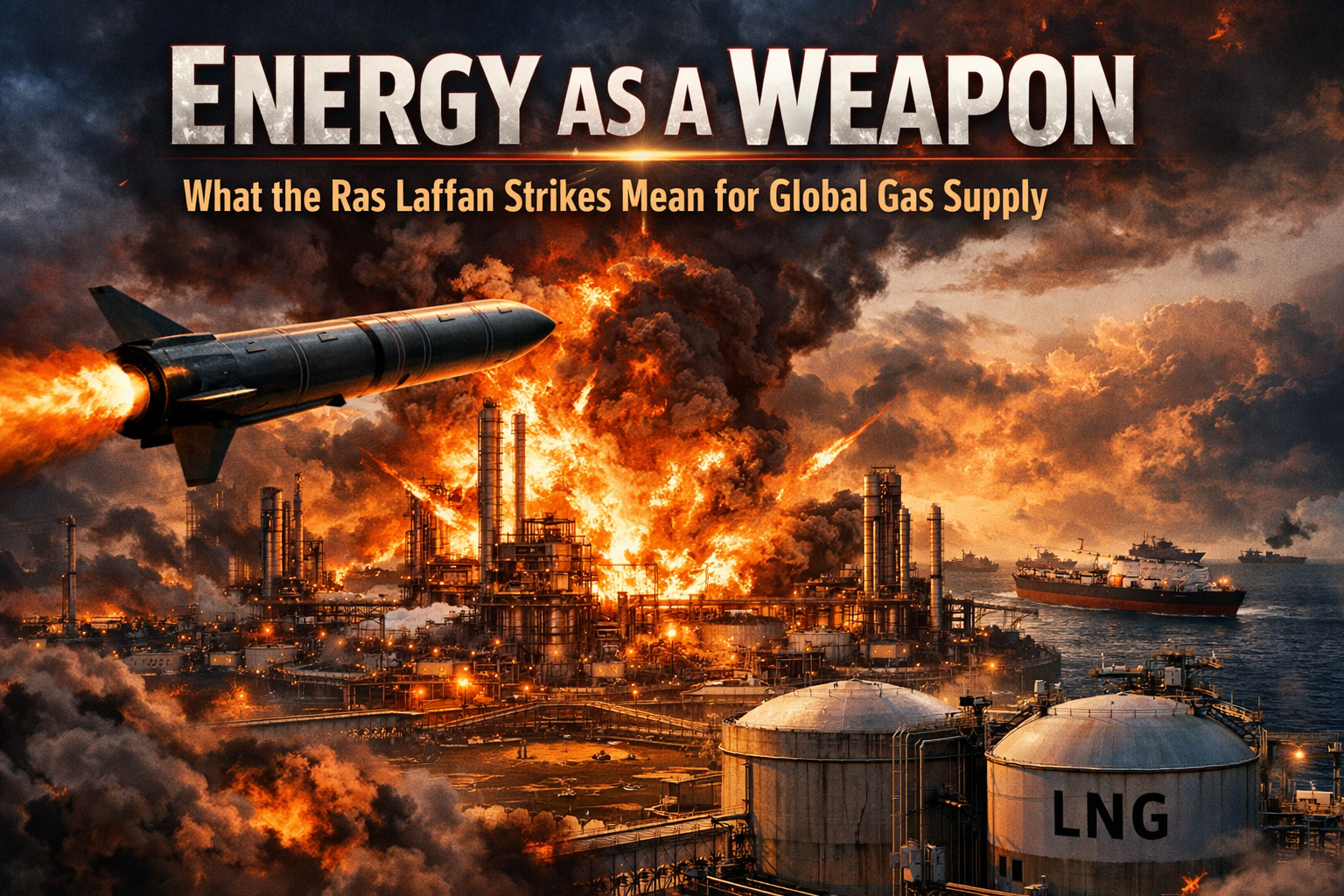
On Wednesday, the geopolitical landscape of the Middle East took a sharp, volatile turn. Qatar’s state-owned energy giant, QatarEnergy, confirmed that its flagship facility, Ras Laffan Industrial City, sustained significant damage following a series of Iranian missile strikes.
A Targeted Campaign
The strikes were not unexpected, yet their scale is jarring. Earlier in the day, Iranian state media issued evacuation warnings for several high-value energy targets across the UAE, Saudi Arabia, and Qatar. Qatar responded by proactively moving personnel out of harm’s way—a move that likely prevented a loss of life, as the company confirms all staff are accounted for.
Sovereignty and Security
The Qatari Foreign Ministry has not minced words, labeling the attack a “direct threat to national security.” The strike on Ras Laffan—located just 80 km north of Doha—represents a massive breach of sovereignty and an attempt to leverage the global energy supply chain as a bargaining chip in the ongoing conflict involving Israel and the United States.
The Broader Fallout
This isn’t the first disruption this month. On March 2, production was briefly suspended following previous hostilities. However, the “extensive damage” reported in this latest wave suggests a much longer road to recovery for the facility.
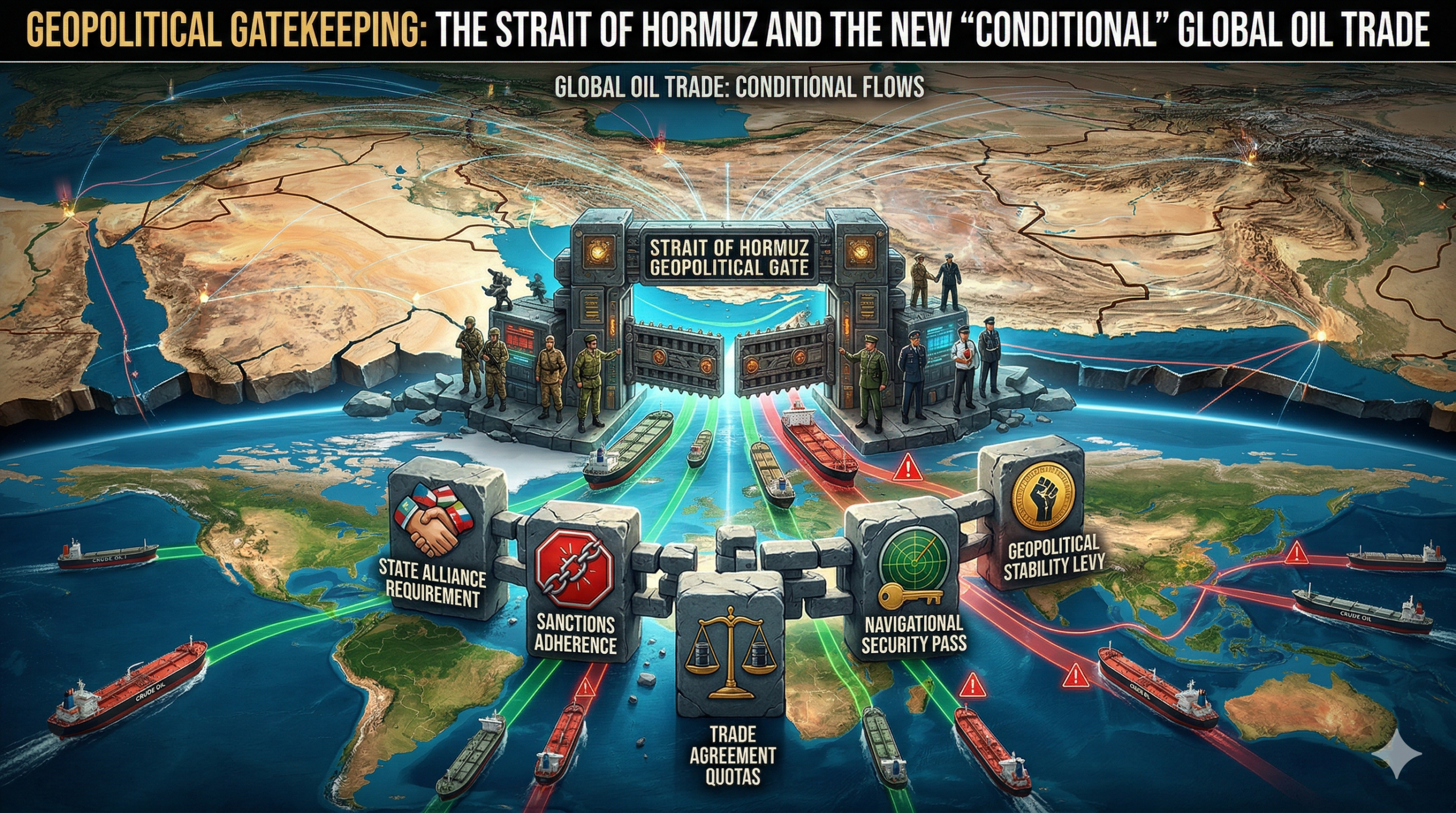
As the primary hub for Qatar’s LNG exports, the stability of Ras Laffan is vital for heating homes and powering industries from Europe to Asia. With other facilities like Saudi Arabia’s Samref Refinery and the UAE’s Al Hosn gas field also on Iran’s “target list,” the energy sector is entering a period of unprecedented uncertainty.