




Tuesday, April 14, 2026
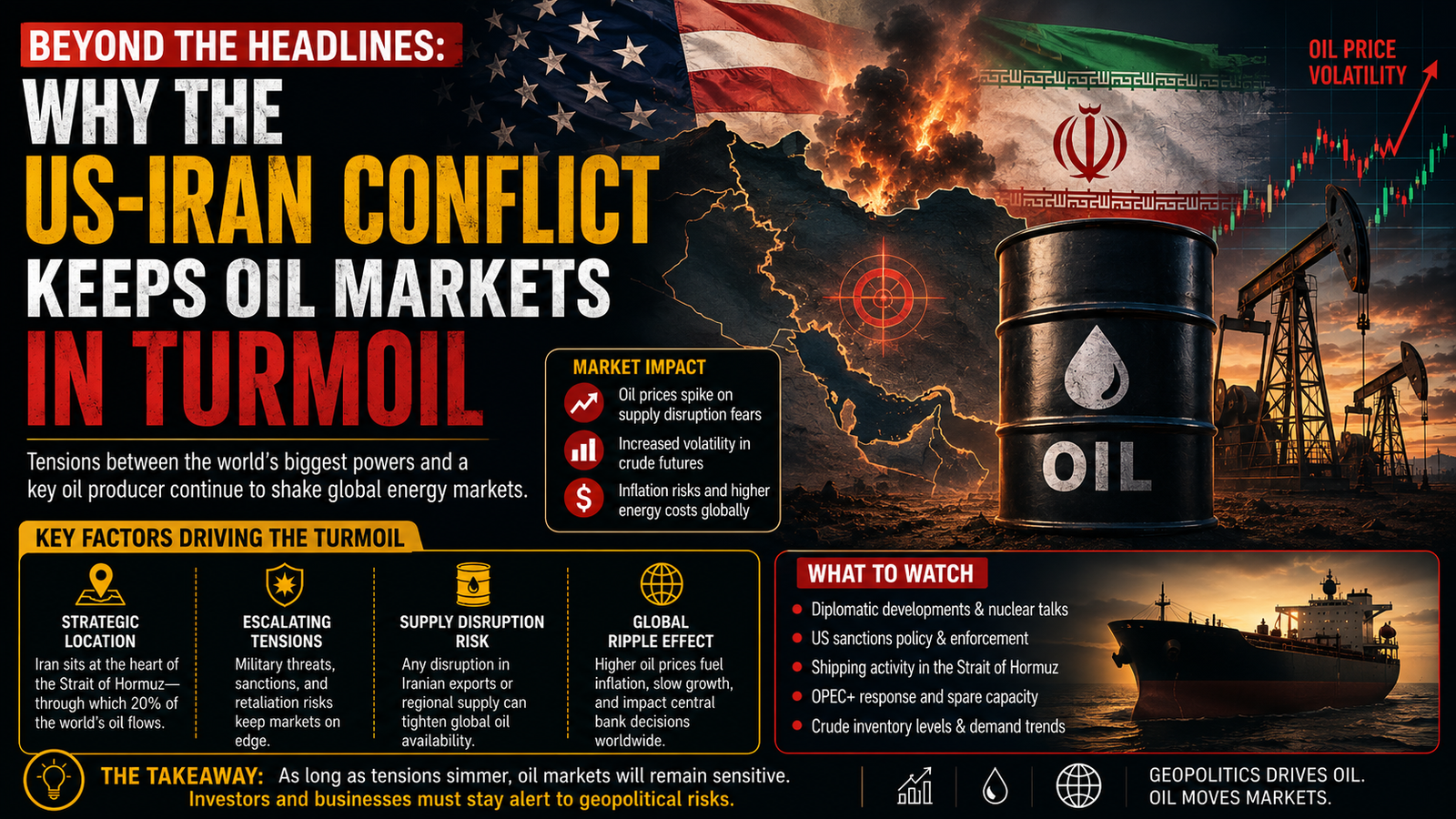
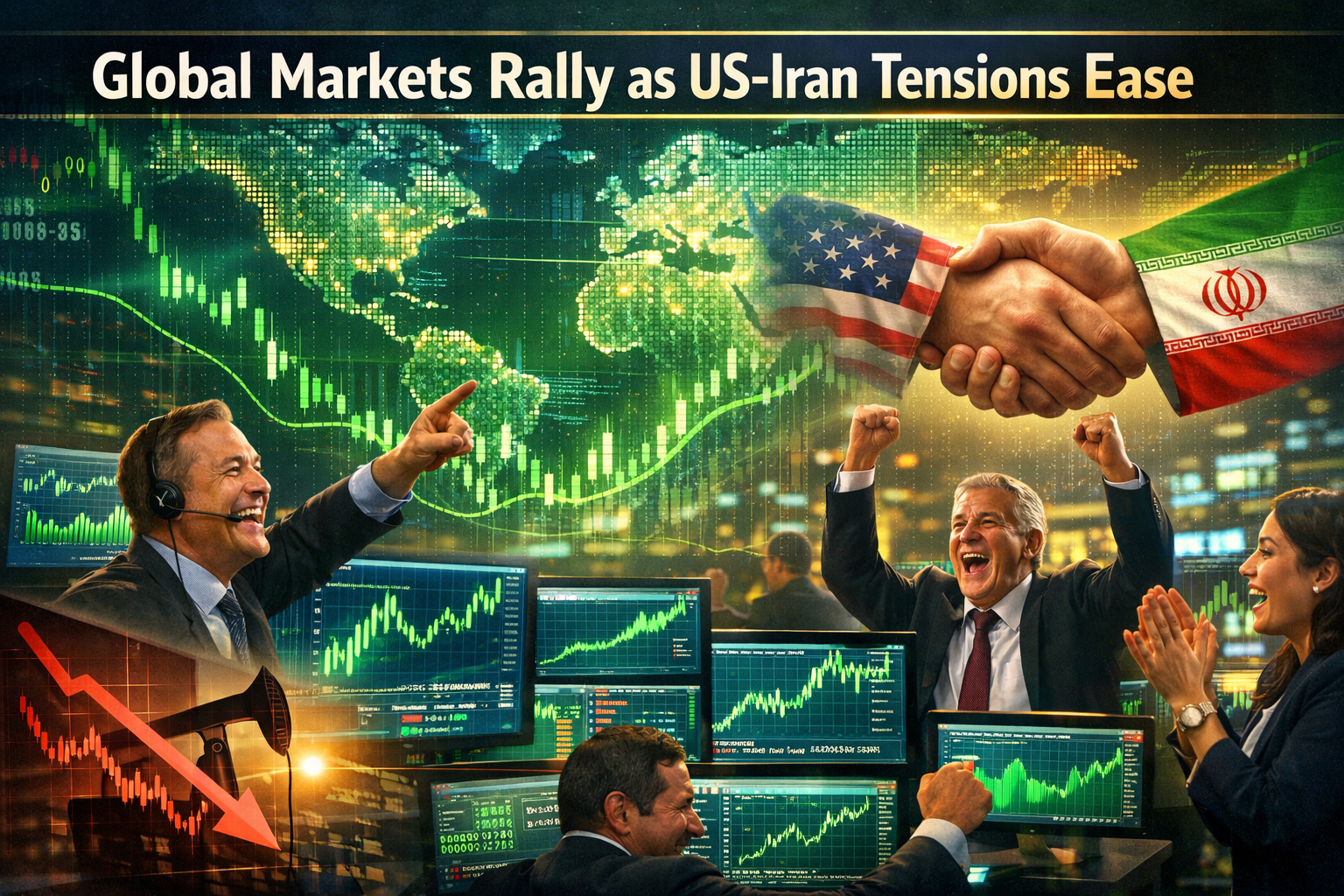
Financial markets kicked off the Asian trading session on an optimistic note Tuesday, as renewed diplomatic signals between Washington and Tehran gave investors enough reason to move away from defensive positions—even as a full resolution remains elusive.
Equities Rally on Diplomatic Glimmers
Asian bourses were among the biggest beneficiaries of the improving mood. The MSCI Asia-Pacific index (excluding Japan) climbed 1%, while both the Nikkei and South Korea’s KOSPI surged more than 2% each—a notable show of confidence given the fragile geopolitical backdrop.
On the futures front, Nasdaq contracts edged up 0.13%, S&P 500 futures steadied after a solid Wall Street session, and European markets looked set to join the party with EUROSTOXX 50 and DAX futures rising 0.63% and 0.77%, respectively.
Saxo’s Chief Investment Strategist Charu Chanana captured the market mood succinctly: “Markets are trading hope, not resolution.” The weekend’s failed peace talks may not have produced a deal, but they didn’t shut the door either—and for now, that’s proving sufficient to keep risk appetite alive.
Washington and Tehran: Cautious Back-Channel Contact
Despite the collapse of formal negotiations over the weekend, both sides appear to be keeping informal lines of communication open. U.S. officials indicated there is “forward motion” in efforts to reach a framework agreement, and President Donald Trump publicly claimed Iran had reached out Monday morning expressing willingness to negotiate.
At the same time, the U.S. military has initiated a blockade of Iranian ports—a calculated pressure tactic short of direct military engagement. Trump warned that Iranian vessels approaching the blockade zone would face severe consequences while also blocking third-party ships from paying Iranian port tolls.
Market analyst Tony Sycamore of IG noted the strategic logic: “The U.S. forced the onus back on Iran to reopen the Strait without needing boots on the ground. It’s pushed Tehran back to the drawing board.”
Oil Pulls Back, But Caution Remains
Crude oil markets reacted sharply to the diplomatic thaw. Brent crude dropped 2.7% to $96.66 per barrel, while U.S. crude fell 3% to $96.13, as traders priced in a lower probability of a full-blown supply disruption.
That said, with a U.S. blockade active and the Strait of Hormuz still in question, energy markets remain one headline away from reversing course.
Dollar Retreats as Risk Appetite Returns
The U.S. dollar slipped to a six-week low, with the DXY index touching 98.328, as investors rotated out of safe-haven assets. The euro held at $1.1764, and the British pound climbed to a six-week high of $1.3514.
Commonwealth Bank of Australia strategist Joseph Capurso offered a note of caution, however. While acknowledging the diplomatic progress, he warned that the global economic outlook continues to deteriorate—and that any reversal in sentiment could quickly send the dollar back up across the board.
Rates, Gold & Crypto
U.S. Treasury yields held relatively steady, with the 2-year at 3.77% and the 10-year benchmark at 4.29%. The sustained energy price surge is reshaping central bank expectations globally, with several major institutions now seen leaning toward rate hikes rather than the cuts many had anticipated before the conflict escalated.
Safe-haven gold climbed 0.7% to $4,771.81 per ounce, while Bitcoin added 1.5% to trade around $74,312—both assets continuing to find buyers even as broader risk sentiment improved.
The Bottom Line
Today’s market moves reflect cautious optimism rather than confidence. Investors are essentially betting that diplomacy will prevail—but with an active military blockade, stalled formal talks, and a weakening global growth outlook, the situation remains highly fluid. One unexpected development could quickly reset the narrative.
Stay tuned for updates as this story develops.
Disclaimer: This blog post is for informational purposes only and does not constitute financial advice.