



With Iran asserting sovereign control over the Strait of Hormuz and Washington maintaining a port blockade, the flow of global energy hangs in a deepening diplomatic stalemate.
April 2026. 8 min read. Energy & Global Affairs
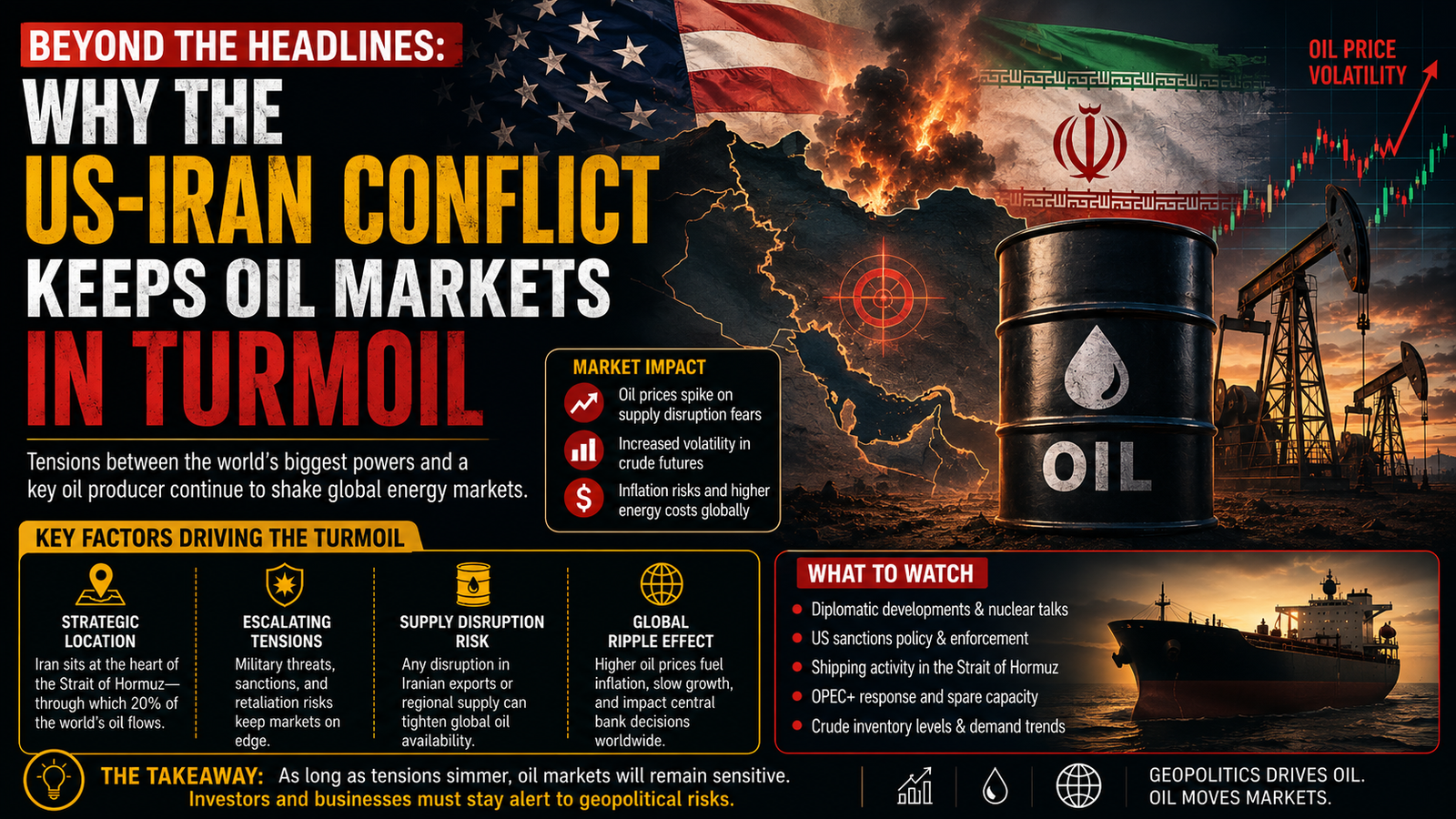
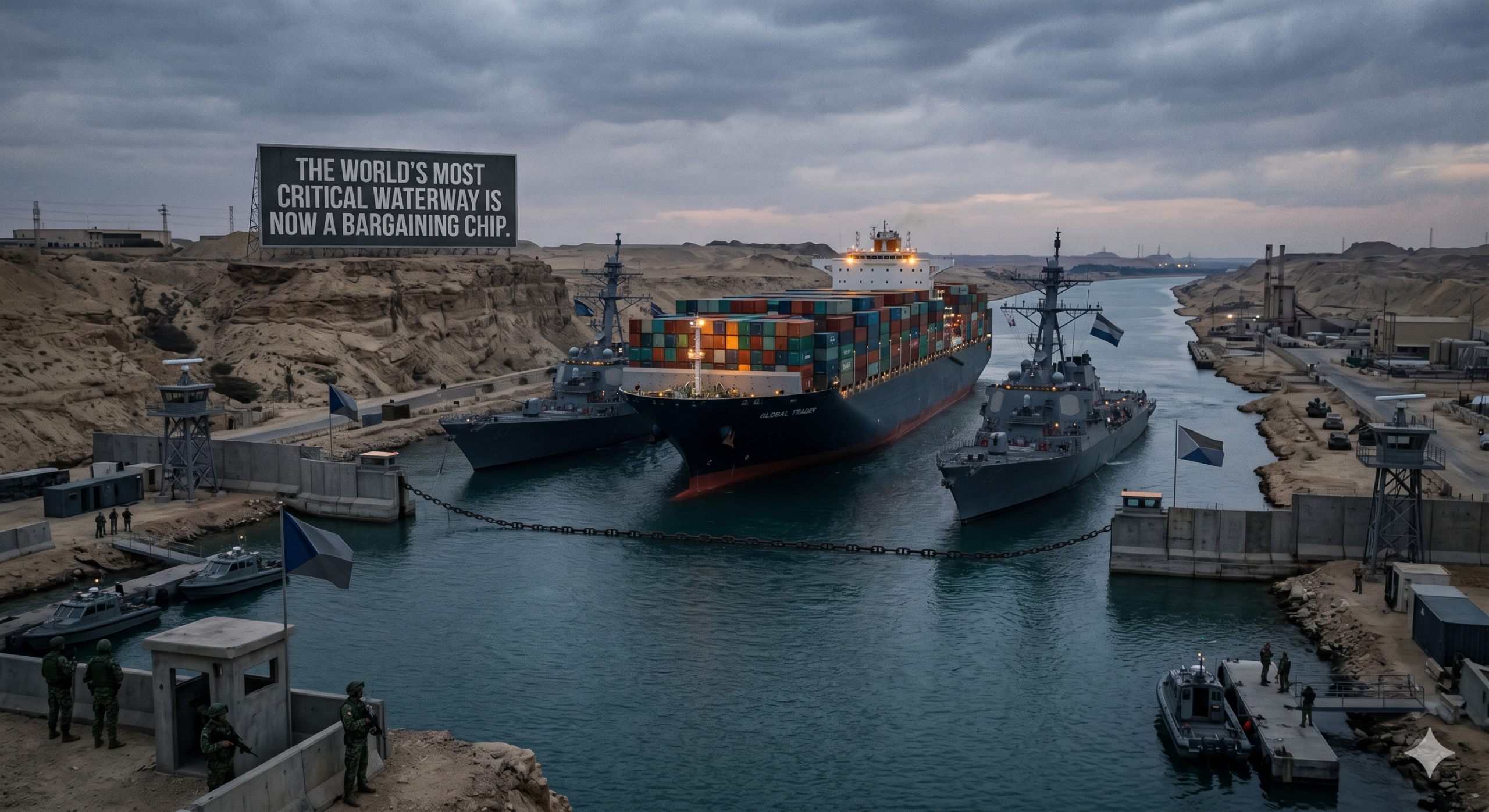
Roughly 20% of the world’s oil and nearly a third of its liquefied natural gas pass through a narrow stretch of water between the Omani coast and Iranian territorial waters. That stretch — the Strait of Hormuz — has always been the most economically consequential chokepoint on earth. This week, it became something else: a weapon in a rapidly escalating confrontation between Tehran and Washington.
Situation at a Glance
▸At least five LNG tankers from Qatar reversed course or slowed to a halt near the strait’s western approach.
▸Iran’s Revolutionary Guard fired on a tanker; a separate projectile struck a container ship.
▸India summoned Iran’s ambassador after two Indian-flagged merchant vessels came under fire.
▸The US has turned back 23 vessels attempting to reach Iranian ports since its blockade began.
▸A regional ceasefire is approaching expiry, with fresh talks described as stalled.
A Strait by Any Other Name
When an Iranian naval authority reportedly told a commercial vessel attempting to pass through that the waterway would only reopen “by the order of our leader”—and not because of any foreign government’s pressure—the message carried far more than geopolitical subtext. It reflected a long-standing Iranian strategic posture: the strait is not an international commons; it is leverage.
Tehran has historically used the threat of Hormuz closure as a deterrent against Western sanctions, military pressure, or diplomatic isolation. What’s different now is that the threat appears to have shifted from rhetorical to operational. Iran’s joint military command announced the strait would remain under what it called “strict management” for as long as an American-led blockade on Iranian ports continues.
“This is no longer signaling. The economic consequences are already materializing.”
The Diplomatic Contradiction
The confusion surrounding the strait’s status has been as damaging as the physical restrictions themselves. On a Friday, Iran’s Foreign Minister publicly stated that commercial shipping was flowing normally and the strait was open. Within hours, that statement was effectively contradicted by the military, which announced the resumption of “strict” controls. The resulting ambiguity left shipowners and cargo operators in an impossible position.
At least five LNG carriers loaded in Qatar spent more than a month at anchor in the Persian Gulf before ultimately reversing direction as they approached the strait. Warnings broadcast by Iranian authorities to passing vessels compounded the uncertainty. One shipping company reported that gunfire was heard near one of its vessels — a detail that, however unverified in its specifics, accelerated the retreat of commercial traffic.
The American Response and Its Complications
Washington’s blockade on Iranian ports—which US Central Command says has turned back 23 inbound vessels—was framed as economic pressure to force a nuclear or security deal. But it has had a secondary effect: handing Tehran a pretext to close the strait in retaliation, while casting Iran as a victim of American aggression to a domestic and regional audience.
President Trump has stated publicly that the restrictions would continue until a deal were reached. Iran’s Supreme National Security Council countered that the blockade violates the terms of a recent ceasefire agreement and that Tehran would not permit any “conditional or partial” reopening of the strait—the implication being that Hormuz would only fully reopen when American pressure fully ceased.
India in the Crossfire
One underreported dimension of this crisis is the position it puts non-Western nations in. India, which has maintained a studied neutrality between Tehran and Washington, found itself summoning Iran’s ambassador after two Indian-flagged merchant ships reportedly came under fire — with some crew members on India-bound vessels reportedly caught in harm’s way. New Delhi’s response was unusually pointed, describing the incidents as “serious.” It raises a broader question: as the standoff deepens, which third-party nations will be caught in a confrontation they had no hand in creating?
The Ceasefire That May Not Hold
Layered over all of this is a fragile regional ceasefire that is approaching its expiry date. Pakistan’s foreign minister has been actively mediating between Washington and Tehran, and there are indications that further talks could take place. But Iran’s deputy foreign minister has publicly stated that his government sees no basis for a new round of direct negotiations—at least not while American demands remain unchanged.
That leaves the global energy market in a precarious position. Markets have not yet fully priced in a prolonged Hormuz closure, partly because few analysts believe either side truly wants one. But the gap between what both sides say they want and what their actions are producing is narrowing. And in the Strait of Hormuz, that gap is measured in oil tankers.
What to Watch
The next 72 hours will be telling. If the ceasefire expires without a framework for renewal, if Pakistani mediation stalls, or if further firing incidents occur, the economic consequences—already beginning to surface in rerouted LNG shipments and tightening freight markets—could escalate quickly. The strait has been a flashpoint before. What makes this moment different is that both sides have fewer face-saving exits than they have had in previous standoffs.