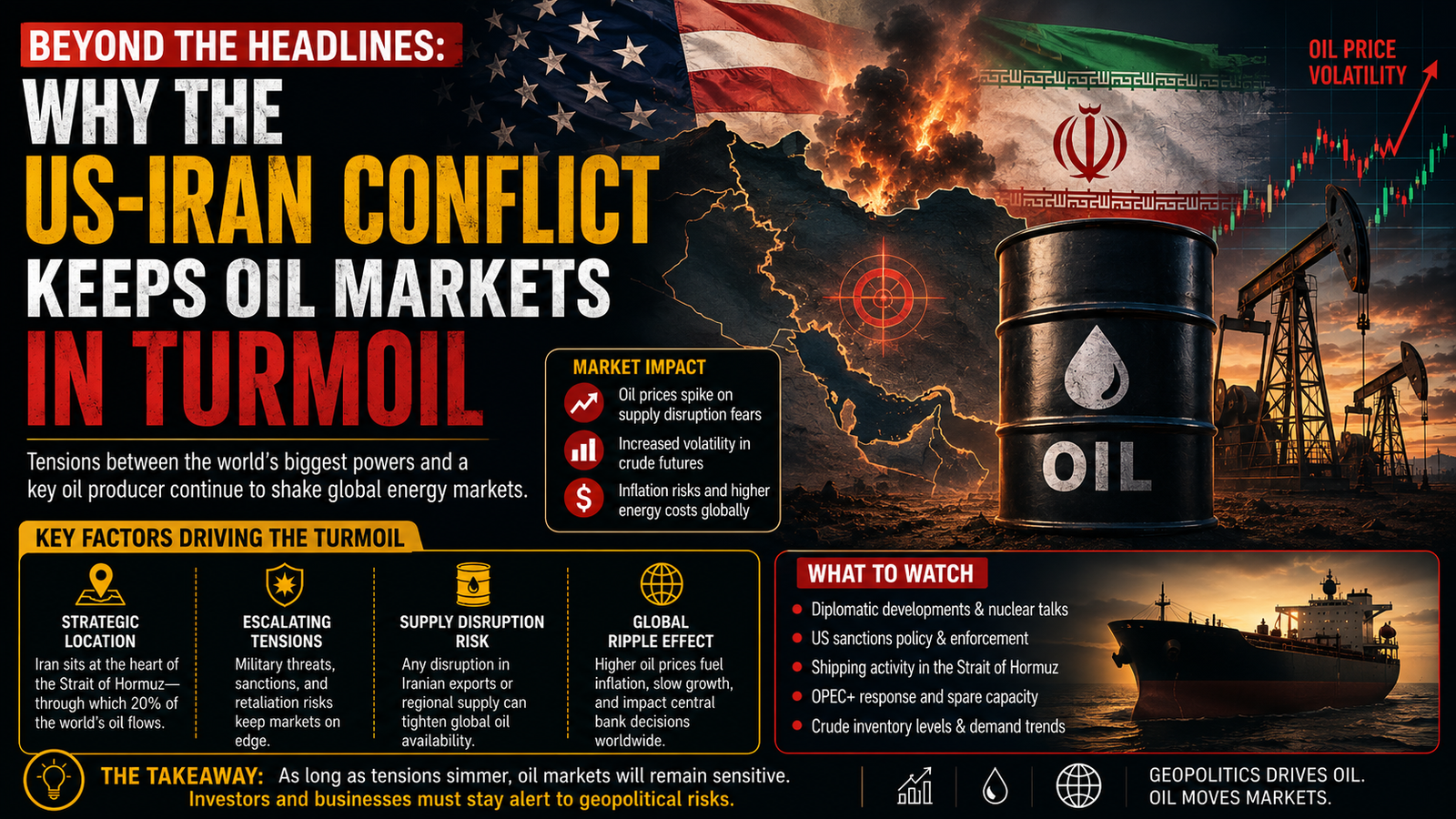





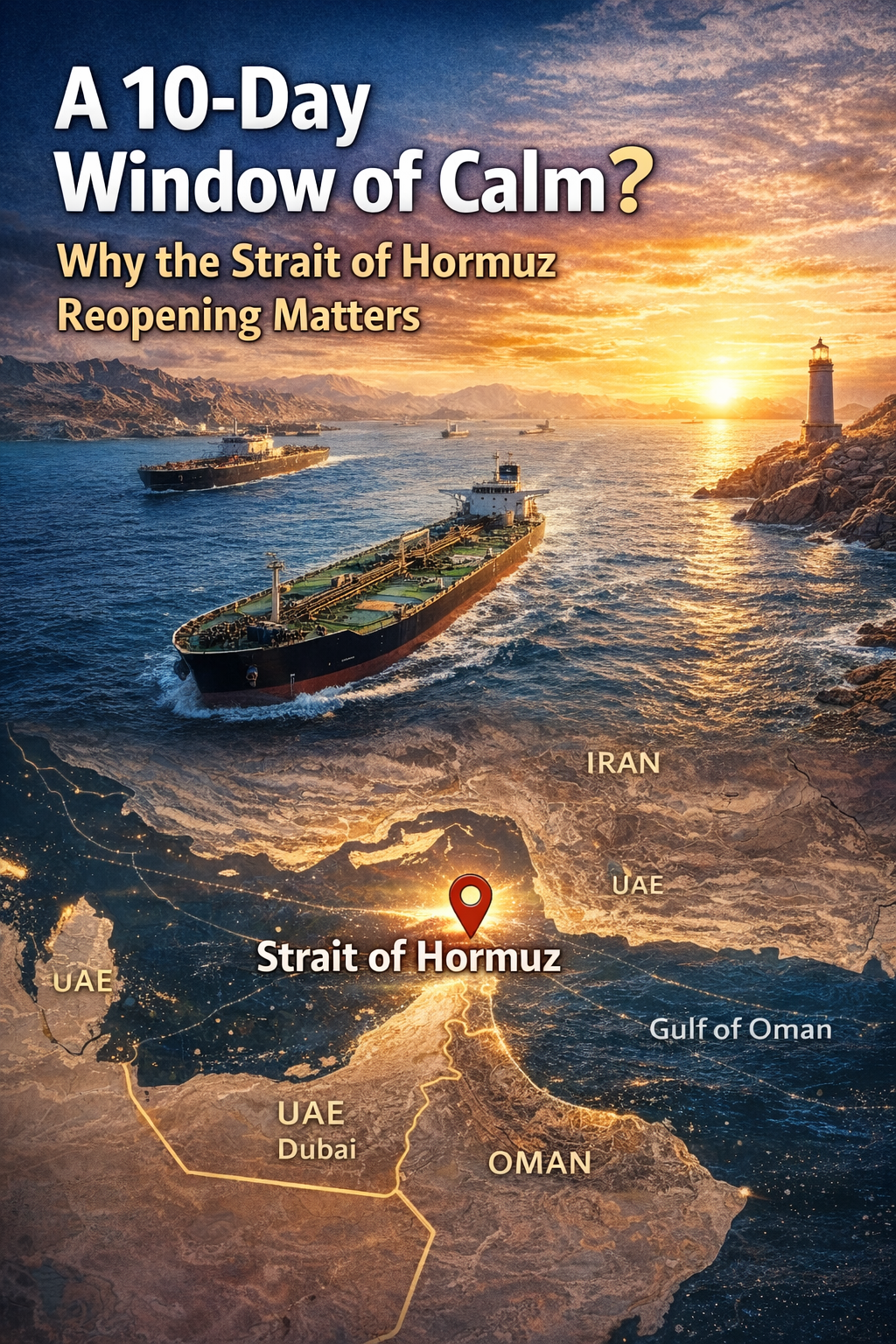
The geopolitical landscape of the Middle East just shifted in a significant—albeit temporary—way. Following the announcement of a 10-day ceasefire between Israel and Lebanon, Iran has officially signaled a “calm seas” policy for one of the world’s most critical maritime chokepoints.
The Strategic Shift
Iranian Foreign Minister Seyed Abbas Araghchi confirmed on Friday that the Strait of Hormuz is now “completely open” for commercial shipping. This move is explicitly tied to the duration of the truce, providing a much-needed breather for global trade routes that have been under constant pressure.
The “Trump Factor”
In a rare moment of diplomatic alignment, U.S. President Donald Trump took to social media to acknowledge the move, offering a succinct “Thank You” to Tehran. This follows Trump’s successful mediation of the 10-day ceasefire, which aims to pause the hostilities between Israel and Lebanon.
Key highlights of the truce include:
- A 10-Day Clock: The ceasefire is short-term but carries the potential for extension based on diplomatic progress.
- High-Level Summits: President Trump has already extended invitations to Israeli PM Benjamin Netanyahu and Lebanese President Joseph Aoun for talks at the White House.
- Security Mandates: While the Lebanese state forces are tasked with internal security, the agreement allows Israel to act in self-defense against imminent threats.
What’s Next?
While the Strait is open for now, the situation remains “fragile.” The international community is watching closely to see if Hezbollah adheres to the restraint urged by Washington. For now, the maritime industry can breathe a sigh of relief, but the long-term stability of the region hinges on what happens at the White House in the coming days.