




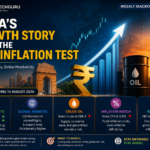



While the crowd rushes for the exit on crude fears and geopolitical noise, history tells a different story. Panic is a price tag, not a verdict.
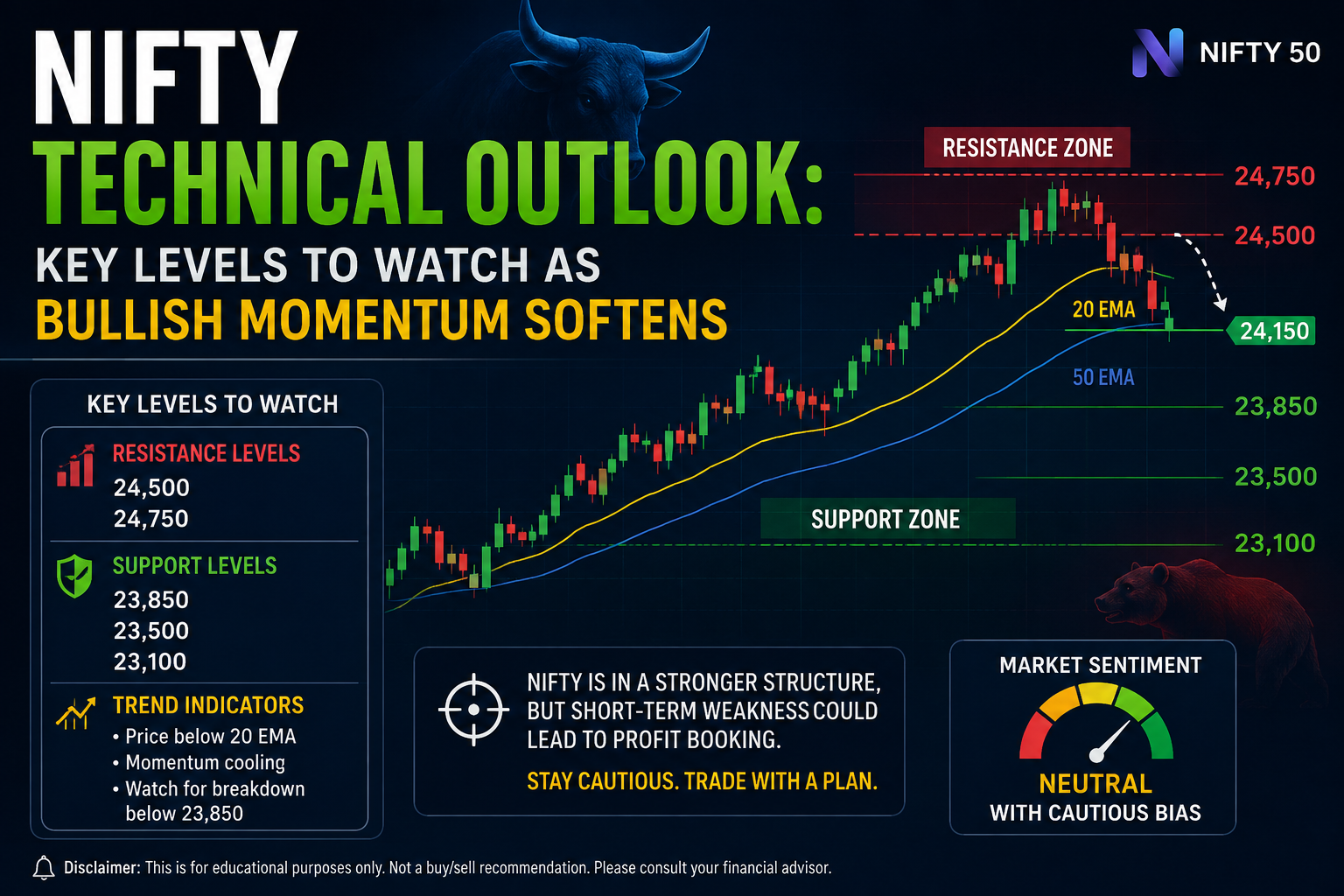
Everyone on Dalal Street is doing the same thing today—hitting the sell button and reaching for antacids. Sensex bleeds 900 points, Nifty cracks below 23,900, the rupee is sliding to 94.88, and Brent crude is staring down $105. The WhatsApp groups are on fire. CNBC anchors are grim. And somewhere, a retail investor is panic-selling the very stocks he swore he’d hold for the long term.
This, dear reader, is precisely when the contrarian puts down the panic and picks up the calculator.
Let’s be honest about what actually happened today. Iran-US tensions flared. Crude spiked 3.5%. FIIs sold. PM Modi asked citizens to conserve fuel and avoid foreign travel. These are real events — nobody is disputing that. But let’s also ask the question the sell-side won’t: Is any of this structurally new?
“The market is a device for transferring money from the impatient to the patient.” —And today, the impatient are in full cry.
Crude Oil: The Permanent Crisis That Never Permanently Breaks India
India has faced crude oil shocks in 1990, 2008, 2011, 2018, and 2022. Each time, the narrative was the same: the trade deficit will explode, inflation will spiral, and the rupee will collapse. And each time, India adapted — through subsidy adjustments, currency flexibility, and a domestic economy too large and too diverse to be killed by oil alone.
At $104, Brent is painful. It is not apocalyptic. The Indian government has policy levers—strategic reserves, fuel price mechanisms, and diplomatic back-channels—that Wall Street’s macro models conveniently ignore. Meanwhile, high crude also strengthens the case for India’s ongoing push into renewables. The pain today is seeding the structural shift of tomorrow.
The Signal Nobody Is Talking About: While autos fell 1.3% and financials slipped 0.8%, pharma stocks rose 2.3%—the domestic pharmaceutical market clocked 10.1% YoY growth in March. Companies outperformed estimates. In the middle of a “market crash,” an entire sector is quietly compounding. That’s not fear. That’s alpha.
FII Selling Is a Feature, Not a Bug
Every time foreign institutional investors sell India in a risk-off move, the doomsday crowd declares the end of the bull run. But consider the data over the last decade: every major FII outflow episode has been followed by a DII (domestic institutional investor) absorption and, eventually, a market recovery that embarrassed the sellers.
India’s domestic mutual fund SIP book is now a structural buyer. Every month, tens of thousands of crores flow in regardless of market direction. FIIs leaving creates the dip. DIIs and retail SIPs fill it. This is now a known, repeating pattern — and the contrarian knows which side of that pattern to be on.
The Rupee Is 94.88, Not 194.88
A 40-paise single-day move on the rupee is uncomfortable. It is not a currency crisis. India’s forex reserves remain substantial; the RBI has demonstrated it will intervene when necessary; and a weaker rupee—painful as it is for importers—is a quiet gift to India’s massive export sector: IT services, pharma, chemicals, and textiles. The same headlines that terrify the buyer are creating margin expansion for exporters.
What the Herd Misses Every Single Time
Markets don’t price in certainty. They price in perceived certainty—and when fear dominates, they overprice the downside and underprice the rebound. Today’s 900-point drop is not a rational reassessment of India’s GDP growth trajectory, its demographic dividend, its infrastructure buildout, or its corporate earnings cycle. It is a panic response to a crude chart and a geopolitical headline.
The businesses listed on the Nifty50 did not become worse businesses today. Their factories are running. Their customers are still buying. Their margins — outside of crude-exposed sectors — are intact. The stock prices changed. The businesses didn’t.
“Be greedy when others are fearful.” It’s a cliché because it has been correct, repeatedly, for over a century of market history.
The Contrarian Playbook for This Moment
This is not a call to buy everything blindly. It is a call to separate noise from signal. Pharma is showing you something. Mid- and small-cap indices are holding flatter than large caps—that relative strength is worth noting. Quality companies with pricing power, low debt, and domestic demand exposure are getting lumped in with the rest in a sentiment-driven sell-off. That is the opportunity.
The geopolitical crisis will de-escalate or be priced in. Crude will find its equilibrium, or India will adapt. The rupee will stabilize. What won’t come back easily is the price you could have bought at on a day like today—while the headlines were the worst and the courage was the hardest to find.
The market is screaming. The contrarian is listening carefully and making a shopping list.
*This is a contrarian opinion piece, not financial advice. Do your own research and consult a qualified financial advisor before making investment decisions.*