

As global energy markets face turbulence, India is reinforcing its “energy insurance policy.” Recent data shared in Parliament by the minister of state for petroleum, Suresh Gopi, highlights both the current state of India’s crude oil cushions and the ambitious roadmap to expand them.
Here is a breakdown of where India stands in securing its fuel needs amidst geopolitical shifts.
Current Storage: The Numbers
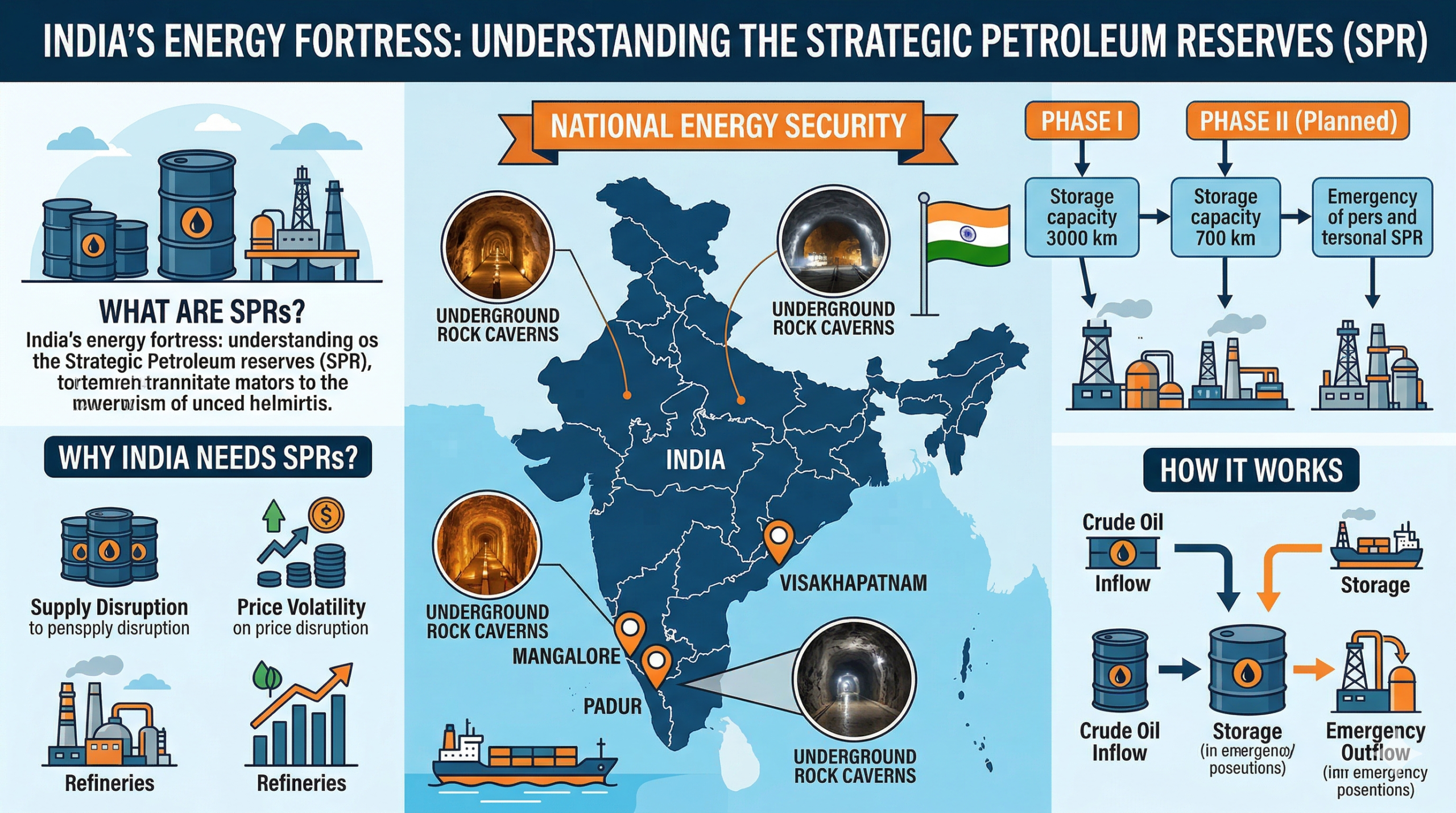
India’s Strategic Petroleum Reserves (SPRs) are specialized underground rock caverns designed to shield the country against sudden supply shocks.
- Existing Capacity: 5.33 million metric tonnes (MMT).
- Current Occupancy: Approximately 3.372 million tonnes (roughly 63% full).
- The 74-Day Safety Net: While the SPRs alone provide about 9.5 days of autonomy at full capacity, the total national stock—which includes refined products held by Oil Marketing Companies (OMCs)—can sustain the country for 74 days.
The Expansion Roadmap
To bolster long-term security, the government is moving into Phase II of the SPR program, adding 6.5 MMT of new storage:
- Odisha (Chandikhol): A massive new 4-MMT facility.
- Karnataka (Padur): Expanding existing capacity by 2.5 MMT.
The “Hormuz Factor” and Import Evolution
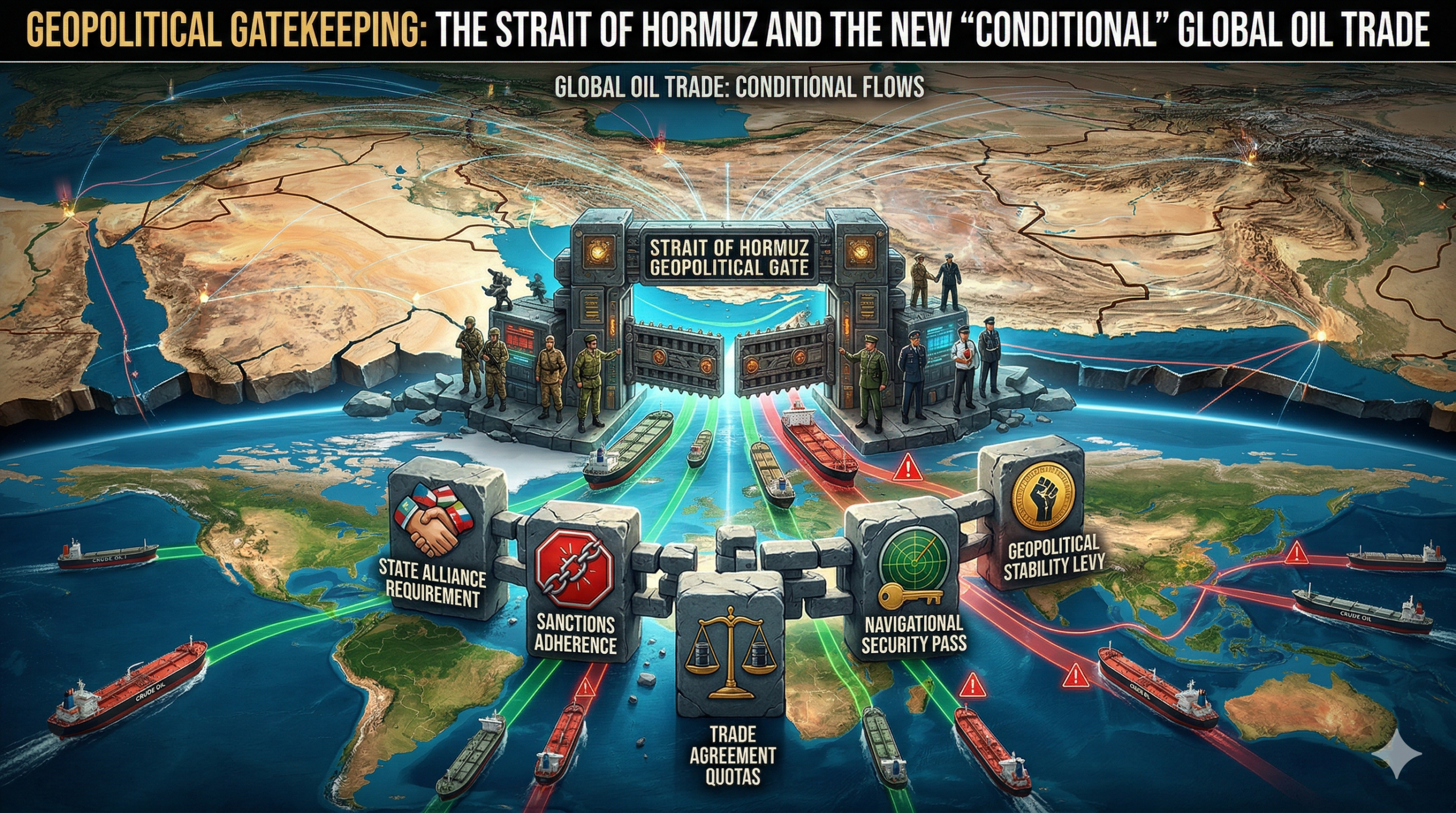
The Strait of Hormuz remains the world’s most sensitive energy chokepoint. With roughly 20% of global supply passing through this narrow waterway, any conflict involving Iran creates a direct threat to Indian imports.
Key Statistics:
- Import Reliance: India imports approximately 88.7% of its crude oil needs.
- Financial Impact: In FY26 alone, the government has spent $110 billion to import 226 million tonnes.
- Strategic Diversification: Under Prime Minister Narendra Modi, India has expanded its supplier base from 27 nations to 41.
“By sourcing oil from the US, Canada, Brazil, and Nigeria, India is actively bypassing the reliance on the Hormuz transit for a significant portion of its energy needs.”
Diplomacy and the Cost of Conflict
While diversification provides a safety net, West Asian oil remains the most cost-effective option due to lower freight costs. This economic reality has led to high-stakes diplomacy:
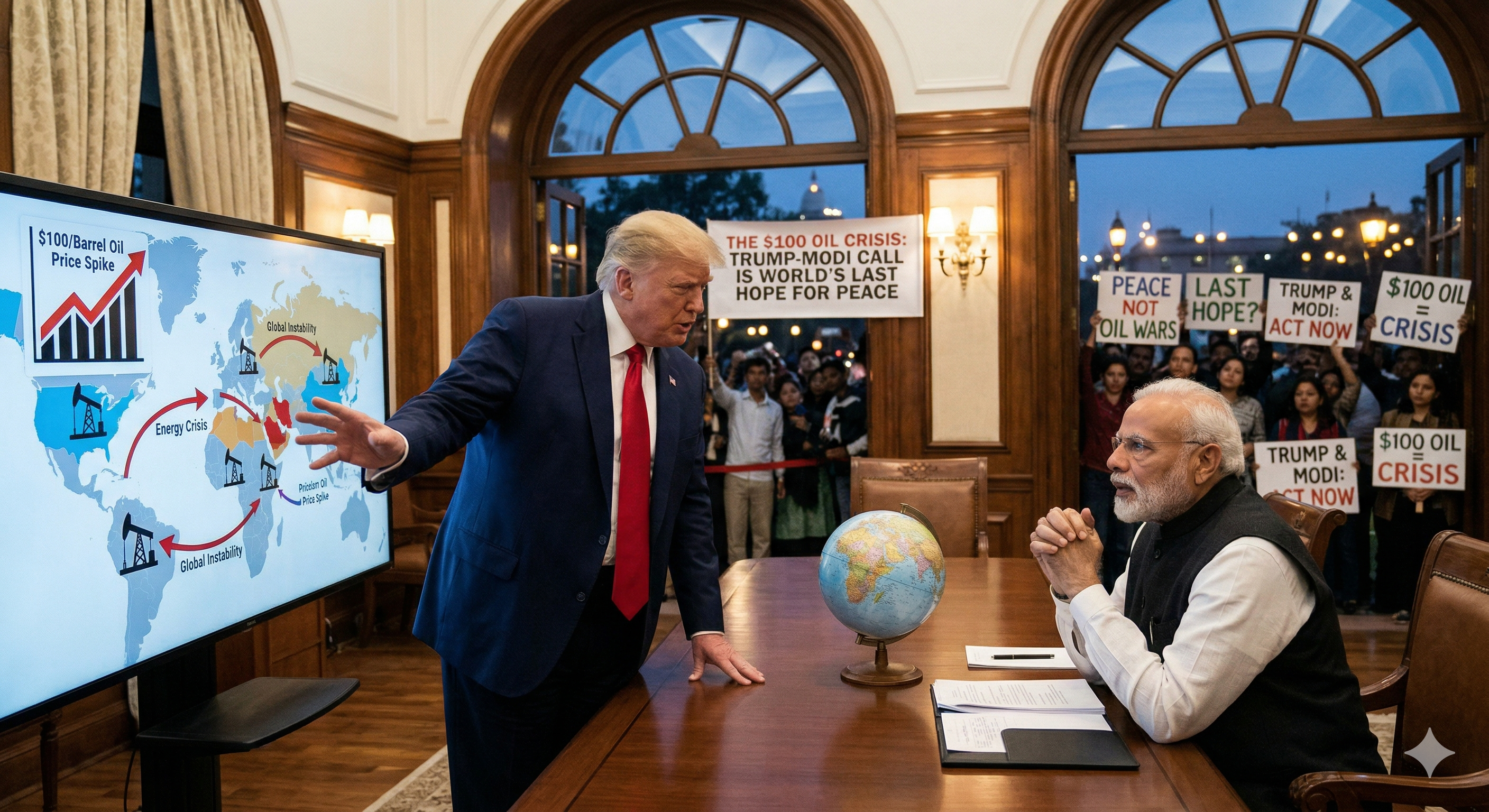
- Direct Engagement: PM Modi recently spoke with Iranian President Masoud Pezeshkian to advocate for the safety of shipping lanes.
- Global Pressure: While the US seeks to secure the Strait with Western allies, Iran has signaled it may use its geographic control over the waterway as leverage against international sanctions.
Summary Table: India’s Energy Profile
| Metric | Detail |
| Total SPR Capacity (Current) | 5.33 Million Tonnes |
| Days of Cover (Full SPR) | 9.5 Days |
| Total System Cover (SPR + OMCs) | 74 Days |
| Import Dependency | ~89% |
| New Capacity Planned | 6.5 Million Tonnes |