



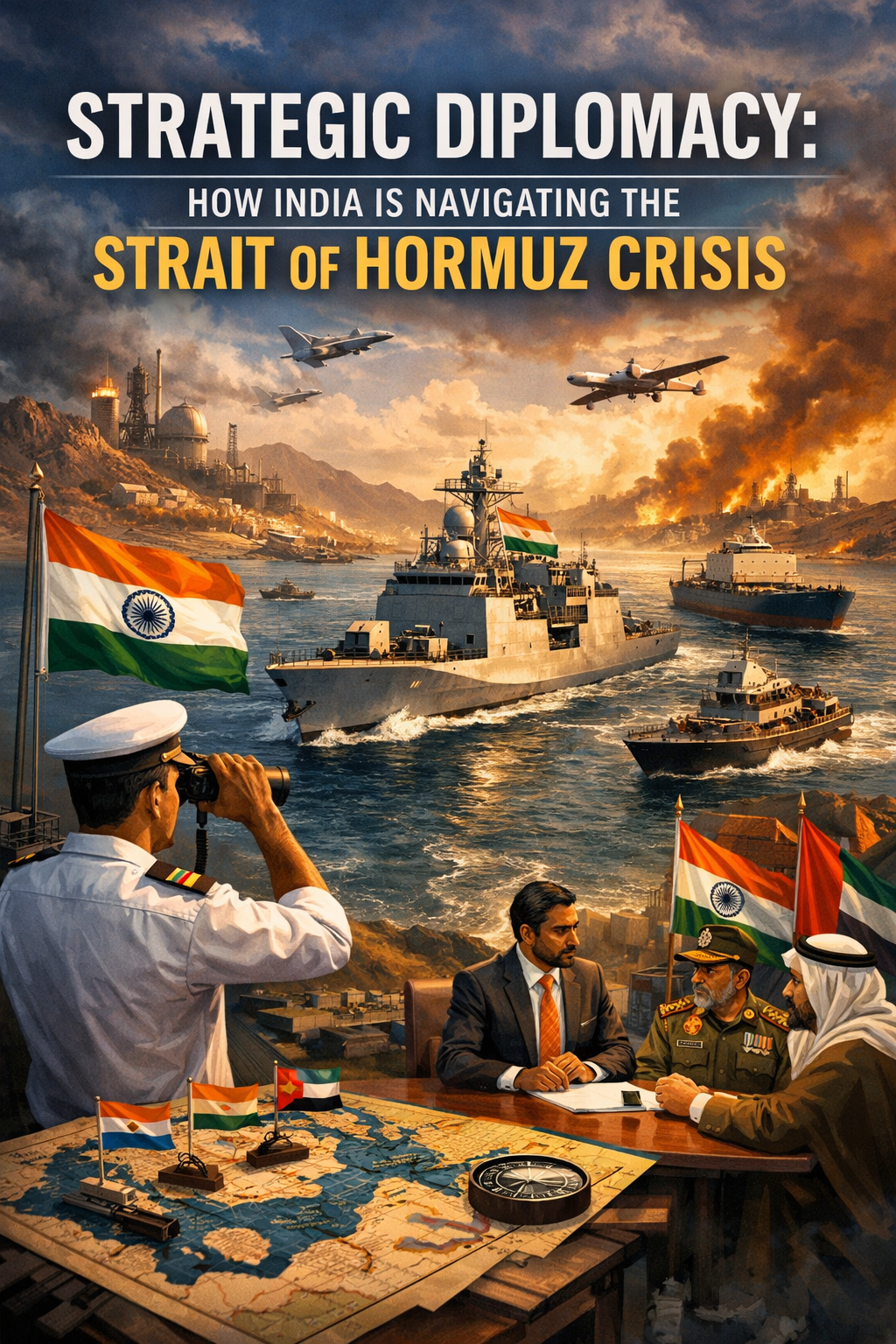
In a masterclass of “de-hyphenated” foreign policy, India is currently taking a unique path to secure its energy interests. While tensions in the Middle East escalate following threats of strikes on Kharg Island, External Affairs Minister S. Jaishankar has confirmed that New Delhi is actively negotiating with Tehran to keep the Strait of Hormuz accessible.
The Strategy: Reasoning over Isolation
While some Western powers have leaned toward military deterrence and naval deployments, India’s approach is rooted in direct engagement. Jaishankar emphasized that it is far more productive to “reason and coordinate” with Iran than to avoid dialogue. This diplomatic channel is already yielding tangible results:
- Case-by-Case Transit: While no “blanket arrangement” exists yet for all Indian-flagged vessels, ships are being cleared for passage on an individual basis.
- Successful Crossings: The LPG carriers Shivalik and Nanda Devi successfully transited the Strait this weekend, carrying over 92,000 metric tonnes of fuel destined for Mundra and Kandla.
- The Jag Laadki Incident: Despite loading operations being disrupted by attacks at the Fujairah terminal, Indian vessels are beginning to resume their journeys under close diplomatic watch.
Why This Matters for Global Markets
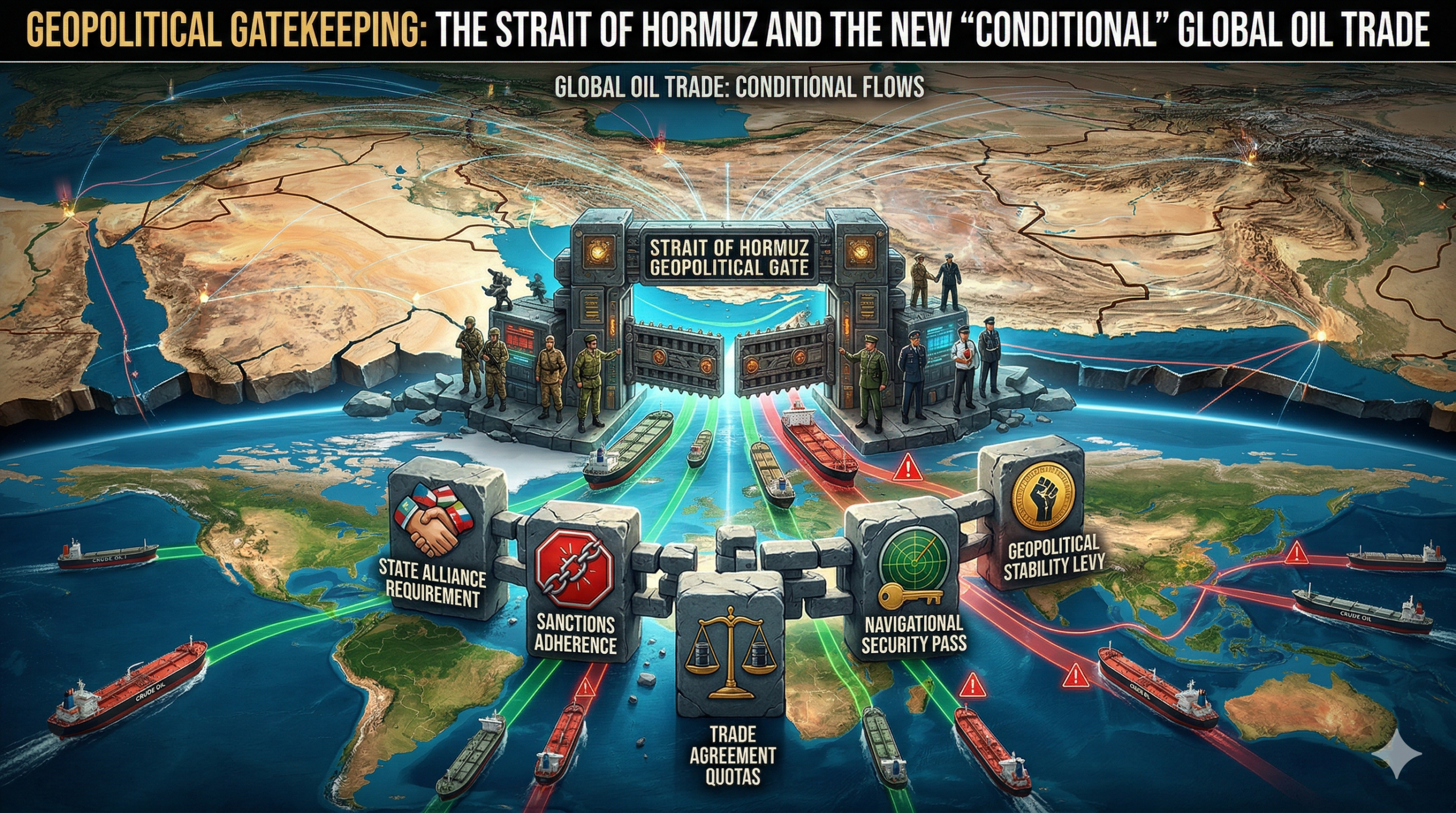
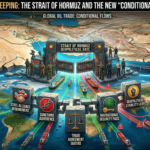
The Strait of Hormuz is the world’s most important oil transit chokepoint. India’s ability to maintain a working relationship with Iran—despite pressure from the U.S. to join a more aggressive naval stance—highlights New Delhi’s growing role as a pragmatic mediator.
Jaishankar noted that while every nation must follow its own path based on its unique circumstances, India is open to sharing its “coordination” model with European capitals looking for an alternative to a total blockade.
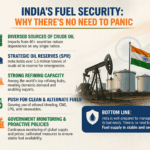
The Bottom Line: For India, energy security isn’t just about logistics; it’s about maintaining a seat at the table with all parties, ensuring that the wheels of the economy keep turning even in a volatile geopolitical landscape.