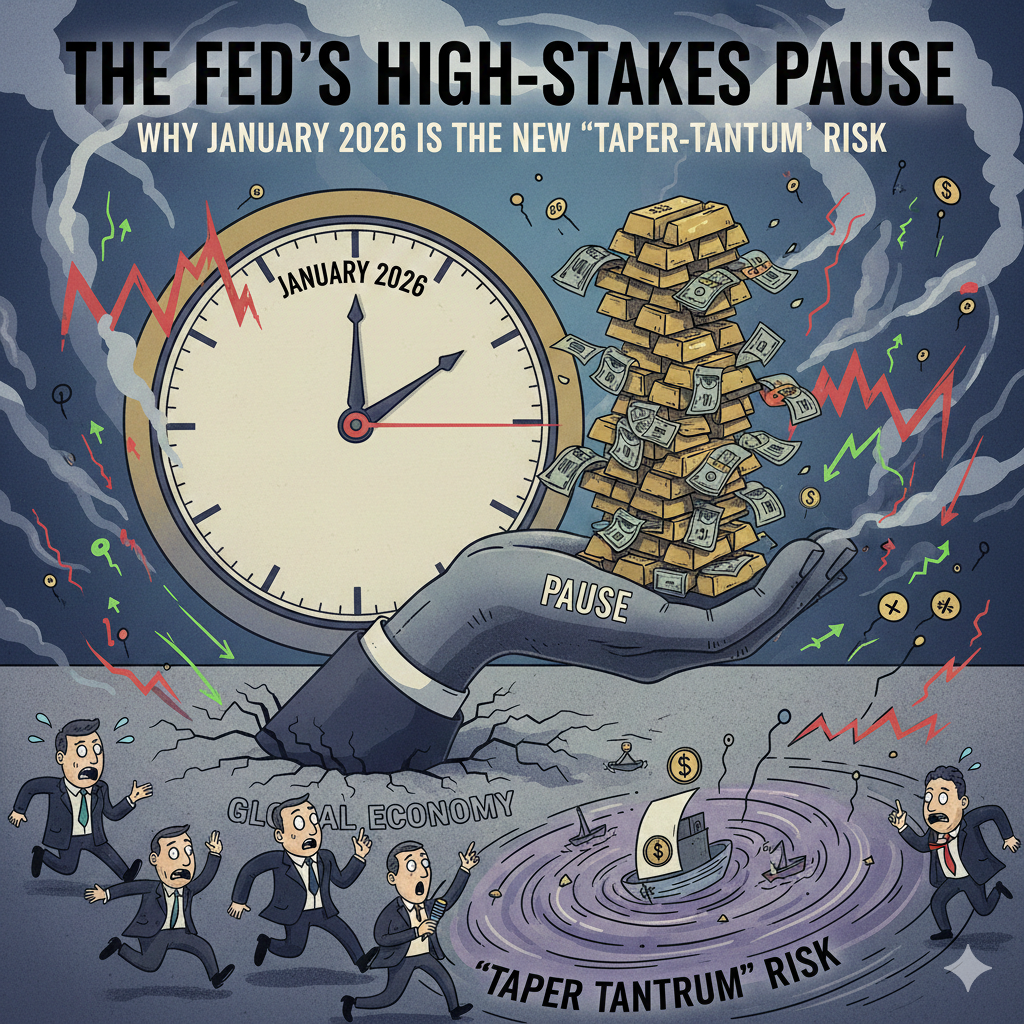










The Indian stock market is facing a “March Madness” of a different kind. After a hopeful rebound in February, Foreign Portfolio Investors (FPIs) have hit the exit button with intensity, offloading a staggering Rs 88,180 crore (approx. $9.6 billion) in just the first twenty days of March.
According to NSDL data, foreign investors have been net sellers every single trading day this month (up to March 20). This sustained exodus has pushed total FPI outflows for 2026 past the Rs 1 lakh crore mark, nearly overshadowing the record-breaking liquidations we saw back in October 2024.
Why are Foreign Investors Fleeing?
The sudden reversal in sentiment isn’t tied to a single event but rather a “perfect storm” of global and domestic pressures:
- The West Asia Crisis & Oil Spikes: With Brent crude crossing the $100 per barrel threshold due to tensions in West Asia, the “risk-off” mood is palpable. Concerns over supply chain disruptions through the Strait of Hormuz are making investors wary of energy-dependent emerging markets.
- The Yield Trap: Rising US Treasury yields are pulling capital back toward the West. When dollar-denominated assets offer higher, safer returns, the incentive to stay in emerging equity markets diminishes.
- Currency Pressure: The rupee is hovering near the 92 mark against the US dollar. A weakening local currency eats into the total returns for foreign investors, often triggering preemptive selling.
- Q4 Anxiety: With the final earnings season of the fiscal year approaching, there are growing concerns regarding margin pressures, particularly as raw material costs rise alongside oil prices.
Sector in the Crosshairs: Financial Services
The brunt of this selling has been felt in the financial services sector. In just the first two weeks of March, FPIs liquidated positions worth Rs 31,831 crore in this space. As a heavyweight in the Nifty 50, the weakness in financials is acting as a significant drag on the broader indices.
What Lies Ahead?
Market analysts, including experts from Geojit and Angel One, suggest that volatility is the new baseline. For a durable reversal to occur, we need to see three things:
- A cooling of geopolitical friction in West Asia.
- Stabilization of the Rupee and global oil prices.
- Stronger-than-expected Q4 earnings to justify current valuations.
While Domestic Institutional Investors (DIIs) continue to provide a cushion, the market’s trajectory in the coming weeks will likely be dictated by headlines from Washington and the Middle East rather than Mumbai alone.
What’s your take? Is this a temporary dip and a buying opportunity for long-term investors, or is the global macro environment too risky right now? Let’s discuss in the comments.