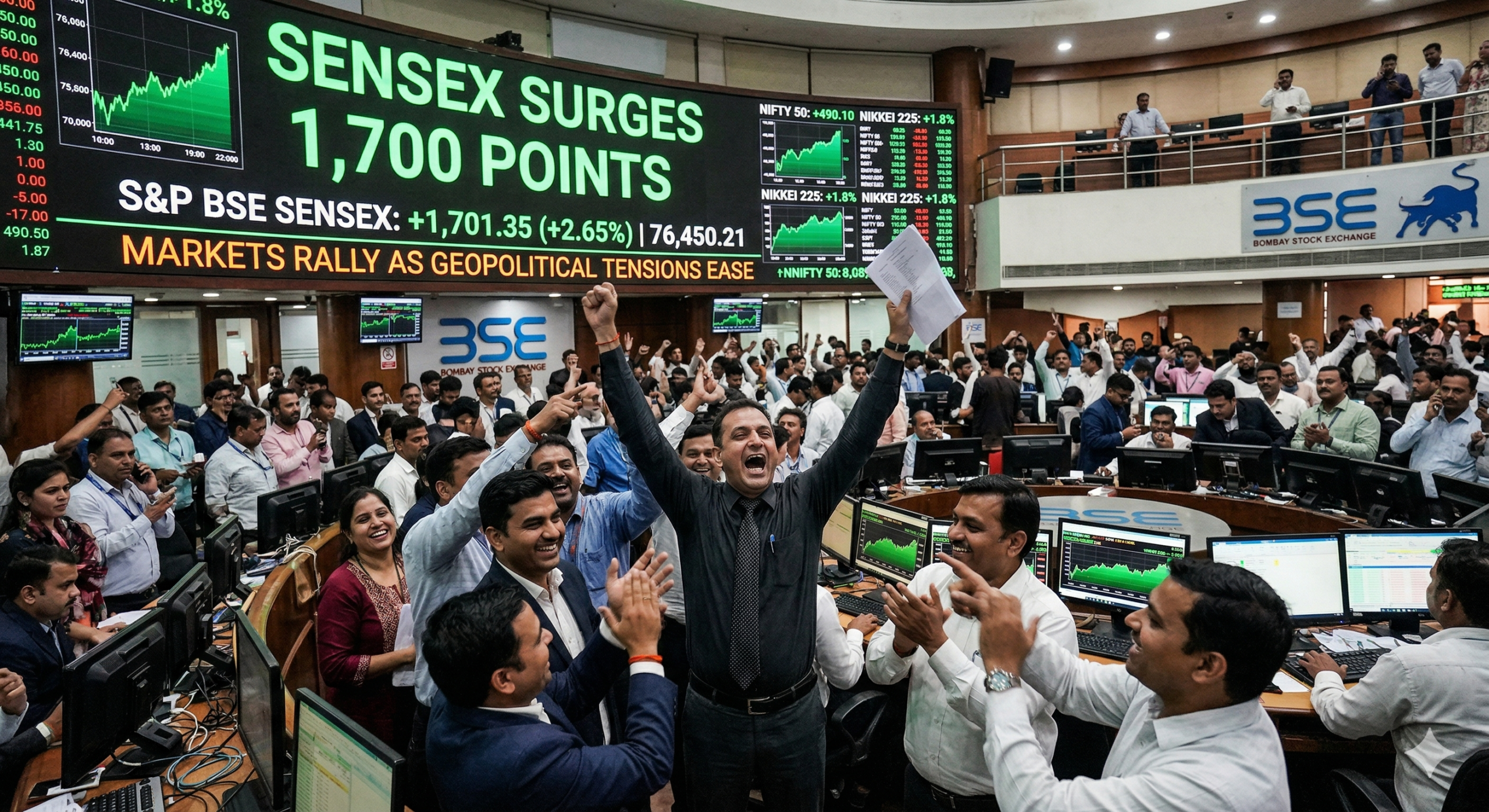









The optimistic momentum of February has met a cold front in March. Data from the NSDL reveals a stark shift in institutional behavior: Foreign Portfolio Investors (FPIs) have transitioned from aggressive buyers to consistent sellers, offloading ₹88,180 crore (approx. $9.6 billion) in Indian equities in less than three weeks.
While the numbers are eye-watering, they tell a deeper story of a global “flight to safety” triggered by a convergence of geopolitical and macroeconomic pressures.
The Catalysts: Why the Tide Turned
The sudden reversal from February’s ₹22,615 crore inflow to March’s massive outflow isn’t random. Analysts point to four primary “pressure points” rattling the cages of global fund managers:
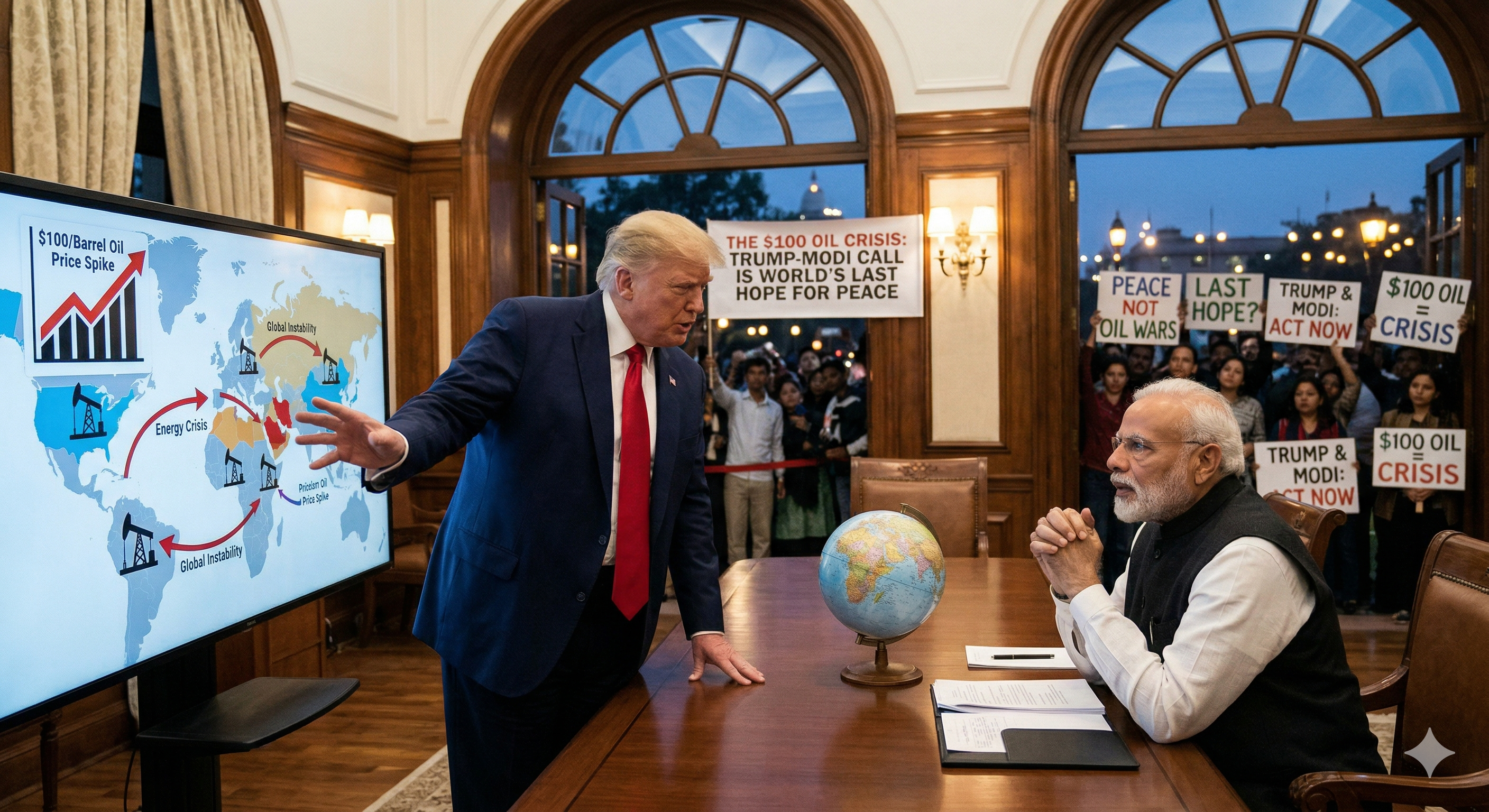
- The Energy Risk: With Brent crude breaching the $100 mark, the ghost of inflation has returned. Escalating tensions in West Asia, particularly concerns over the Strait of Hormuz, have forced investors to price in a “war premium” on oil.
- The Currency Slide: The Rupee’s struggle near the 92 level against the USD creates a double-whammy for foreign investors. Not only do equity prices fluctuate, but the value of those holdings shrinks when converted back to dollars.
- The Yield Attraction: As US Treasury yields remain elevated, the “risk-free” return in the West becomes a formidable competitor to the “high-growth” potential of emerging markets like India.
- Sector-Specific De-risking: Financial services—the traditional darling of FPIs—saw the heaviest liquidations, with over ₹31,000 crore pulled from the sector in the first half of the month alone.
Is This a “Panic” or a “Correction”?
It’s important to keep perspective. While this sell-off is one of the most sustained in recent history, it remains slightly below the record exit seen in October 2024. What we are seeing is a tactical repositioning. FPIs are moving to the sidelines to wait for clarity on two fronts:
- Geopolitical de-escalation: A cooling of friction in West Asia.
- Q4 Earnings Visibility: Investors are waiting to see if Indian corporates can maintain margins despite rising input (oil) costs.
The Bottom Line
The “Goldilocks” scenario of early 2026 has been interrupted by global volatility. For the Indian markets to find a floor, we need to see a stabilization in crude prices and a cooling of the US dollar index. Until then, Domestic Institutional Investors (DIIs) will be the primary line of defense against further slides.