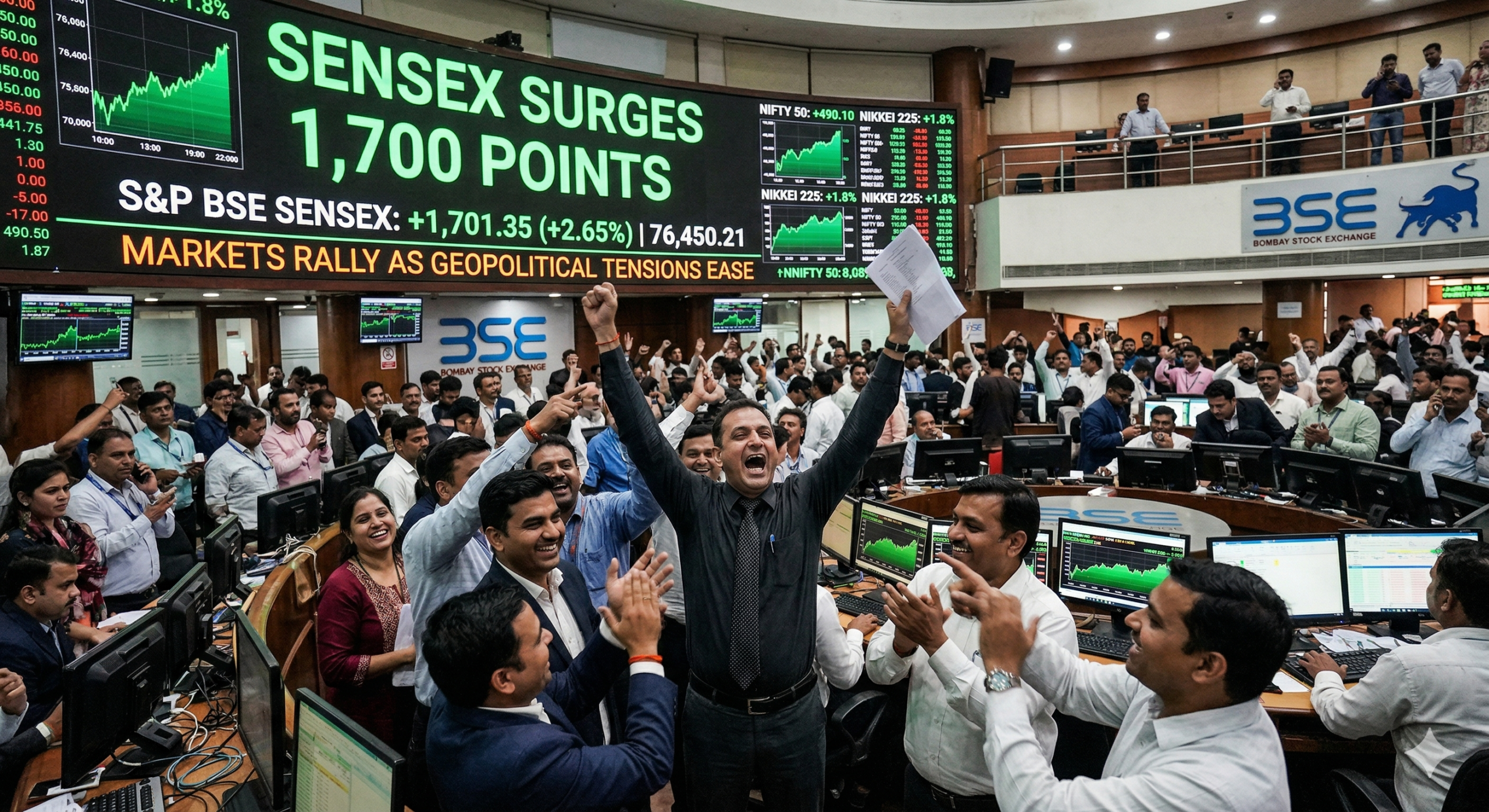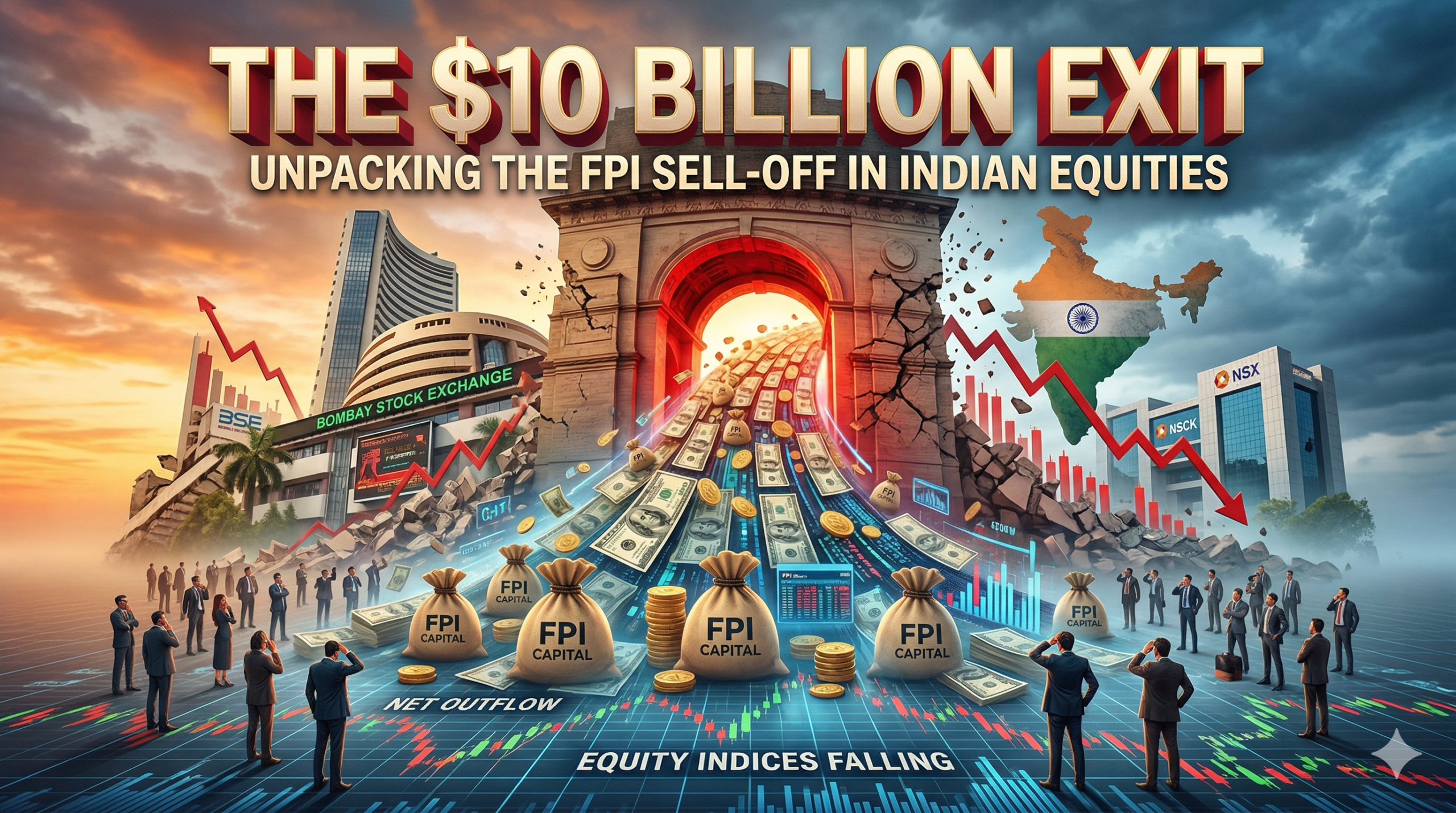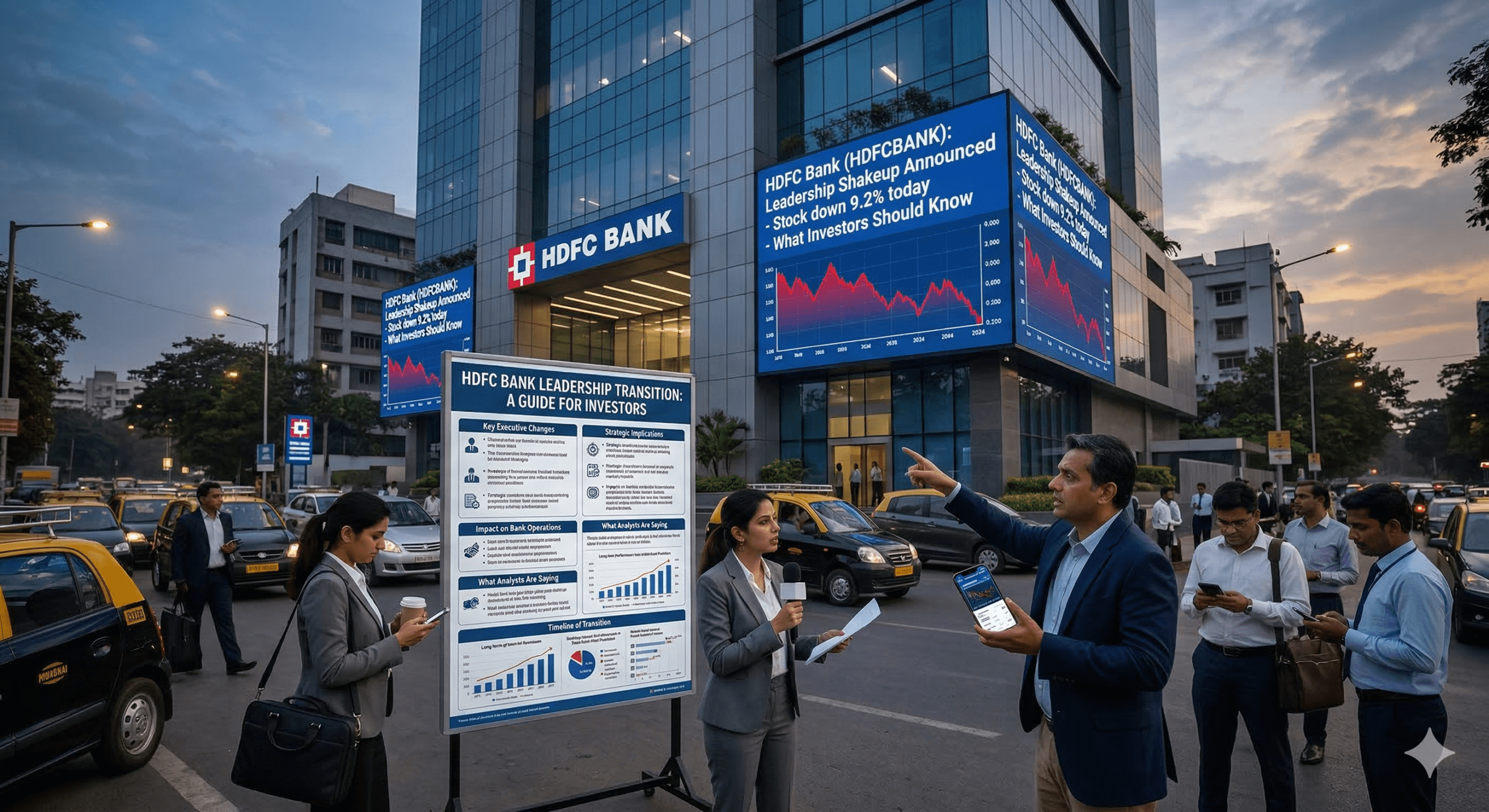






History has a strange way of repeating itself, especially on Dalal Street. While headlines scream “Crisis in Iran,” seasoned investors are looking at a different set of numbers.
The Irony of the “War Bounce”: It feels counter-intuitive. How can the Nifty 50 or Sensex rise when global stability is at stake? The answer lies in the “Shock & Recovery” cycle. * Gulf War (1990): Sensex dropped 18%, then surged 50% in six months.
- Kargil (1999): Nifty fell 13% and then rallied 31% in six months.
- Mumbai 26/11: A horrific tragedy and a market crash, followed by a staggering 82% return in a year.
The “Operation Sindoor” Context: Fast forward to May 2025. Despite the strikes, the Sensex showed incredible resilience, recovering 800 points in a single day. Why? Because markets price in fear quickly, but they price in fundamentals for the long term.
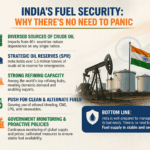
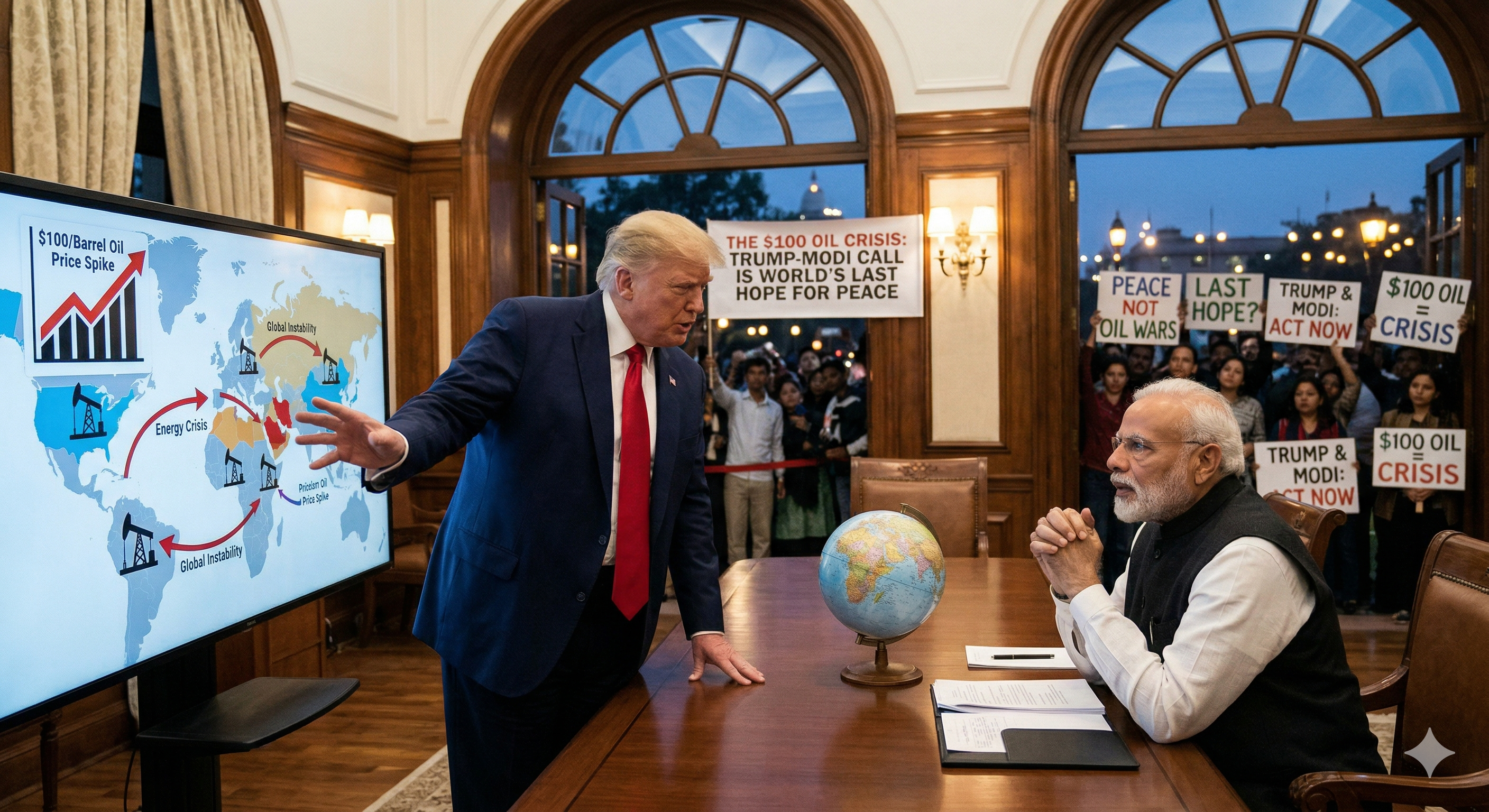
The Real Enemy: Not Missiles, but Oil The conflict itself rarely breaks the market; it’s the Strait of Hormuz that holds the key. If Brent Crude crosses $100, the narrative shifts from “geopolitical tension” to “inflationary pressure.”
Winners & Losers:
- 🔴 Pain Zones: Aviation, Logistics, and Banks (due to delayed rate cuts).
- 🟢 Gain Zones: Defense (HAL, BEL) and Upstream Oil (ONGC).
The Takeaway: March has been positive for the Nifty in 8 out of the last 10 years. Don’t let the noise drown out the signal. Stay invested, but keep a sharp eye on the $90 crude mark.