While the world watches the charts, the real story is unfolding in a narrow stretch of water just 21 miles wide. Iran has officially clarified its stance on the Strait of Hormuz, and the message is sending shockwaves through global energy markets: the gates are open, but only for some.
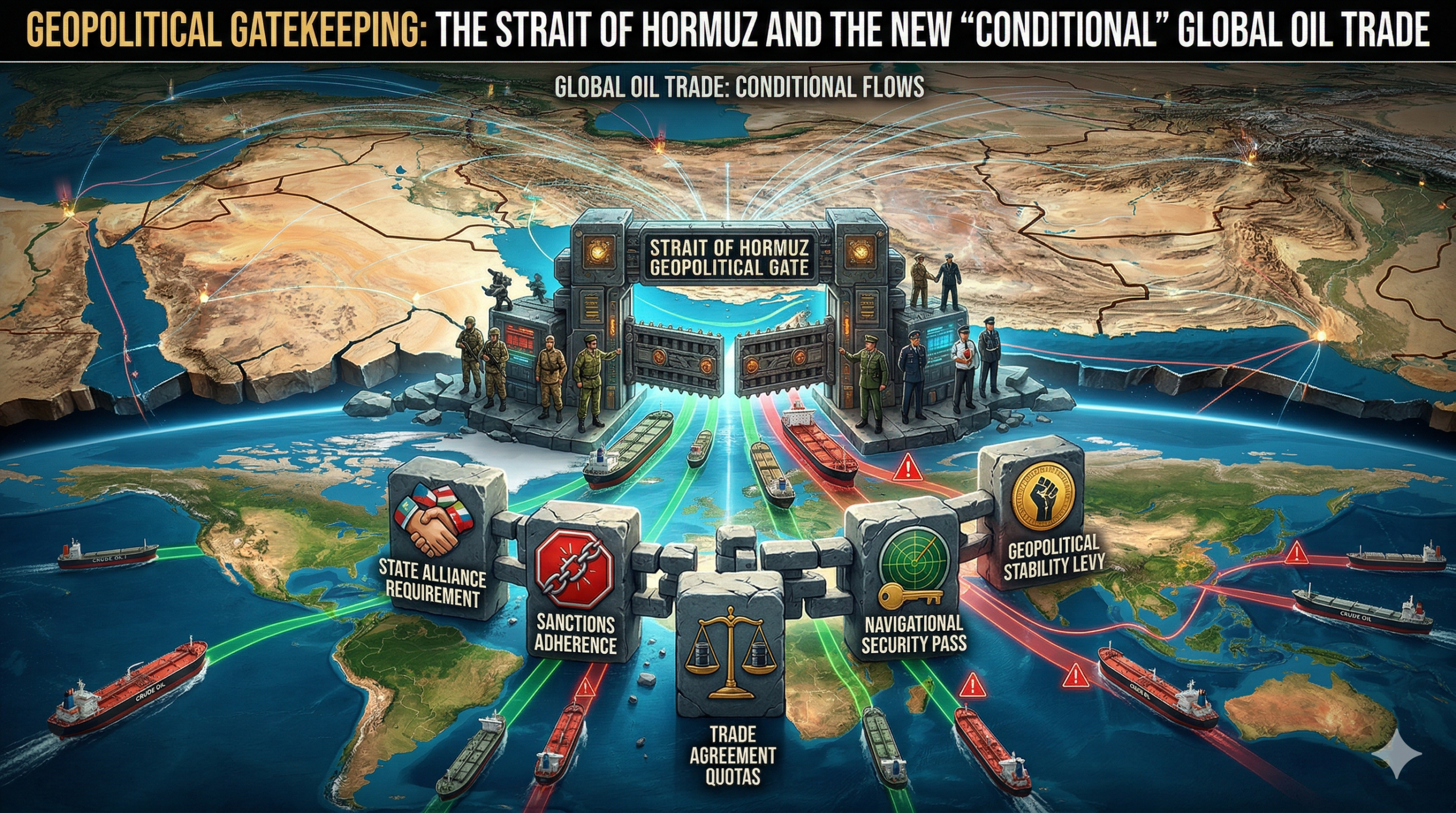
Tehran’s recent declaration that the waterway remains accessible—provided vessels have no links to “enemy states”—has introduced a layer of geopolitical gatekeeping that the modern oil trade hasn’t seen in decades.
A “Chokepoint” with Strings Attached
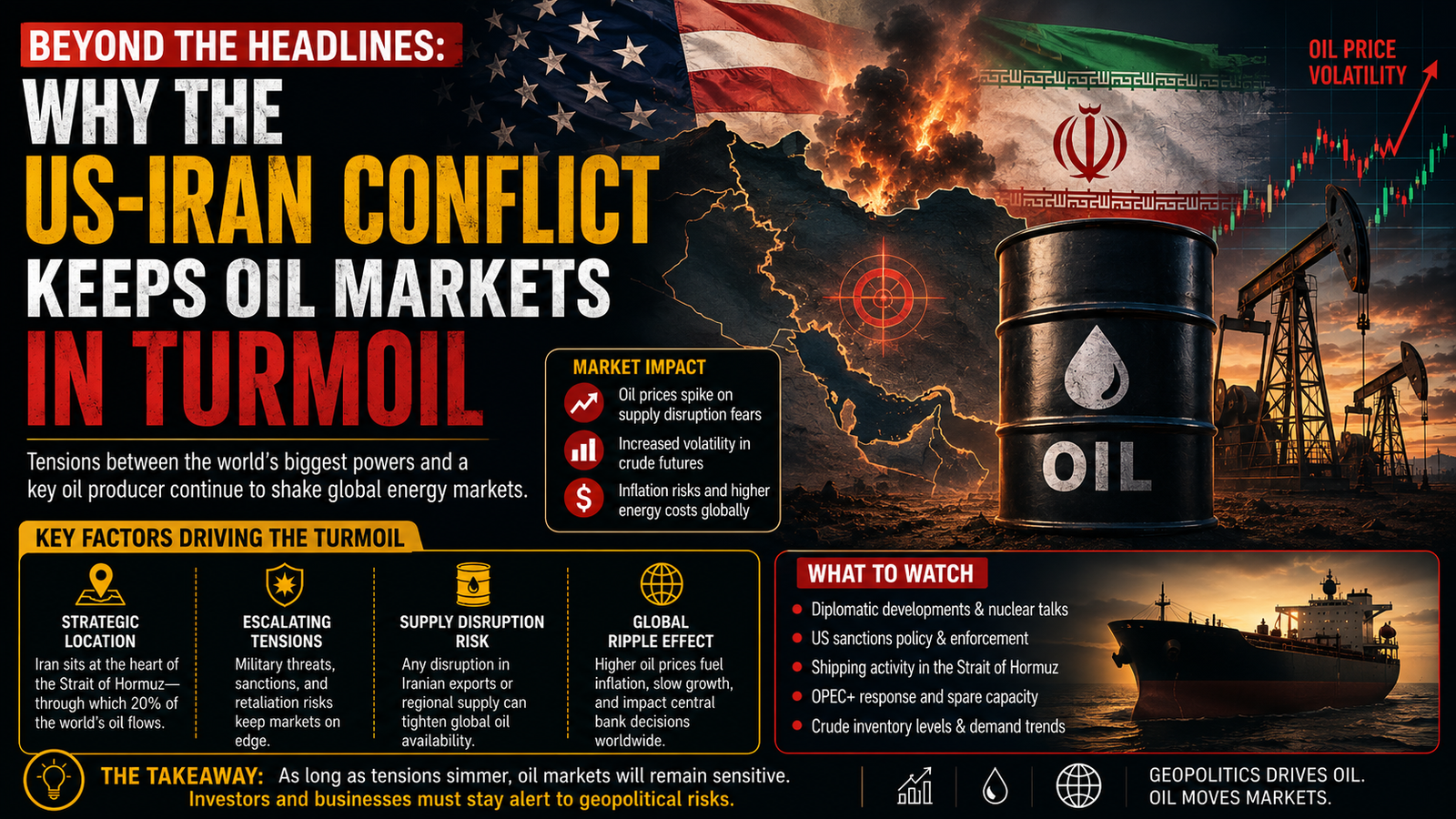
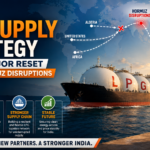
The Strait of Hormuz isn’t just a shipping lane; it is the jugular vein of the global economy. Handling roughly 20% of the world’s oil and liquefied natural gas (LNG), any friction here is felt immediately at gas stations and factories from Mumbai to Tokyo.
Iran’s representative to the UN’s maritime agency, Ali Mousavi, framed the situation as a security coordination issue. However, the fine print is what matters:
- Selective Access: Ships associated with perceived “enemies” (primarily aimed at U.S. and Israeli interests) are effectively barred.
- Security Coordination: Passing through now requires a level of diplomatic and safety “alignment” with Tehran.
- The Ultimatum Factor: This “conditional openness” comes on the heels of President Trump’s warning that Iranian power plants could face targeting if the strait isn’t “fully open” within 48 hours.
Why Markets Aren’t Buying the “Open” Label
Despite Iran’s claims that diplomacy is the priority, the shipping industry remains in a state of paralysis. Here is why the risk premium remains sky-high:
- The Identity Crisis: For global shipping conglomerates, “enemy-linked” is a dangerously vague term. With complex ownership structures and international charters, many operators are choosing to bypass the route rather than risk seizure or attack.
- Asian Vulnerability: Economies like India and China are the most exposed. As major importers of Middle Eastern crude, any “conditional” flow threatens to spike import bills and fuel domestic inflation.
- The Retaliation Loop: The threat of strikes on energy infrastructure has turned the strait into a literal powder keg. Insurance premiums for tankers have already skyrocketed, making even “safe” passage prohibitively expensive.
The Bottom Line: Energy as a Diplomatic Lever
We have entered an era where maritime access is no longer a given—it’s a bargaining chip. By tying the flow of oil to geopolitical positioning, the “neutrality” of international waters is being challenged.
For investors, this explains the “risk-off” sentiment we are seeing in emerging markets. Until the Strait returns to a status of unconditional freedom of navigation, expect oil prices to hold their “war premium” and FPIs to remain cautious about energy-sensitive markets like India.