






India’s Economy Is Passing the Ultimate Stress Test—And Winning
Every economic cycle has one defining moment.
For India, 2026 may become the year that proves whether the country has evolved from an emerging market into a truly resilient global economy.
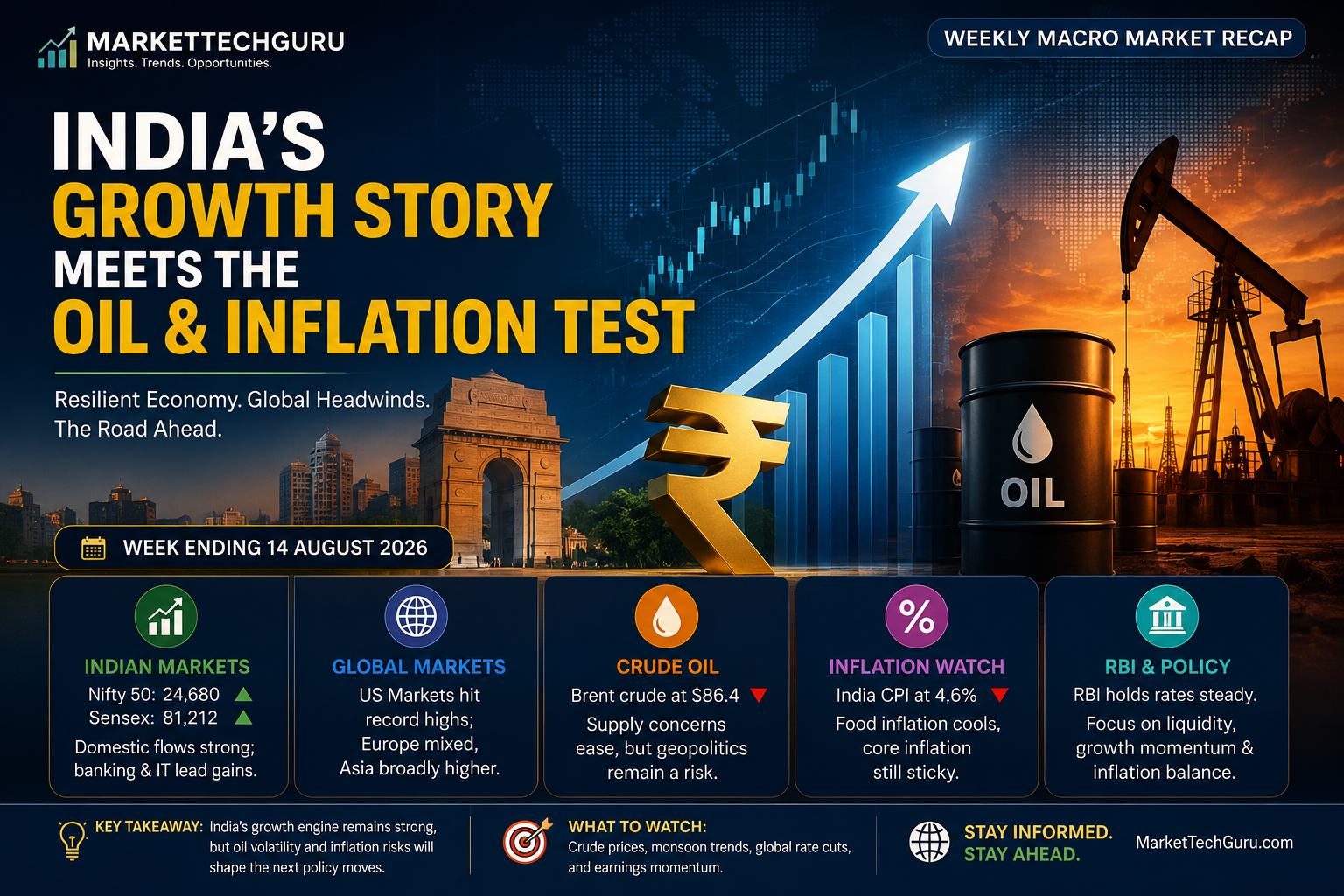
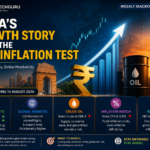
Despite geopolitical tensions, volatile oil markets, and slowing global growth, India’s macroeconomic engine continues to show remarkable stability. Domestic demand remains healthy, inflation pressures have eased alongside lower crude prices, and several institutions have maintained or improved India’s growth outlook.
But the real story isn’t that India survived another external shock.
It’s why it survived.
The New India Is Driven From Within
Unlike previous decades when global demand dictated India’s economic fortunes, today’s growth story is increasingly powered by domestic consumption, infrastructure investment, manufacturing expansion, and digital transformation.
This creates a stronger economic foundation because internal demand is far less volatile than export-led growth.
Consumers continue spending.
Businesses continue investing.
Government capital expenditure remains supportive.
That combination provides resilience when the global economy slows.
Energy Prices Still Matter
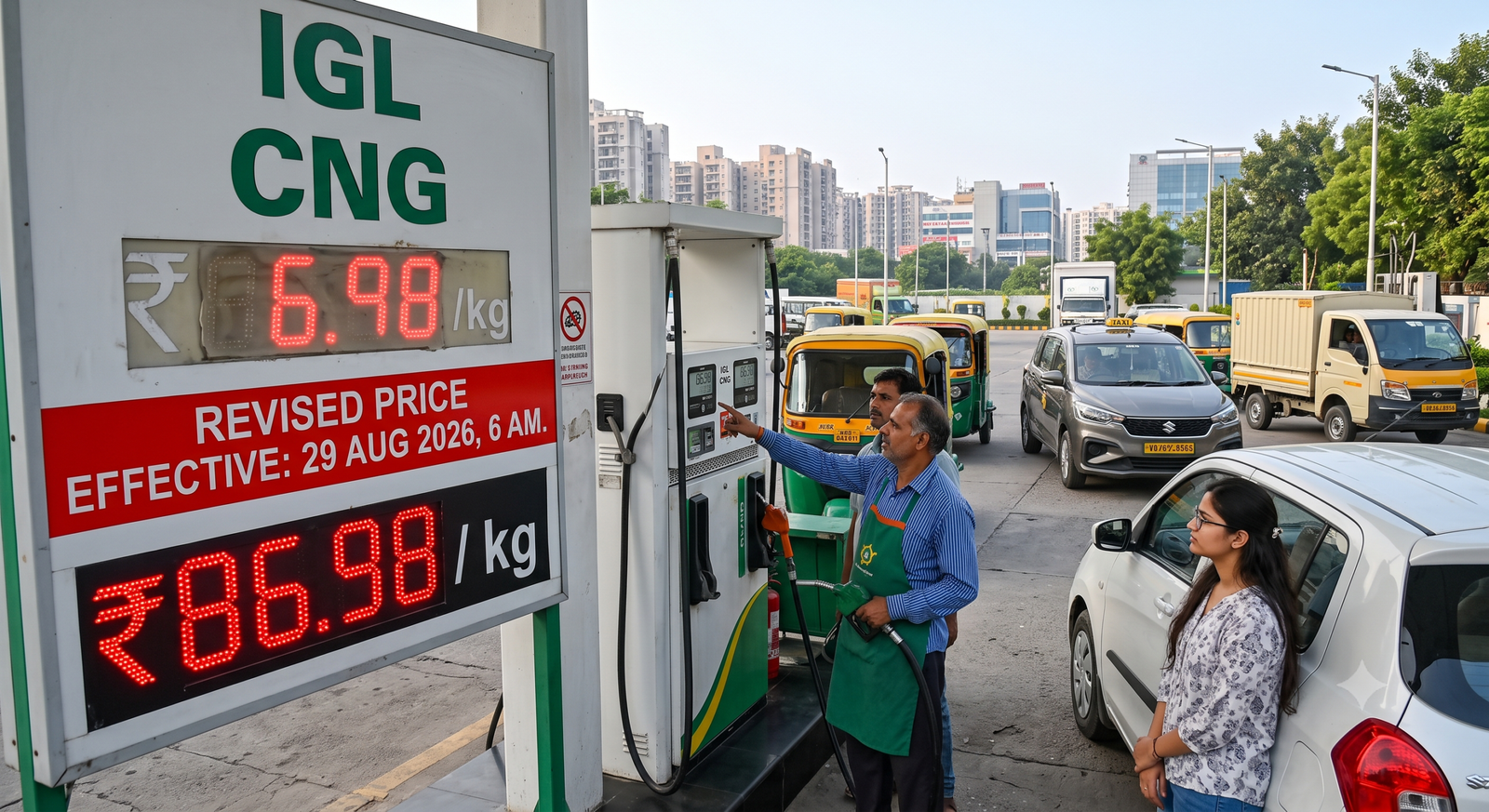
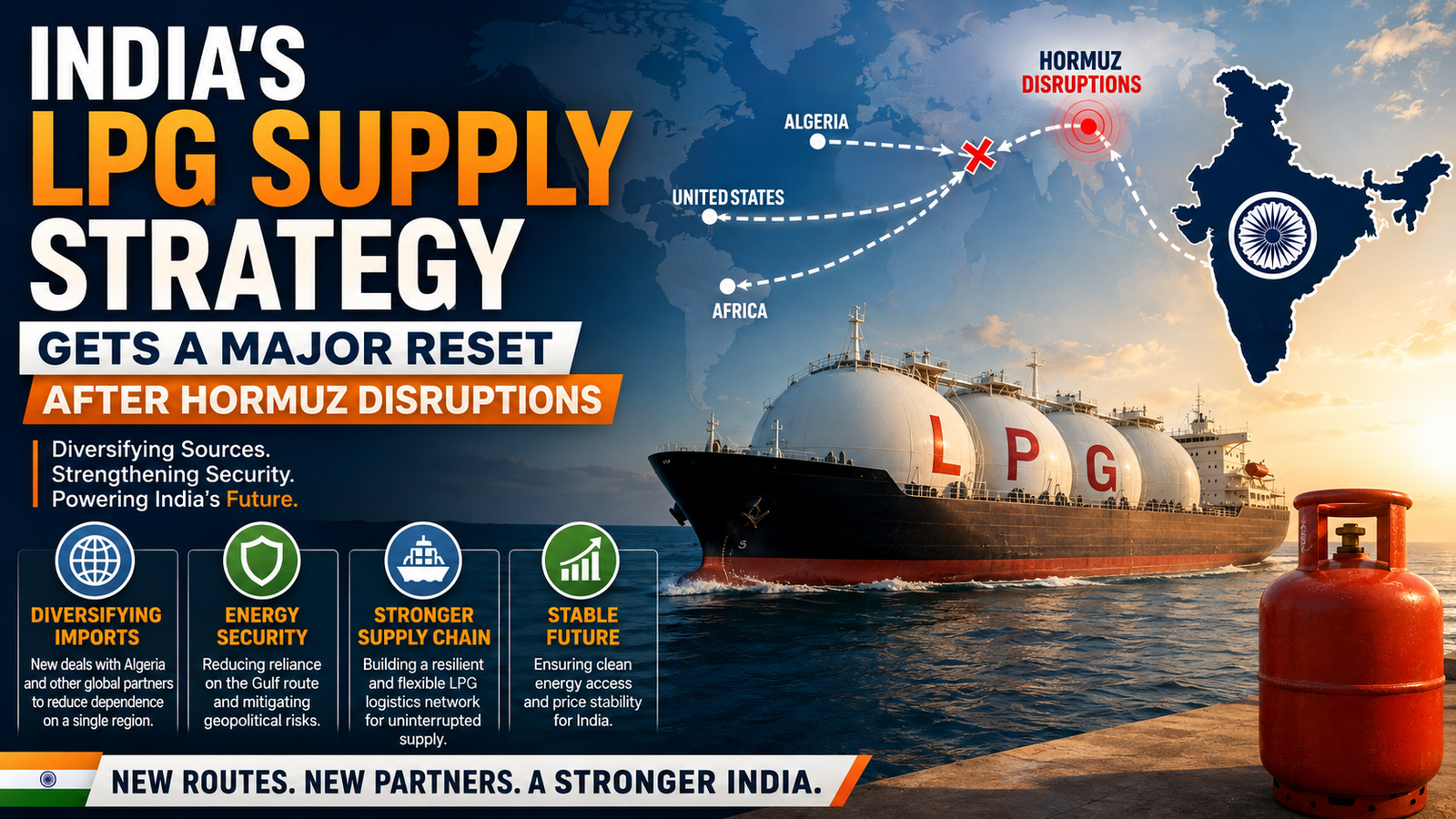
India imports most of its crude oil.
That means every spike in oil prices affects inflation, the fiscal balance, and corporate profitability.
Fortunately, easing crude prices after recent geopolitical tensions have improved the outlook for inflation and economic growth. Several analysts have upgraded India’s medium-term growth expectations as energy risks have moderated.
Lower oil prices create a chain reaction:
- Lower inflation
- Stronger consumer spending
- Better corporate margins
- Reduced current account pressure
- More policy flexibility
This is why energy markets remain one of the biggest indicators for Indian investors.
Foreign Investors Are Watching Again
Global investors don’t simply chase growth.
They chase stability.
With oil prices cooling and the rupee becoming more stable, international funds have begun reassessing Indian equities after a period of caution.
If corporate earnings continue improving, foreign capital could strengthen further over the coming quarters.
The Bigger Picture
Markets often react to headlines.
Long-term wealth is created by understanding trends.
India’s biggest competitive advantage today is not just GDP growth.
It is the combination of:
- Demographic strength
- Digital infrastructure
- Manufacturing expansion
- Policy reforms
- Rising domestic consumption
- Increasing global confidence
These structural drivers matter far more than short-term volatility.
What Investors Should Watch
Instead of reacting to daily market moves, monitor these macro indicators:
- Crude Oil Prices
- Inflation
- RBI Policy
- Corporate Earnings
- Foreign Institutional Investment (FII) Flows
- Manufacturing PMI
- Government Infrastructure Spending
These indicators often provide earlier signals than stock prices.
Final Thoughts
Economic resilience isn’t measured when everything goes right.
It’s measured when everything goes wrong—and growth continues.
India appears to be entering a new phase where domestic strength is increasingly capable of absorbing global shocks.
For long-term investors, that may be the most important trend of this decade