


The global oil market is currently experiencing a period of intense volatility. As geopolitical friction between the United States and Iran escalates, energy traders and economic analysts worldwide are closely watching every supply metric and political statement.
What factors are driving this instability, and why are crude prices remaining unpredictably volatile?
1. The Strait of Hormuz: The Ultimate Energy Chokepoint
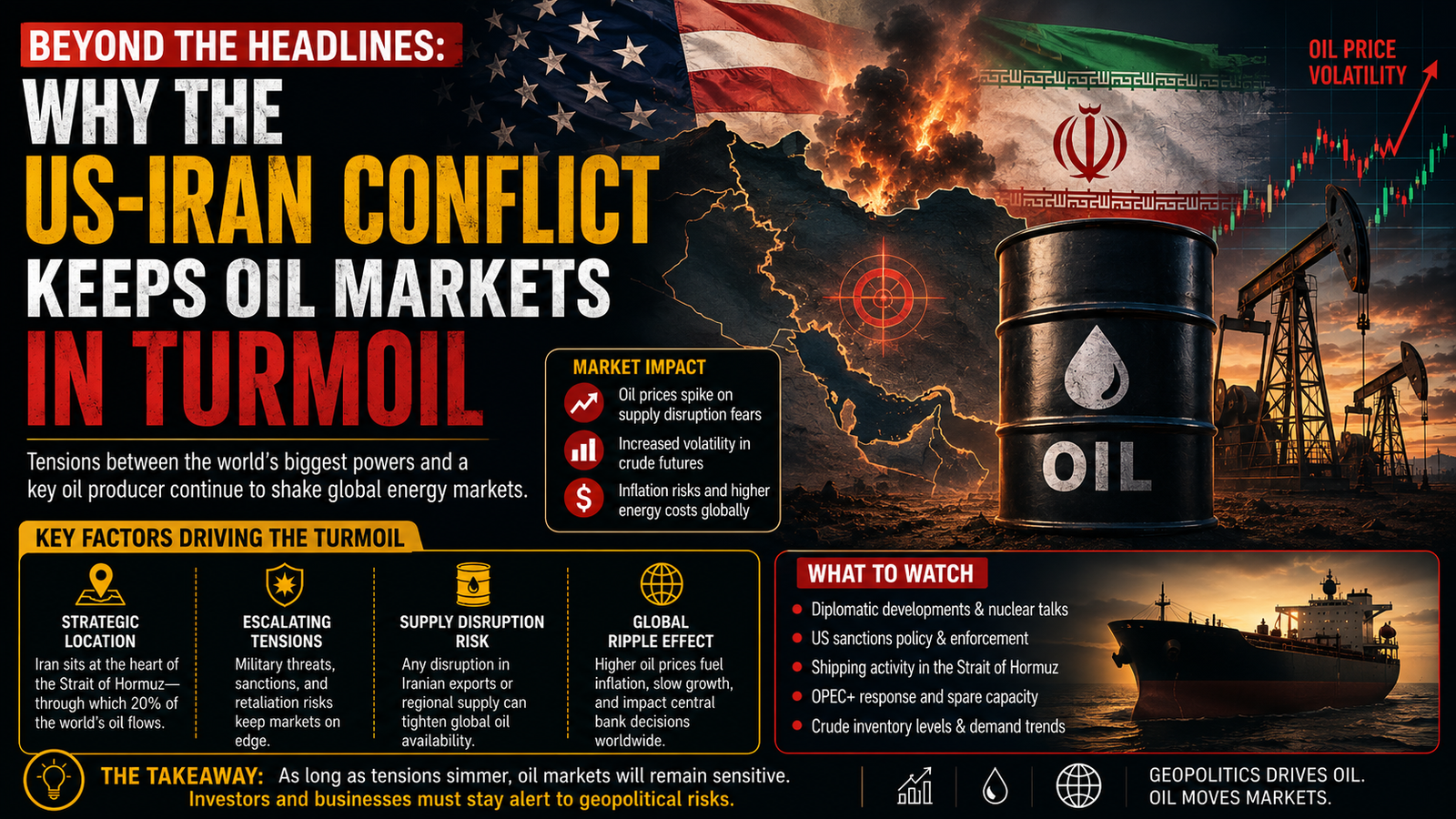
At the heart of the current crisis is the Strait of Hormuz—a narrow maritime passage connecting the Persian Gulf to the Gulf of Oman and the Arabian Sea. Roughly 20% of the world’s petroleum passes through this narrow corridor daily.
Naval maneuvers, military threats, and heightened security risks in the strait have dramatically curbed shipping vessel movement. When traffic through Hormuz stalls, global oil supply chains suffer near-instantaneous friction, forcing buyers to price in severe disruption risks.
2. Rhetoric and Policy Signals
Energy markets react not only to physical supply but also to diplomatic signaling. Inconsistent statements, shifting political rhetoric, and unpredictable sanctions policy from Washington have created a high-risk environment for market participants.
Traders who rely on policy predictability to hedge future risk are finding themselves caught between sudden geopolitical escalation on one day and tentative diplomatic hints on the next. This persistent uncertainty feeds directly into high market volatility.
3. Cascading Impact on Downstream Sectors
The disruption isn’t isolated to crude benchmarks like Brent or WTI. High or unpredictable crude prices ripple across the entire economic ecosystem:
- Aviation: Escalating jet fuel costs squeeze margins for airlines.
- Manufacturing & Paints: Petrochemical derivative costs rise sharply.
- Logistics & Freight: Transportation surcharges increase, inflating consumer goods prices globally.
Key Takeaway
While crude prices fluctuate based on real-time news, the structural threat to West Asian supply lines remains the primary driver of market anxiety. Until physical transit security in the Strait of Hormuz is permanently guaranteed and diplomatic clarity returns, oil markets will likely remain hyper-sensitive to geopolitical headlines.