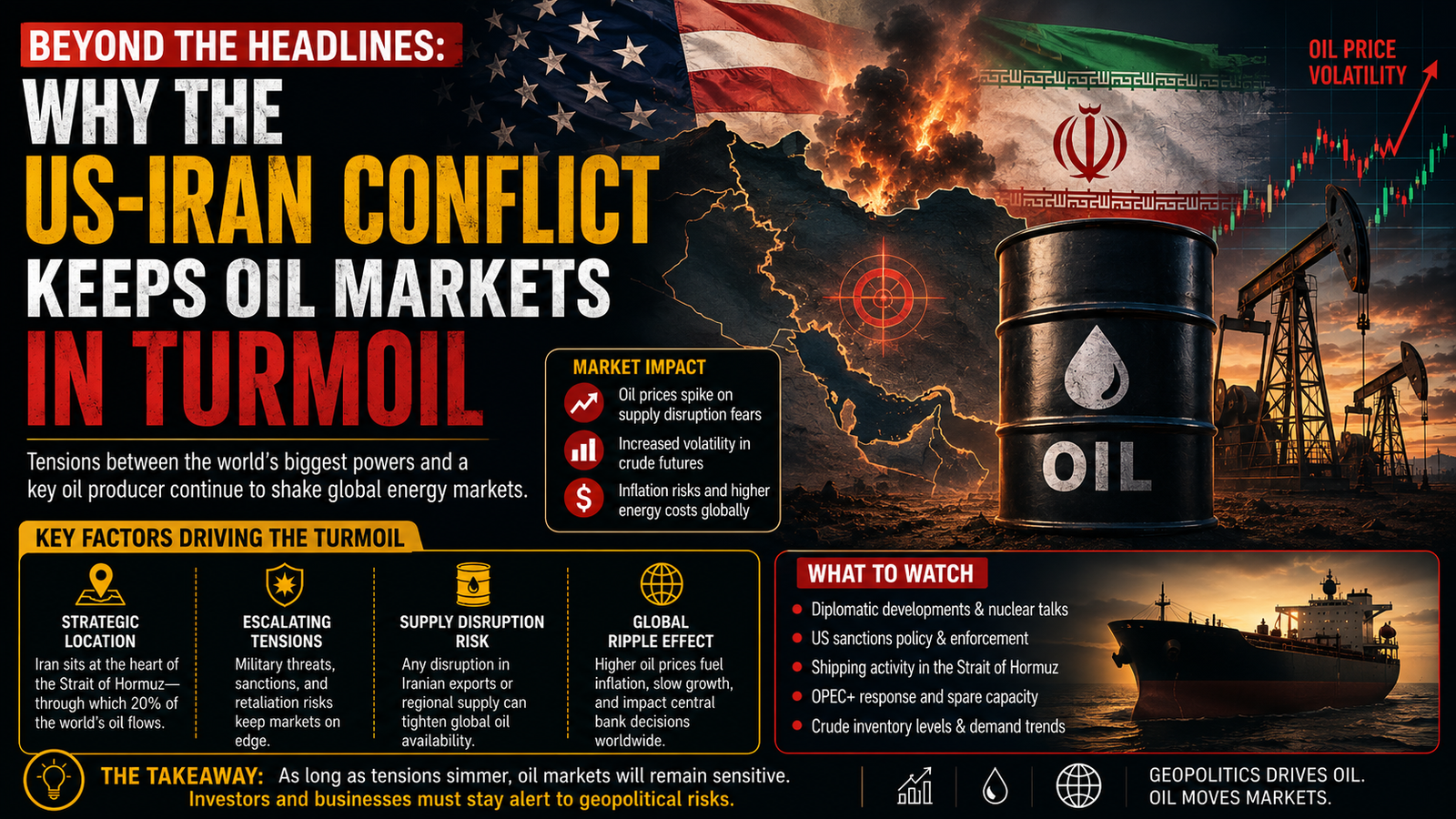




The global energy landscape is shifting once again. Following significant disruptions and infrastructure damage from regional conflicts involving Iran, the U.S. administration under President Donald Trump has proposed a massive $5 billion initiative (paired with matching regional investments to scale a broader reconstruction fund) to restore critical Middle Eastern energy grids and facilities.
While initial policy pitches favored American contractors, market analysts note that this historic rebuilding phase presents a golden window for established Indian Engineering, Procurement, and Construction (EPC) majors. With deep-rooted connections in the Gulf, India’s top infrastructure players are uniquely positioned to grab a major slice of this multi-billion-dollar pie.
Let’s look at the five Indian companies standing directly in the spotlight.
1. Larsen & Toubro (L&T)
As India’s undisputed engineering behemoth, L&T is naturally at the front of the queue. The company boasts massive exposure to the region, drawing 37% of its total order book directly from the Middle East. Even more impressively, a staggering 71% of its massive Rs 4.07 lakh crore international order book is anchored in the Gulf. If capital begins flowing into regional reconstruction, L&T is structured to capture major contracts.
2. Kalpataru Projects International
Kalpataru has strategically pivoted a substantial portion of its oil and gas (O&G) operations toward the Middle East. The firm is well-positioned to land high-value bids ranging from $100 million to $500 million. Working alongside heavyweights like Saudi Aramco, ADNOC, and key players in Qatar and Kuwait, Kalpataru stands to benefit immensely as pipelines and refineries are restored.
3. KEC International
For KEC International, West Asia is a primary growth engine. The region accounts for roughly 25% of the company’s total order book. Management estimates that operations in West Asia will heavily drive its projected revenue of Rs 9,000 crore to 10,000 crore for fiscal 2027. As energy corridors are hardened and expanded, KEC’s transmission and infrastructure capabilities will be in high demand.
4. KEI Industries
KEI Industries has built a robust footprint across the Gulf, making it the company’s single-largest export market. With the current fiscal eye on an export mix target of 17% to 18%, KEI is perfectly positioned to supply specialized cables and electrical infrastructure essential for rebuilding damaged refineries and power grids.
5. AFC’s Infrastructure
Afcons continues to shine internationally, often outperforming its domestic operations with profit margins running 200 to 300 basis points higher overseas. With the Middle East forming a solid 16% of its international revenue mix, the company has the proven execution track record required for high-stakes, rapid-turnaround reconstruction projects.
The Bigger Picture: What This Means for Investors
The $5 billion U.S.-led push is more than just a diplomatic initiative—it is a massive economic catalyst. For nations looking to diversify export routes and bypass chokepoints like the Strait of Hormuz, upgrading local infrastructure is non-negotiable.
For Indian EPC players, this translates into a robust, multi-year order pipeline that could significantly boost international revenues and margins through FY27 and beyond.
Disclaimer: This article is for informational purposes only and does not constitute financial advice. Always consult a certified financial planner before making investment decisions.