

India Looks Beyond the Gulf for LPG
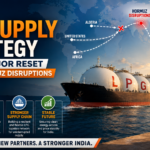
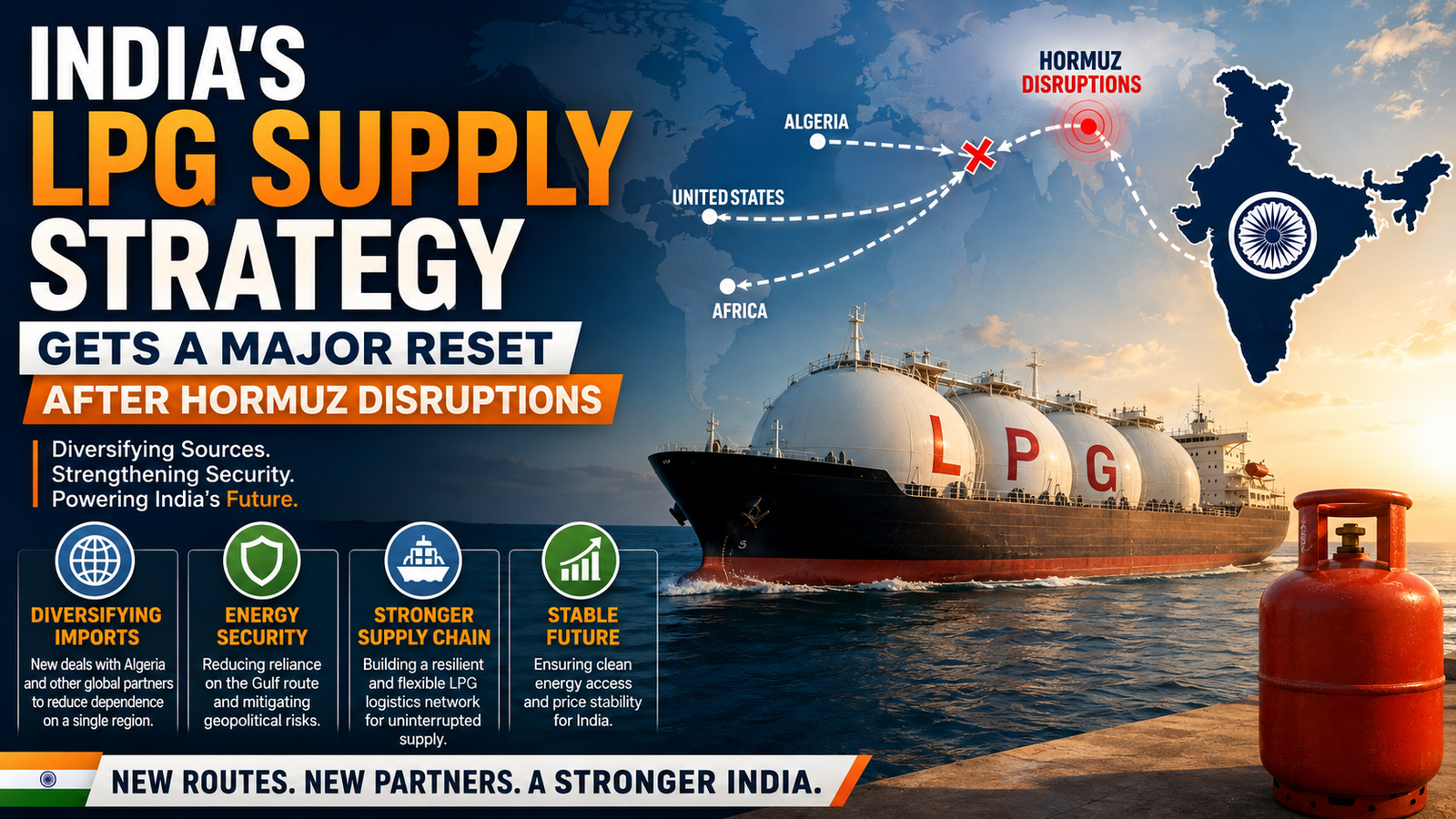
India is reshaping its liquefied petroleum gas supply strategy after disruptions around the Strait of Hormuz exposed the risks of relying heavily on Middle Eastern energy routes.
Indian Oil Corporation (IOC), the country’s largest refiner, has finalized a supply agreement with Algeria’s state-owned energy company Sonatrach for LPG deliveries beginning in 2027. The arrangement is expected to strengthen India’s supplier base and reduce its exposure to disruptions affecting Gulf-origin energy supplies.
Under the agreement, IOC is expected to receive one very large gas carrier of LPG every month, carrying approximately 45,000 to 55,000 tonnes of propane and butane. The deal is structured on a free-on-board basis, and Algerian LPG has reportedly been priced below Saudi Aramco’s contract price.
Why Algeria Matters
The importance of the deal goes beyond one additional supplier.
For years, India has depended heavily on Middle Eastern countries for imported LPG. That dependence became a strategic vulnerability when geopolitical tensions and disruptions around the Strait of Hormuz affected energy flows.
India has therefore been moving toward a more diversified model—one that combines supplies from Algeria, the United States, and other international markets.
IOC had previously maintained a supply relationship with Sonatrach before shifting more of its procurement toward Middle Eastern sources. The latest agreement effectively revives that relationship at a time when supply security has become a much bigger priority.
India Is Also Turning to the US
The Algeria agreement is only one part of the wider strategy.
India is also increasing purchases of LPG from the United States. The country is targeting up to 25% of its LPG imports from the US in 2027, while IOC, Bharat Petroleum Corporation, and Hindustan Petroleum Corporation are expected to jointly seek US supplies.
This represents a significant change in India’s energy procurement philosophy.
Instead of concentrating supplies in one major geographical region, India is increasingly building a portfolio of suppliers across North America, North Africa, and other markets.
The Bigger Energy-Security Lesson
The Strait of Hormuz is one of the world’s most important energy chokepoints. Recent disruptions demonstrated how quickly geopolitical events can affect shipping routes, commodity prices, and domestic energy availability.
For India, LPG is especially important because it is widely used as cooking fuel.
The country imported about 21.85 million tonnes of LPG in 2025, with roughly 90% of those imports coming from the Middle East, according to figures cited in reporting on India’s supply strategy. Imports represented about 66% of total LPG consumption.
That concentration creates both price risk and supply risk.
Diversifying sources can help India manage both.
What This Could Mean for India
1. Greater supply resilience
More suppliers mean that disruption in one region does not automatically translate into a nationwide supply shock.
2. More negotiating power
A broader supplier network can give Indian buyers greater flexibility when negotiating prices and contract terms.
3. Lower geopolitical concentration
Algeria and the US give India alternatives outside the traditional Gulf-heavy supply structure.
4. A changing energy map
India’s LPG strategy increasingly looks less like a regional procurement model and more like a global energy portfolio.
The Cost Question Still Matters
Diversification does not automatically mean cheaper LPG.
Shipping distances, freight rates, international LPG prices, currency movements, and contract structures will continue to influence the final cost. Even when a supplier offers competitive pricing at origin, delivered costs can change significantly depending on global logistics.
For consumers, the important question will be whether improved supply security eventually translates into more stable domestic LPG availability and pricing.
Why Investors Should Pay Attention
The development also matters from an investment perspective.
Oil marketing companies such as IOC, BPCL, and HPCL operate in an environment where international energy prices, government policy, subsidies, exchange rates, and supply disruptions can materially affect earnings.
A more diversified LPG sourcing strategy could reduce the operational impact of future supply disruptions. At the same time, investors should continue watching crude oil prices, LPG import costs, freight rates, government compensation mechanisms, and marketing margins.
The Bigger Picture
India’s Algeria LPG agreement should not be viewed as just another import contract.
It is part of a broader shift in energy strategy: from dependence to diversification, from regional concentration to global sourcing, and from short-term crisis management to long-term supply resilience.
The Hormuz disruptions have highlighted a simple reality for major energy importers: energy security is not only about how much fuel a country can buy—it is also about where that fuel comes from and how reliably it can reach consumers.
India appears to be taking that lesson seriously.
Key Takeaway
Indian Oil’s 2027 Algeria LPG agreement is another signal that India is building a more geographically diversified energy supply chain. With Algeria and the US becoming increasingly important sources, India’s LPG procurement strategy is moving toward greater resilience and lower exposure to Gulf-related disruptions.
Sources: NDTV Profit, Reuters.