







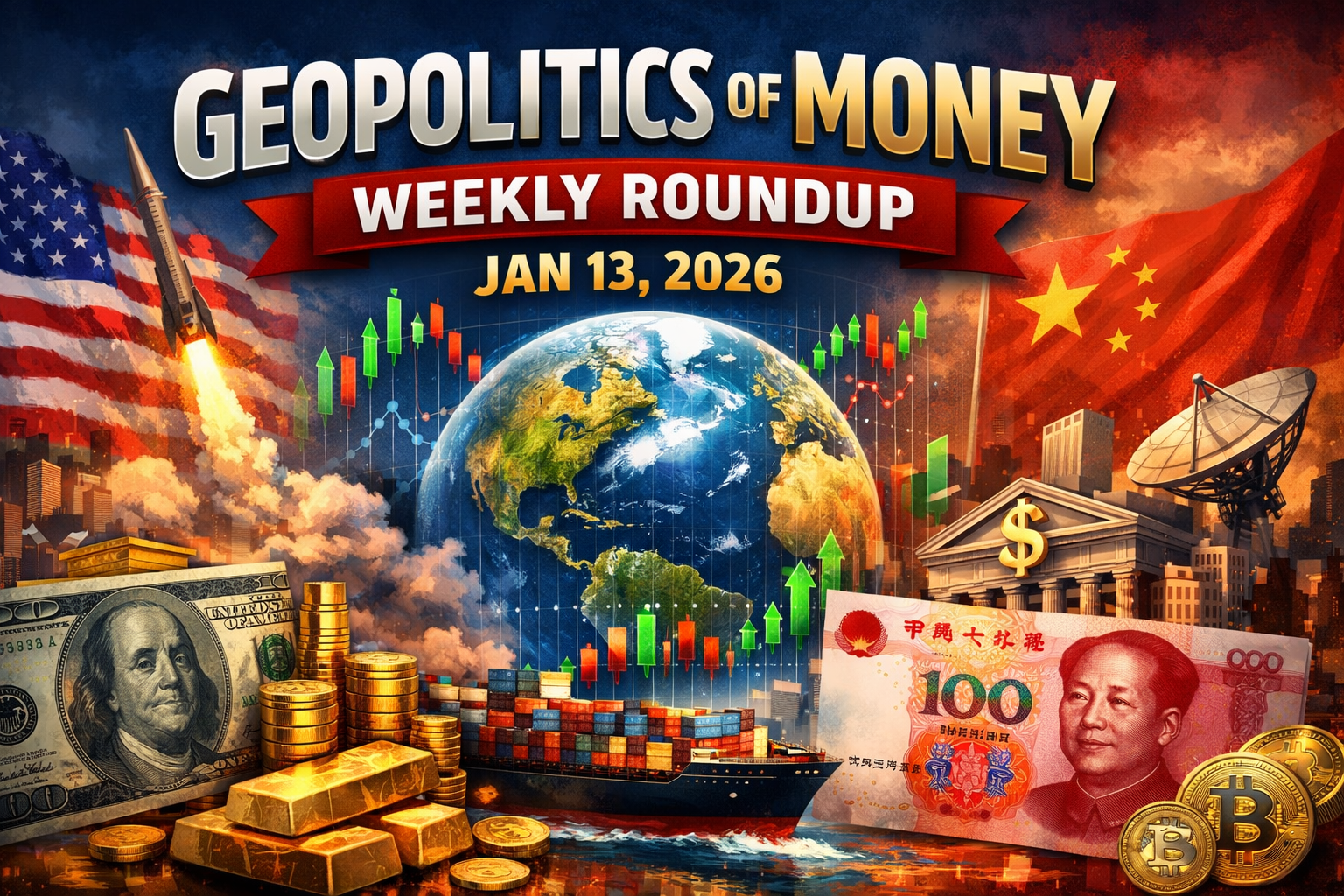
The dismantling of independent central banks and rules-based trade is happening now—and it’s shaking global markets.
Executive Takeaways
This week exposed a financial system under raw political fire. Threats to indict Fed Chair Jerome Powell rattled institutions, cratering the yen to multi-year lows and propelling gold to all-time highs. Markets clawed back some ground, but the real action unfolded elsewhere: Apple and Google’s blockbuster AI deal, French farmers paralyzing Paris over a trade pact, and the White House wielding tariffs like diplomatic missiles. For Indian businesses, this spells volatility in currency pairs (watch USD/INR), supply chains, and safe-haven assets.
The Rundown
1. Global Markets on Edge
Yen Crashes Amid Japan Election Buzz and Fed Drama
The yen hit its weakest since mid-2024, fueled by snap election talk promising fiscal splurges and a U.S. probe into Powell. It tanked against the euro and Swiss franc, even as the dollar wobbled on central bank independence fears.
Why it matters for you: Markets are betting on aggressive Japanese policy shifts, risking currency wars that could jolt bond yields and INR stability—key for importers and forex traders.
Stocks Steady, But Gold and Dollar Signal Deeper Worry
Wall Street and U.S. Treasuries stabilized post-panic, yet gold smashed records and the dollar slipped, as investors flock to political-risk hedges.
Why it matters for you: This “flight to safety” underscores eroding trust in fiat systems—prime time to eye gold ETFs or diversified portfolios amid global uncertainty.
2. Central Bank Stance
Fed’s Williams: No Rush on Cuts, Inflation First
NY Fed chief John Williams called policy “well positioned” near neutral, prioritizing 2% inflation over labor market jitters—no hasty easing ahead.
Why it matters for you: A “higher for longer” Fed clashes with White House pressure, potentially delaying global rate relief and keeping borrowing costs elevated for Indian exporters.
3. Sovereign Finance Shake-Up
Banks Slam Trump’s 10% Credit Card Cap Plan
Lenders warn the proposal would choke consumer credit, hit subprime borrowers hardest, and drag growth—without Congress’s buy-in.
Why it matters for you: Executive overreach in finance could inspire similar moves elsewhere, squeezing lending and consumer spending that fuels e-commerce like yours on Flipkart/Amazon.
4. Tech Power Consolidation
Apple Taps Google’s Gemini to Supercharge Siri
A multi-year pact integrates Gemini into Apple’s ecosystem, cementing Big Tech dominance and sidelining rivals like OpenAI.
Why it matters for you: AI infrastructure is now a duopoly—expect tighter regs and innovation bottlenecks, but huge opps for Indian devs/content creators partnering with these giants.
5. Trade Wars Heat Up
French Farmers Storm Paris to Kill EU-Mercosur Deal
Tractors blockaded the city, protesting cheap South American imports threatening local farms—after most EU states greenlit it.
Why it matters for you: EU protectionism exposes trade deal fragility, echoing risks for India in FTAs; could hike global food/commodity prices.
Trump’s 25% Tariff Bomb on Iran Traders
Any nation trading with Iran faces U.S. tariffs on all its American exports—a trade weapon amid Iran’s unrest, targeting China, India, and Turkey.
Why it matters for you: This forces tough choices on energy/oil imports, fragmenting chains—Indian clothing/e-com firms could see cost spikes and delays.
Watch This Space
The USD is the flashpoint: Fed independence under criminal threat risks forced cuts and 2026 stagflation. Add tariff coercion and tech mega-deals, and economic power now flows through corporations and regs, not just armies. Gold’s surge and yen’s plunge? Clear votes of no confidence in old anchors. Stay nimble—diversify currencies, hedge gold, and monitor supply risks.
Based on Reuters reports. What’s your take on these shifts for Indian markets?