


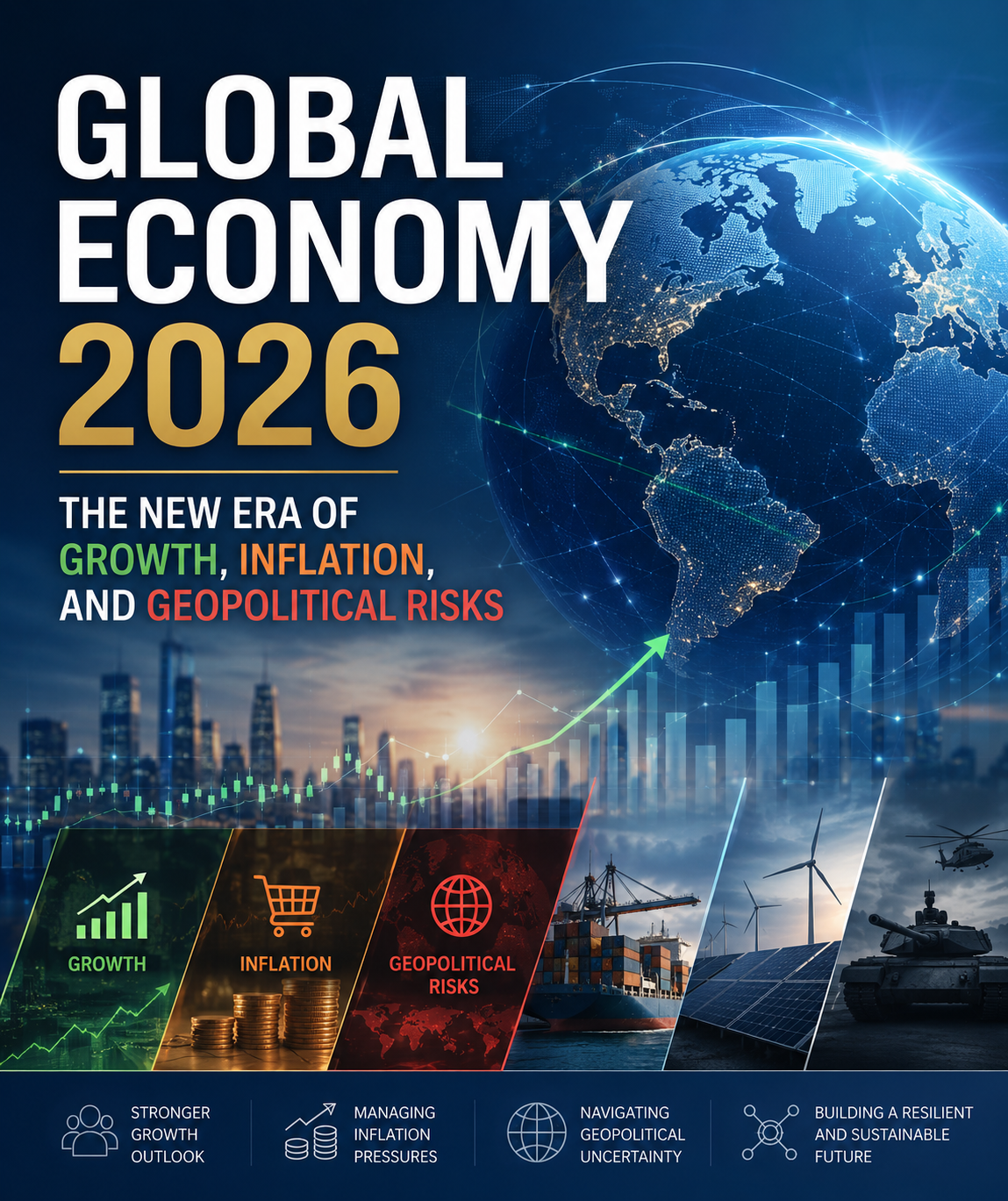
The global economy is entering a new phase where technology, geopolitics, and monetary policy are shaping the future more than ever before. While economic growth remains positive, major institutions are warning about rising risks.
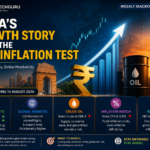
According to the IMF, global growth is expected around 3.1% in 2026, lower than historical averages due to geopolitical tensions, energy price volatility, and inflation concerns.
Key Trends Driving the Global Economy
1. Persistent Inflation
Central banks worldwide continue fighting inflation. Higher energy prices and supply chain disruptions are keeping inflation above target levels in many countries.
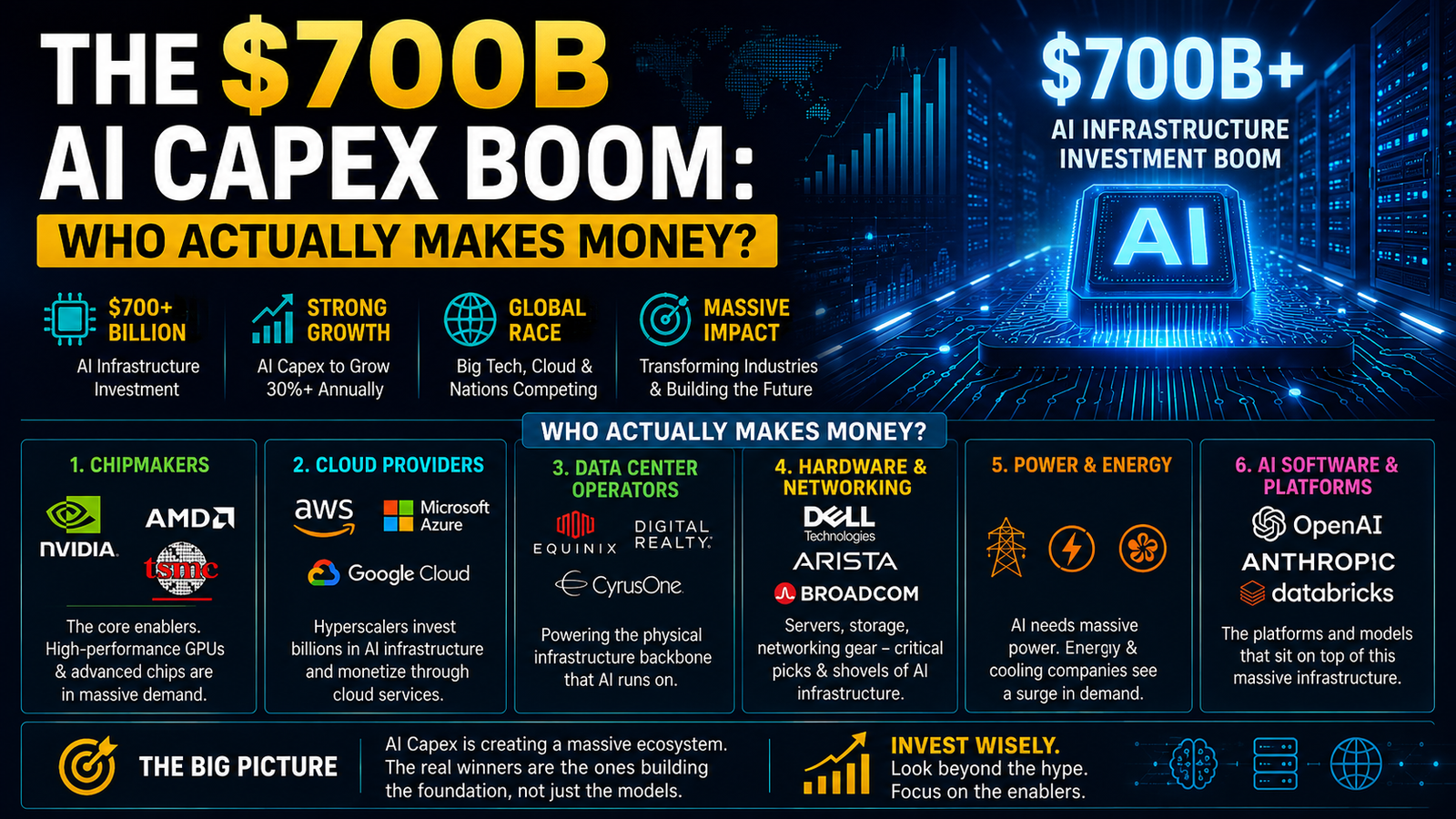
2. AI Investment Boom
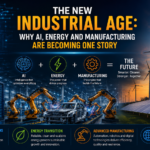
Artificial intelligence is becoming a major driver of productivity, capital spending, and business transformation. Companies investing in AI infrastructure are expected to gain significant competitive advantages.
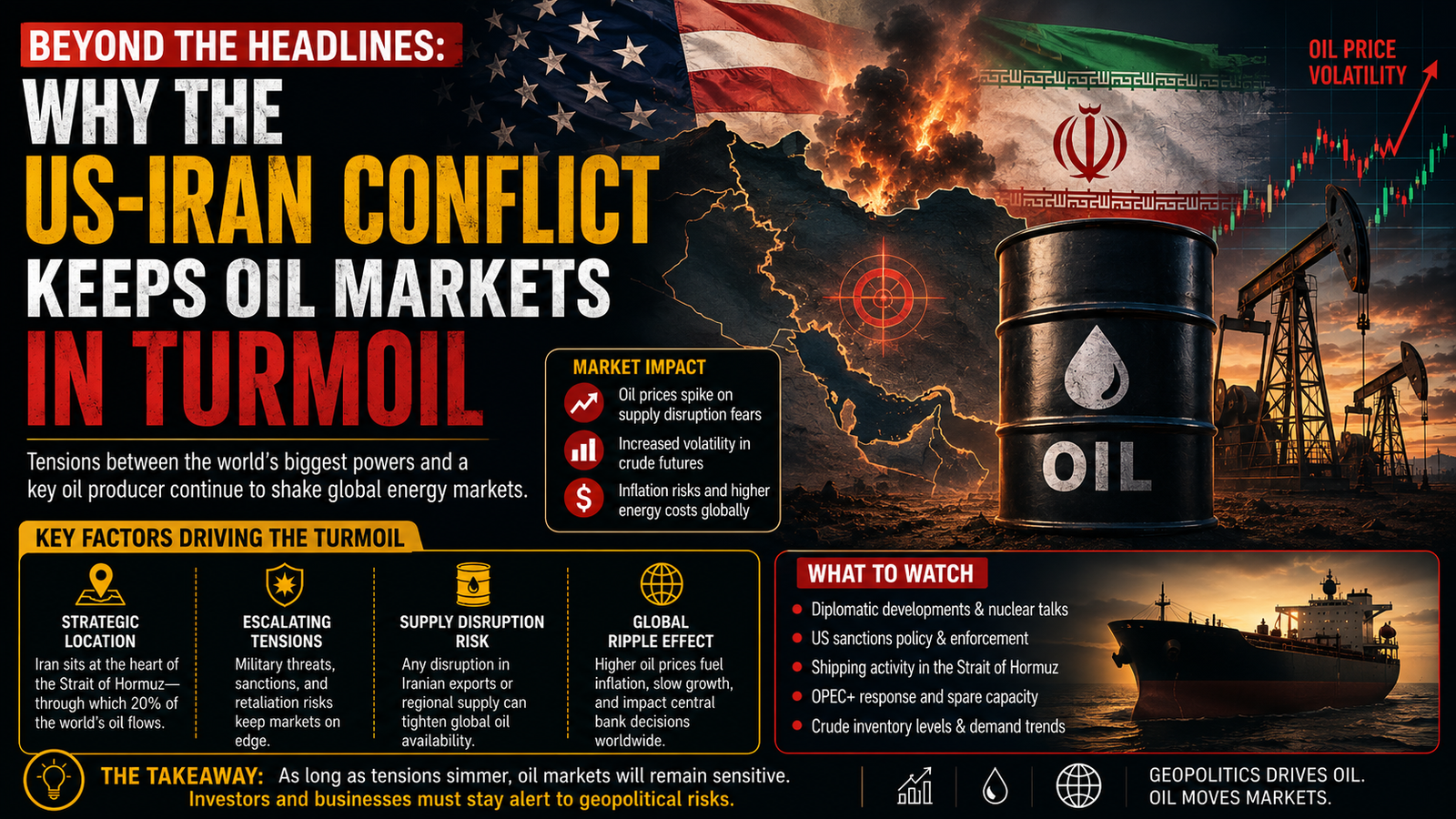
3. Energy Markets Matter Again
Oil and gas prices have become critical economic indicators. Rising energy costs directly impact inflation, consumer spending, and corporate profits.
4. Supply Chain Resilience
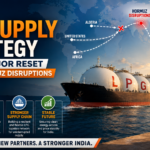
Businesses are diversifying suppliers and moving production closer to consumers to reduce geopolitical and logistics risks.
What Investors Should Watch
- Central bank interest rate decisions
- Global inflation data
- Oil and commodity prices
- AI investment trends
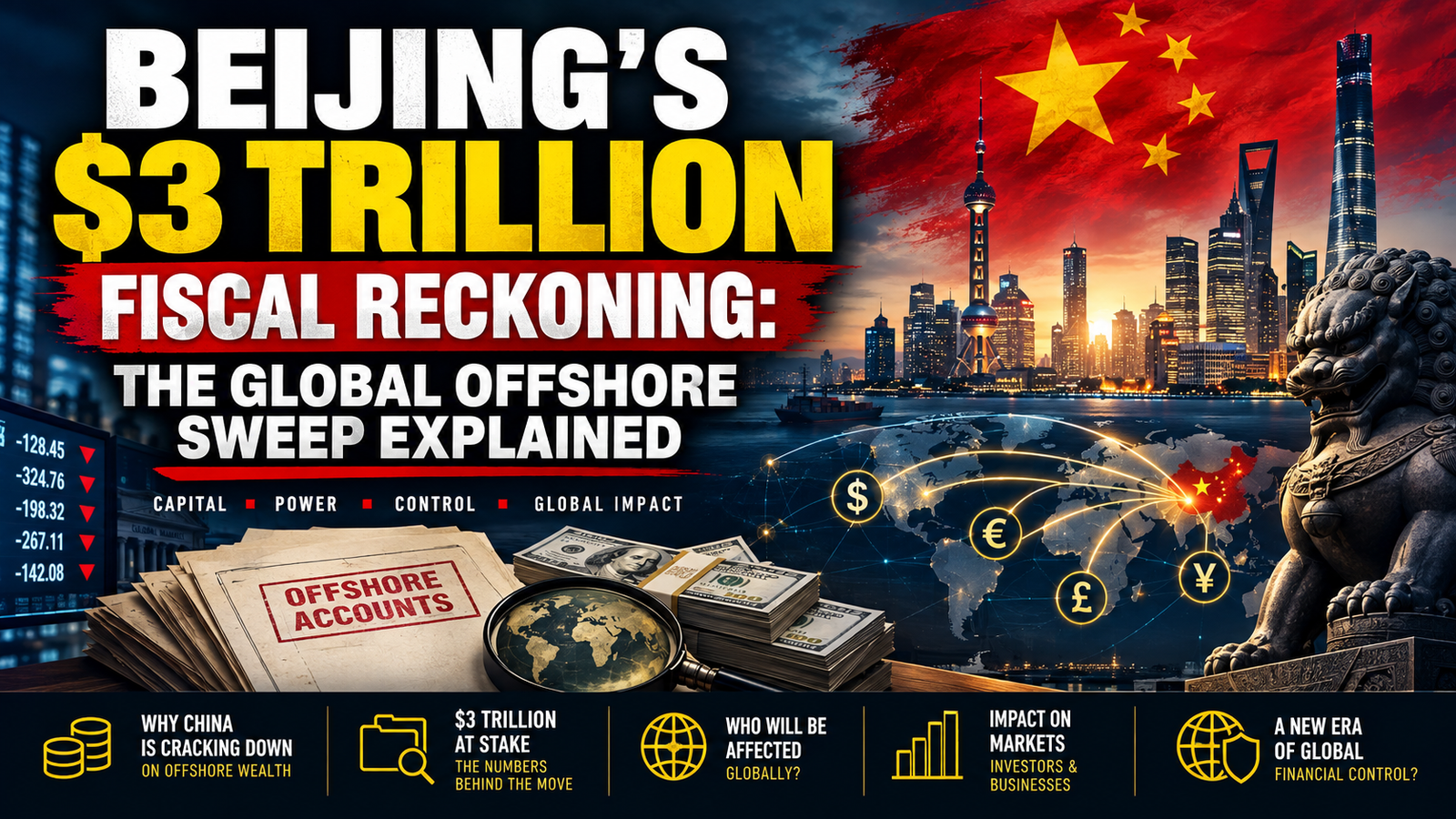
- International trade developments
The winners of the next decade will be investors and businesses that understand how these global forces interact.