





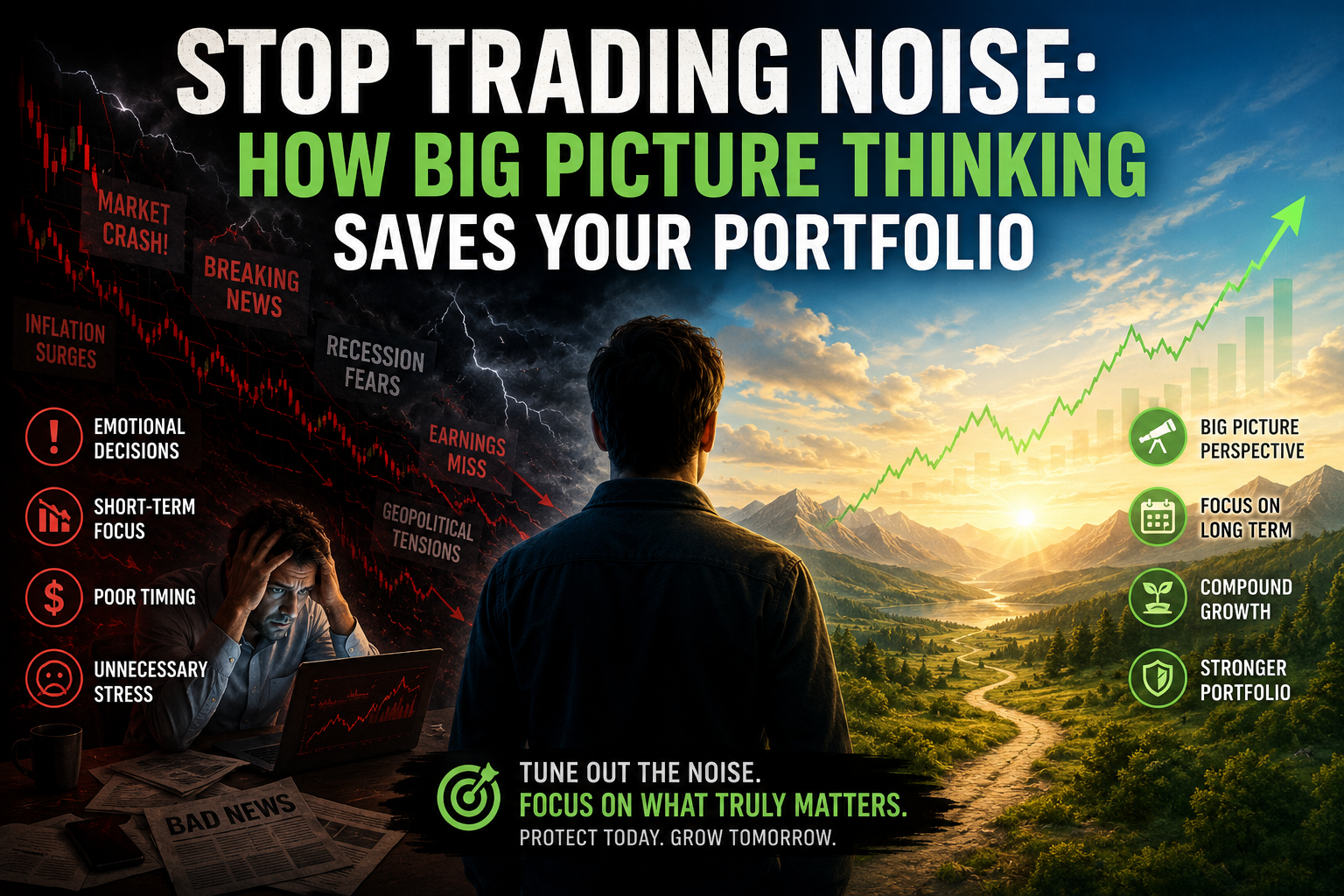
Have you ever checked your portfolio on a Tuesday afternoon, seen a sea of red, and felt an immediate knot in your stomach?
You scroll Twitter. You turn on CNBC. The headlines are screaming, “Inflation Fears!” “Looming Recession!” “Sell-Off Intensifies!” The urge to hit the ‘Sell’ button just to stop the bleeding becomes completely overwhelming.
Financial markets are a beautifully chaotic machine designed to extract money from the impatient and hand it to the patient. If you are making decisions based on daily wiggles, breathless news alerts, or the dopamine hit of a green day, you aren’t investing—you’re just reacting. And reacting is expensive.
The Illusion of Control Human beings are biologically wired to identify patterns and react swiftly to threats. This evolutionary trait was fantastic for dodging predators in the wild, but it absolutely sabotages us in modern finance. When the market drops 2% in a single afternoon, our amygdala treats it like a lion in the bushes. Panic sets in.
But what happens when you zoom out?
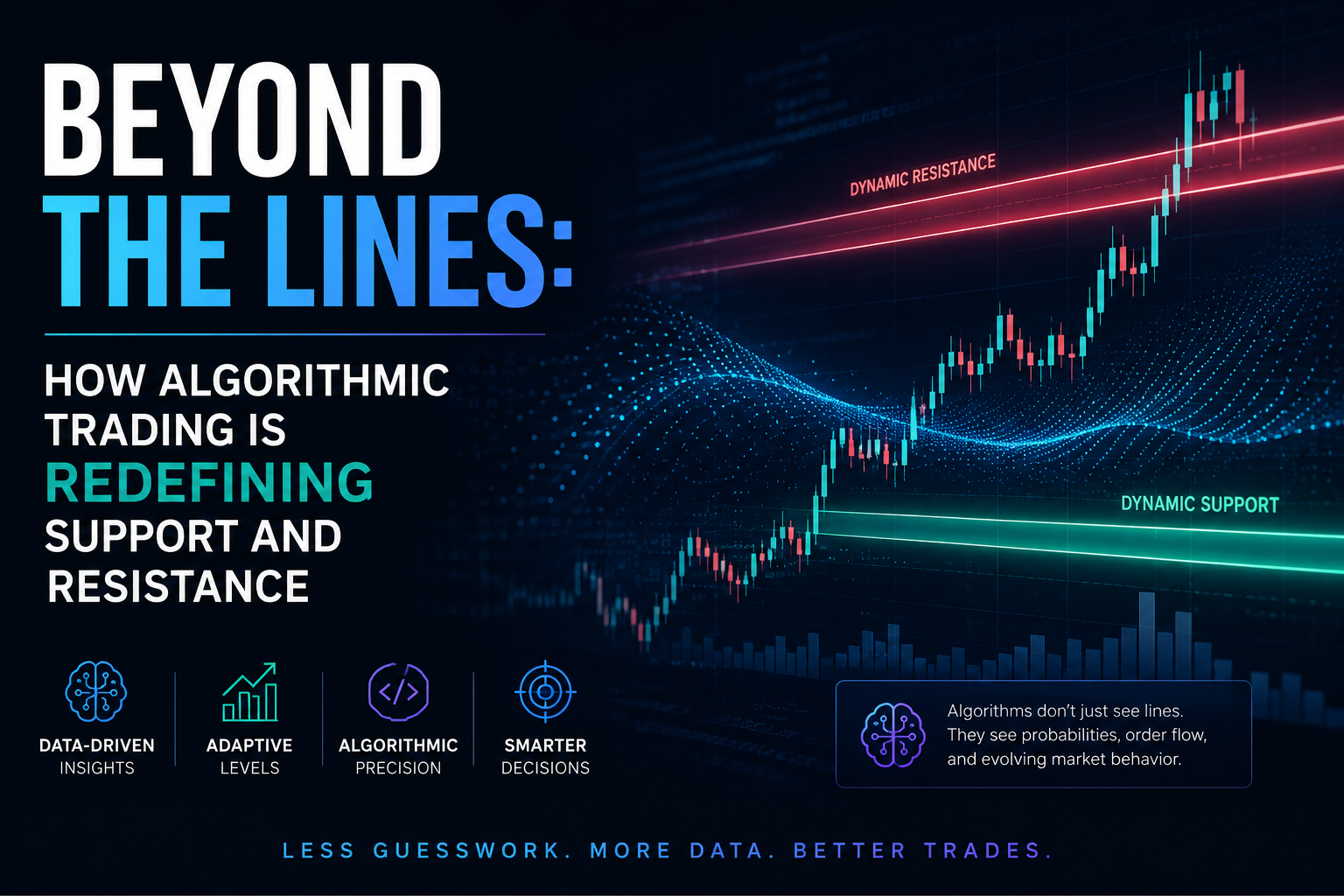
In the grand scheme of a 10, 20, or 30-year investing horizon, a 2% daily drop is indistinguishable from a rounding error. It’s just static on the radio. Look at any historical market chart: the daily line looks like the erratic heartbeat of a highly caffeinated squirrel. But the 200-day moving average—the Big Picture—shows a smooth, relentless march upward.
Reacting to the daily line destroys wealth. Riding the long-term line builds it.
How to Shift to “Big Picture” Thinking If you want to protect your portfolio (and your sanity), you need to change your lens. Here are three ways to do it today:
- Change Your Default Chart: Stop looking at 1-day or 1-week charts on your brokerage app. The default view is designed to trigger your emotions. Switch it to 5 years or max. Context completely changes your emotional response to a dip.
- Focus on Fundamentals, Not Feelings: Why did you buy the asset in the first place? If you bought an index fund because you believe in the long-term growth of the global economy, did today’s inflation report change that fundamental truth? If the thesis hasn’t changed, the daily price is irrelevant.
- Embrace Volatility as a Toll: Volatility isn’t a penalty; it’s the toll you pay for outperforming safe, low-yield assets like cash under your mattress. If you want the historic 8-10% annualized return of the stock market, you have to survive the occasional 20% drawdown. That is the price of admission.
The Bottom Line Your portfolio doesn’t need you to babysit it every hour of the day. In fact, the more you touch it, the worse it usually performs. It needs time, compounding, and your ironclad discipline to leave it alone.
The next time the market drops and the pundits start screaming, do yourself a massive favor: close the app, go for a walk, and remember the big picture.
THE LIQUIDITY CYCLE: How Global Money Flows Create Booms, Busts, and Investment Opportunities: An Institutional-Grade Guide to Profiting from Global Liquidity Cycles