

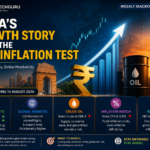
May 2026 Global Macro Briefing | Edition #1
Let me be direct with you.
The global economy did not collapse in April 2026. Growth continued. Jobs were created. Stock markets had their best month in years—the S&P 500 climbed over 10%, and the Nasdaq surged 15%.
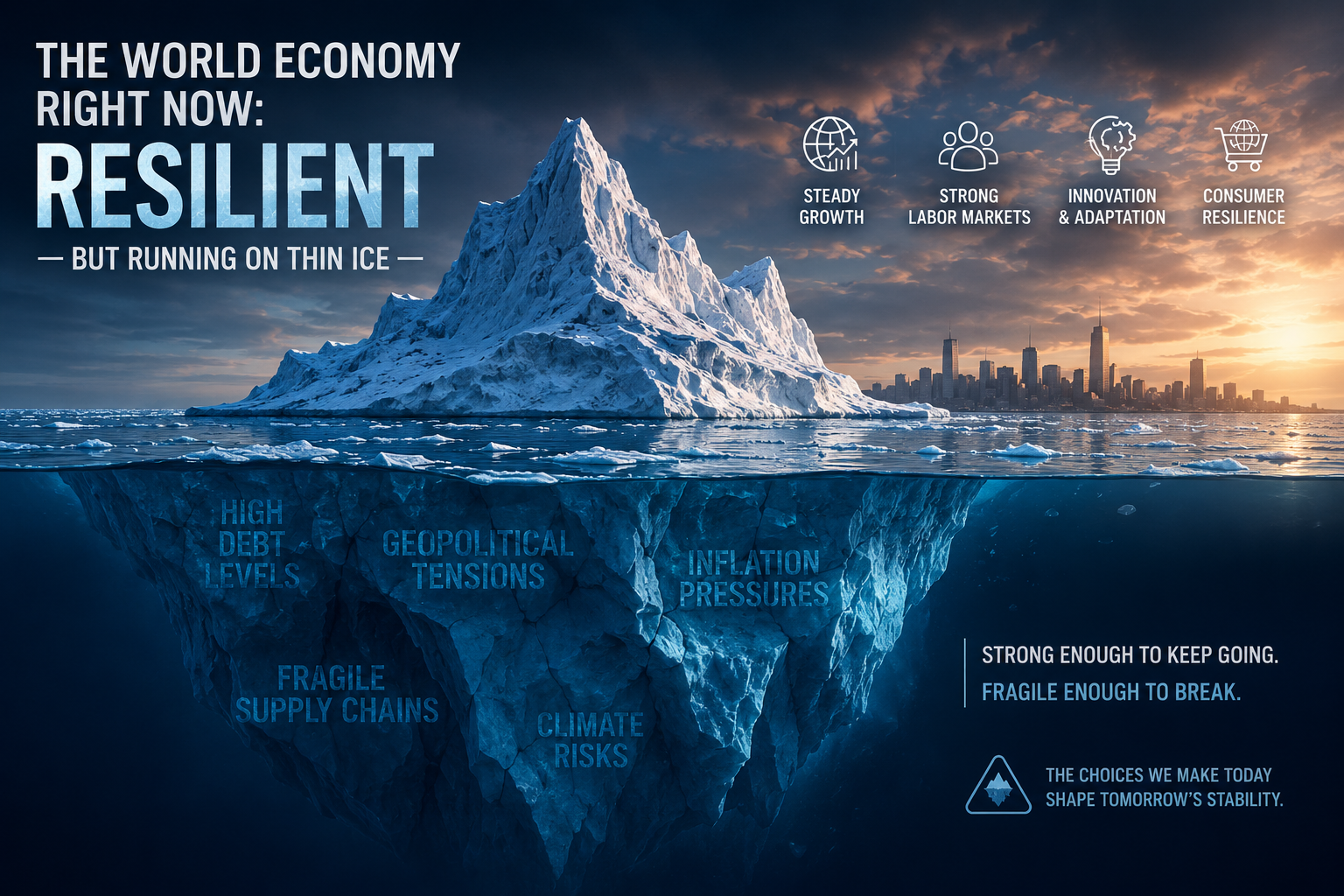
And yet—if you look one layer beneath the surface—the picture is a lot more fragile than the headlines suggest.
Here is what is actually happening and what it means for you.
⚡ The One Variable That Controls Everything Right Now
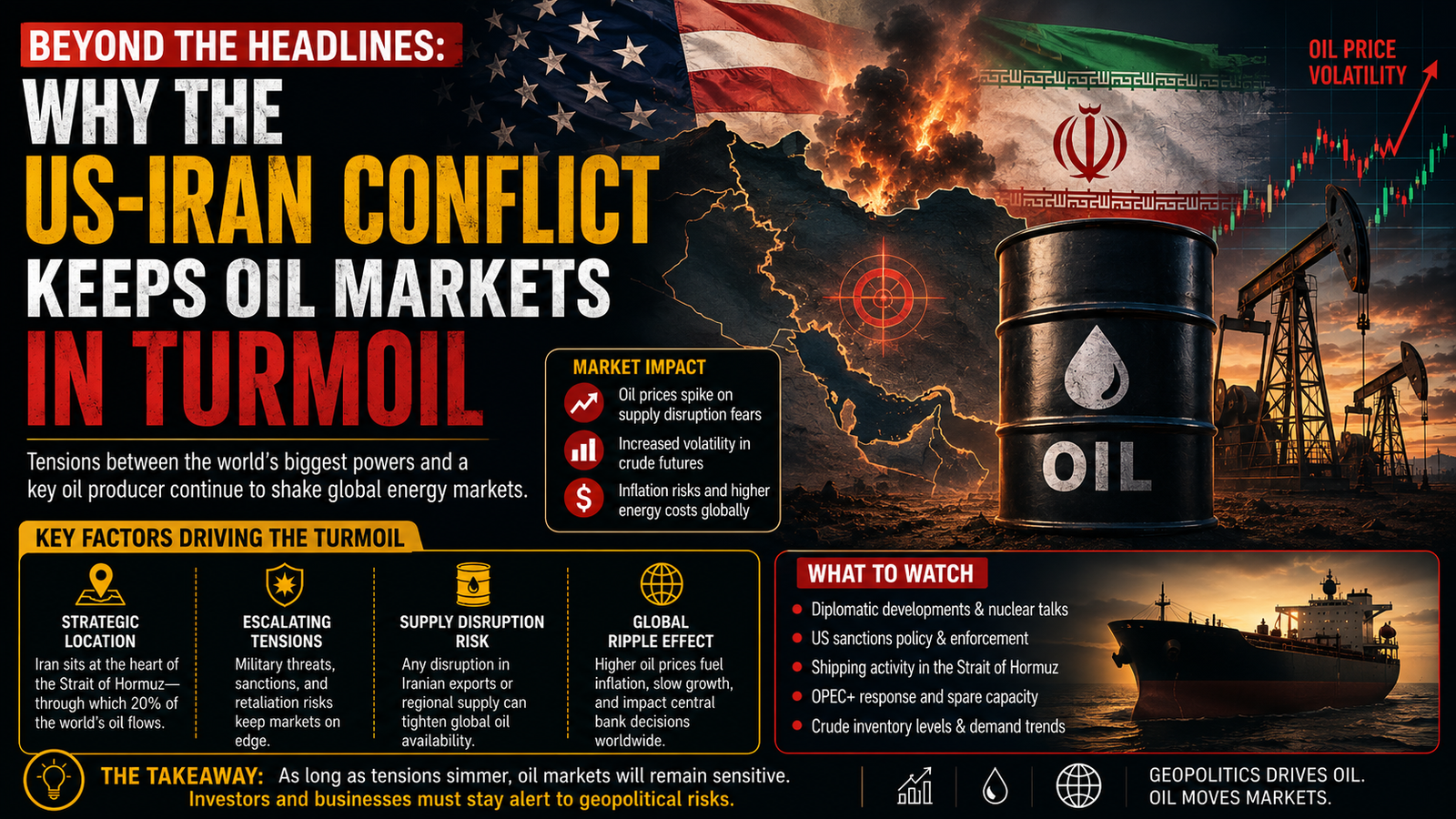
Oil.
When U.S.-Iran tensions escalated in April and disruption fears gripped the Strait of Hormuz, Brent crude briefly hit $120 per barrel. By month-end it had eased to around $108 — still elevated, still feeding into prices everywhere.
This matters because inflation was supposed to be in the rearview mirror.
It is not.
In the United States, the Fed’s preferred inflation gauge came in at 3.5% headline / 3.2% core on a year-over-year basis. Quarterly core inflation accelerated to 4.3%. Consumer inflation expectations hit 4.8% in one survey.
Energy is the master switch for this entire cycle. If oil stays range-bound, markets can breathe. If geopolitical risk pushes crude higher again, the stagflation narrative returns fast.
🇺🇸 United States: Strongest in the Room — But Inflation Won’t Let the Fed Relax
America’s economy is genuinely strong right now.
- 178,000 nonfarm jobs added in April (nearly triple the consensus estimate)
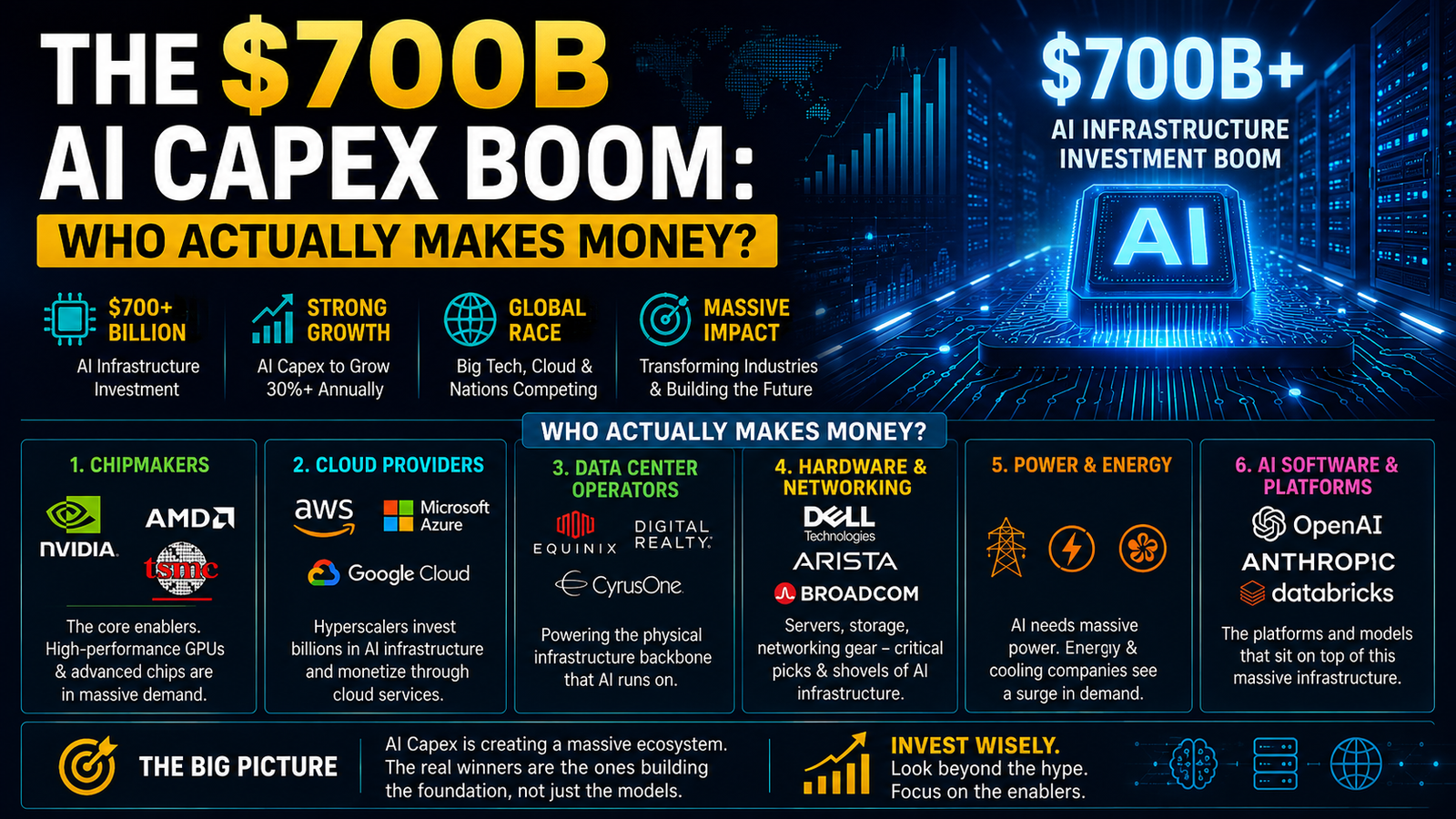
- Business investment in technology and AI infrastructure accelerating
- Over 80% of S&P 500 companies beat earnings estimates
- Semiconductor stocks up nearly 40% for the month
But here is the tension: the economy is strong enough to keep inflation elevated, and inflation is elevated enough to keep the Fed locked in.
The Federal Reserve held its benchmark rate at 3.50%–3.75%, and the decision came with the highest number of internal dissents since 1992.
That is not a central bank with a clear consensus. That is a committee watching the same data and reaching different conclusions.
What to watch in May: CPI on May 12 and PCE on May 28. If these prints remain firm, forget about rate cuts this summer. If they cool, the June Fed meeting becomes genuinely interesting.
🇪🇺 Europe: Growth Stalled. Inflation Returned. At the same time.
This is the combination central banks fear most.
Eurozone Q1 GDP: +0.1% quarter-on-quarter. That is not a recession, but it is barely a pulse.
Eurozone inflation bounced back to 3.0% from 2.6% the prior month, driven by energy prices jumping over 10% annually.
The composite PMI fell below 50 — the line between expansion and contraction.
Germany weakened. France softened. The ECB has no good options: cut rates and risk stoking inflation or hold rates and risk choking an already feeble recovery.
The one bright spot: manufacturing, especially autos and electrification-linked industrial activity. But manufacturing cannot carry a services-dominated economy.
May signal to watch: Flash composite PMI on May 21. A reading below 50 would be a warning sign markets will not ignore.
🇬🇧 United Kingdom: Surprisingly Resilient — But Narrow
February GDP came in at +0.5% month-on-month. That shocked expectations of just +0.1%.
The UK avoided the stagnation story—at least for now.
But headline CPI climbed to 3.3%, producer input prices surged over 5% annually, and consumer confidence deteriorated. The Bank of England held rates at 3.75%, with one member voting to hike.
The UK is navigating a narrow lane: strong enough to avoid recession language, fragile enough that one energy spike or persistent inflation print could shift the conversation quickly.
Q1 GDP (May 14) and CPI (May 20) are the pivotal releases.
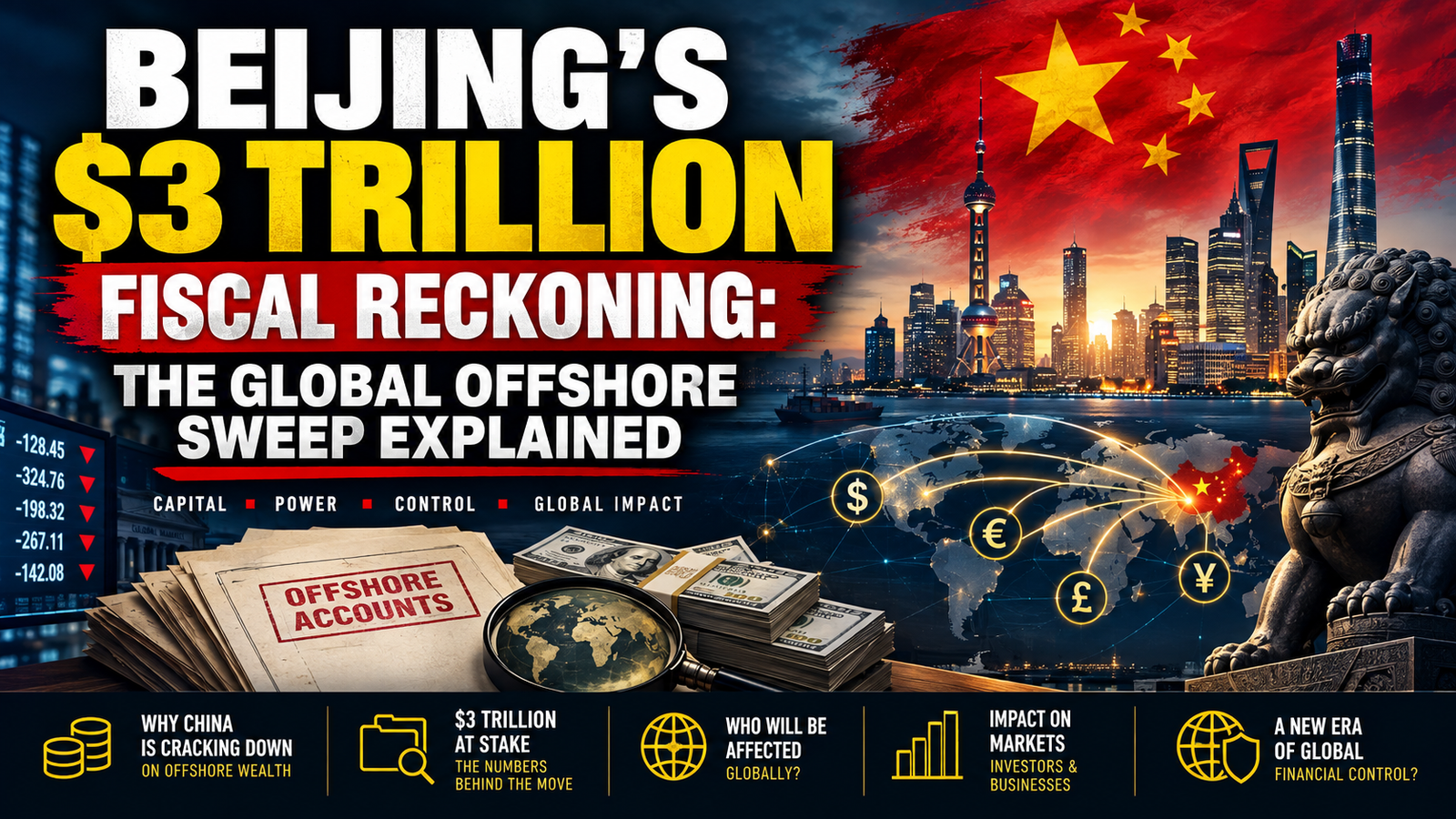
🇨🇳 China: Factory Strong. The kitchen table is weak.
China’s headline number looked good: Q1 GDP grew 5.0% year-on-year, ahead of forecasts.
Manufacturing PMI returned to expansion. Electric vehicle exports surged. High-tech industrial output accelerated.
But retail sales grew just 1.7%. Consumer prices fell on a monthly basis. And the property sector — still the largest store of household wealth in China — saw home prices drop over 3% annually, the sharpest decline in ten months.
The recovery is real. It is just lopsided.
Until Chinese households start spending with more confidence and the property market stabilizes, describing this as a “full” recovery overstates what the data actually supports.
Key data block: May 18 — retail sales, industrial output, property prices. This will determine whether May strengthens or undermines the stabilization narrative.
🇯🇵 Japan: Manufacturing Soars. Households Still Struggling.
Japan’s manufacturing PMI hit 55.1 — a sharp acceleration that reflects genuine factory momentum. Export growth ran near 12% year-on-year. Wages grew over 3%.
On the household side: confidence fell to 32.2, housing starts collapsed nearly 30% annually, and services activity softened.
The Bank of Japan held it at 0.75% with a 6-3 vote—a narrower margin than before. The internal debate about the next hike is clearly intensifying.
The yen hovering near politically sensitive levels against the dollar adds pressure on both inflation and diplomatic fronts.
Preliminary Q1 GDP (May 19) is the pivotal read. If private consumption contributed meaningfully, the June BoJ meeting would become a live event.
📊 The Big Picture for May 2026
| Region | Growth Signal | Inflation Signal | Policy Trajectory |
|---|---|---|---|
| 🇺🇸 USA | Solid | Sticky / Elevated | Hold a hawkish bias |
| 🇪🇺 Eurozone | Very Weak | Rebounding | Trapped—no easy move |
| 🇬🇧 UK | Modest Positive | Elevated | Hold—data-dependent |
| 🇨🇳 China | Manufacturing-Led | Weak (consumer) | Targeted easing |
| 🇯🇵 Japan | Factory-Led | Firm | Gradual normalization |
🔑 The Three Things That Matter Most This Month
1. Oil stays calm or oil spikes. Everything else is secondary to this. A fresh disruption near the Strait of Hormuz resets the inflation clock for every central bank simultaneously.
2. US CPI and PCE. These two releases (May 12 and May 28) will determine whether the Federal Reserve’s June meeting is ceremonial or consequential.
3. China’s May 18 data block. If retail sales improve and property data stops deteriorating, the China stabilization story gains credibility. If not, global commodity demand softness becomes a bigger concern.
💡 What This Means for Investors and Business Leaders
The narrative right now is not “growth versus recession.” It is “Can growth continue while inflation stays elevated?”
History suggests this combination—sustained growth plus sticky inflation plus cautious central banks—tends to favor the following:
✅ Technology, AI infrastructure, and productivity-linked sectors ✅ Energy-adjacent plays (selectively) ✅ Banks benefiting from elevated rate environments ✅ Industrial and manufacturing exporters in Japan and Asia
And tends to pressure:
⚠️ Rate-sensitive real estate and construction ⚠ Consumer discretionary (especially in Europe) ⚠️ Long-duration government bonds ⚠️ Luxury and services-dependent European equities
The window for a clean, soft landing remains open—but it is narrower today than it was three months ago.
🎯 Bottom Line
April showed the world economy can hold up under pressure.
May will show whether that holding up was a new floor—or a temporary reprieve.
The data calendar is packed. The geopolitical backdrop remains alive. And central banks are navigating with less room than they would like.
Watch the oil price. Watch the inflation prints. Watch the PMIs.
Everything else follows from those three.
Found this useful? Share it with your network. Subscribe for weekly macro briefings every Thursday.
📌 What is the risk you are most focused on heading into May? Drop it in the comments—I read every one.
#GlobalEconomy #MacroOutlook #Inflation #FederalReserve #Investing #FinancialMarkets #EconomicAnalysis #Markets2026 #Leadership #Finance
This newsletter is for informational and educational purposes only. Nothing contained here constitutes financial or investment advice. All data referenced reflects publicly available information as of early May 2026.